Star Miraer

この地上のすべての魂へ—あなたは誰ですか?

  • Is the Earth Really Flat? A Consideration of Flat Earth

    Prologue: Why Flat Earth—Now?

    Everyone “knows” the Earth is round. We learned it in school. We’ve seen photos taken from space. Even from a plane, the horizon looks curved.

    And yet, wander the internet long enough and you’ll meet fervent claims that no, the Earth is actually flat.

    What begins as a joke turns out to have global followings: dedicated Flat Earthers broadcasting on YouTube and social media—“NASA lies!” “The Earth is sealed under a dome!”—with evangelical zeal.

    So what happens if we deliberately read this outlandish thesis through Plum Blossom Divination (梅花心易)—a form of I Ching that reads image (象), number/phase (数), and timing (時) at the moment a question is asked?

    This piece is a playful inquiry into the shape of our world—at the edge of earnest and tongue-in-cheek, science and divination, conspiracy and comedy.


    Chapter 1: Is the Earth Really Round? Science vs. Conspiracy

    Let’s start with the obvious.

    Evidence for a spherical Earth spans from Eratosthenes’ ancient shadow-angle experiment to modern satellite imagery. Despite that, Flat Earth persists.

    Why? Because the timeless contest is “scientific evidence” vs. “human suspicion.” “NASA fakes the images!” translates psychologically as “large institutions can’t be trusted.”

    At this point, I cast a hexagram using Plum Blossom Divination.

    • Hexagram: Kun, Earth (坤為地)

    Earth spreads wide and can appear flat, but its essence is receptivity and containment. From the I Ching’s vantage, the Earth may look flat to us, yet in truth it encompasses—a spherical presence that holds everything.


    Chapter 2: Choice Episodes from the Flat-Earth World

    Flat-Earth arguments flourish in the fertile soil of the internet—often inventive and, at times, comic. A few favorites:

    Case 1: “NASA lies about everything.”
    “Astronauts hang on wires! Space photos are CGI!”—we’re in The Matrix. Casting the hexagram yields Li, Fire (離為火): Fire illuminates, but also throws phantoms on the wall. The message: regardless of whether images are faked, many are more drawn to the flame of intrigue than to the light of truth.

    Case 2: “Planes fly straight—so the Earth can’t be round.”
    “If the Earth were a sphere, pilots would have to keep nosing down or they’d shoot into space!” I nearly spat out my coffee. The hexagram is Zhen, Thunder (震為雷): Thunder shakes the heavens—and signals awakening from ignorance. The claim is wrong, yet it jolts people into thinking, which is not without value.

    Case 3: “Antarctica is a wall.”
    “A ring of ice encircles the world!” Like the edge of an old RPG map. The hexagram is Gen, Mountain (艮為山): the symbol of halting and boundary. As symbol, the ice wall rings true—humans crave edges and enclosure.

    Plum Blossom Summary
    Scientifically, the claims are untenable. Divinatory reading reveals them as projections of human psychology. Before “flat or round,” what many seek is a model of the world that feels safe.


    Chapter 3: Asking the I Ching—Round or Flat?

    Here is the core question, long debated across science, religion, and conspiracy. What form emerges when Plum Blossom Divination is applied?

    Query: “Is the Earth truly spherical or flat?”
    Timing: A quiet autumn night.
    Primary Hexagram: Kun, Earth (坤為地)
    Relating Hexagram: Qian, Heaven (乾為天)

    Reading
    Kun is Earth—receptive. Qian is Heaven—complete and round. When the two transform, Heaven and Earth join, suggesting roundness. The figure leans strongly toward a sphere.

    Yet Kun also carries the sense of flatness. Hence Flat Earth’s tenacity:
    “Form: sphere; felt experience: flat.” Lived perception is planar; the cosmic view is spherical. Both can be “true” at different scales.

    Black-and-White Verdict

    • White (closest to truth): The Earth is spherical—Qian indicates fullness and completion.
    • Black (error/illusion): A completely flat Earth—an overreading of Kun’s “levelness.”

    Why the pull toward flatness?
    The hexagrams Gen (Mountain) and Kun (Earth) recur: the psyche longs for boundaries and stability. A world with edges feels more secure than an infinite sphere. Thus flatness keeps returning.

    Conclusion
    The Earth is “Qian = round,” physically a sphere. But daily perception tends toward “Kun = level,” seeing horizons. Flat Earth is a psychological projection, not a physical truth.


    Chapter 4: Flat Earth & Conspiracy—Why Do People Believe?

    Even if divination (and science) point to a sphere, Flat-Earth belief hasn’t vanished—in fact, it has exploded online. Why the enduring appeal?

    1) The psychology of wanting to believe
    Hexagrams: Bi (Adornment) → Kan (Abyss/Anxiety)(賁→坎)

    • Bi: craving explanations that look neat and simple.
    • Kan: anxiety and danger; the mind seeks a counter-narrative to soothe fear.
      Flat Earth is a decorated story and a mask for anxiety.

    2) A breeding ground for conspiracies
    “NASA lies.” “Global elites deceive humanity.” In the Kan field, the psyche posits an enemy to regain control. Conspiracy belief can function as an anxiety-reducing device.

    3) Cosmic judgment
    Repeated appearances of Qian = round alongside Kun = flat point to a double structure:

    • Physical truth: sphere (Qian)
    • Psychological fiction: plane (Kun)
      Unless we grasp this duality, we will fight the same “round vs. flat” war forever.

    Summary
    Flat Earth is wrong physically yet arises from human anxiety and the need for comforting narratives. As Bi warns, it is a veil of ornament over truth—though it can make people feel safer.


    Chapter 5: If the Earth Were Flat—A Parallel Probe by Divination

    The hexagrams flagged Flat Earth as Bi (ornamental fiction)—but let’s keep a sense of play. What would the I Ching say if the world were flat?

    1) The future of a flat world
    Exploratory Hexagram: Kun (Level Earth) changing to Lü/Travel(坤之旅)

    • Kun—broad, level land; yes, “flat.”
    • Lü/Travel—rootless wandering. On a flat plane, journeys dead-end. The I Ching’s answer: “On a plane, paths close; travel fails to become.”

    2) Sun and Moon
    Map Qian (Heaven) and Li (Fire) to sky and luminaries. In a flat world, the sun would be a mere spotlight sweeping a plate. But Qian denotes circulation—the round motions of the heavens—incompatible with a flat model.

    3) The edge of the sea
    Flat-Earth maps posit an Antarctic wall. Casting returns Gen (Mountain)—halt, boundary—followed by Kan (danger). “Those who seek the end fall into peril.”

    4) Verdict
    As imagery, Kun can support a flat idea. But the phenomena—voyage, solar tracks, oceanic flows—belong to Qian, the cycle. Flat Earth makes for a fun parallel fantasy, but fails as physics.

    5) A word to the reader
    “If Earth were flat, how far would you travel?” The hexagram smiles:
    Kun spreads level, but Qian always traces a circle. The heart seeks flat comfort; truth leads it back to the round.”


    Chapter 6: Reinforcing Sphericity with the I Ching—The Order Signaled by the Sphere

    After our romp, the oracle returns to business: the sphere matches cosmic order.

    1) What hexagrams mirror the sphere?
    Qian (Heaven) and Dui (Lake/Joy) together:

    • Qian—the round dance of sun, moon, and the cosmos.
    • Dui—soft roundness, harmony, circularity.
      Together: “The universe is harmonious because it is circular.”

    2) The hexagrams of circulation
    Tai (Peace/Confluence) and Jiji (Already Fording/Completion):

    • Tai—Heaven and Earth interpenetrate; order emerges.
    • Jiji—a balanced, self-sustaining system.
      Exactly what a spherical Earth provides: day/night and seasons cycle.

    3) Life depends on the sphere
    If Earth were flat, gravity and atmosphere wouldn’t equilibrate.

    • Kan (Water) + Li (Fire) form a pair: circulation of sea/air (Kan) under solar provision (Li). Balance requires curvature. Flatten the world and Kan slumps, Li skews.

    4) The “Way of the Circle”
    Exploratory Hexagram: Qian (Heaven) changing to Tai (Peace)(乾之泰)
    Order (Qian) leading to harmony (Tai). Sphericity isn’t just “proven”; it is enshrined in the oracle’s logic.

    5) Message to readers
    A sphere is a circle; a circle is harmony. Humans see level ground, but Heaven guides the form to a globe. Fantasy dwells in the plane; truth rests in the round.


    Chapter 7: Why Flat Earth Keeps Its Fans—The Oracle’s Map of the Mind

    Science refutes Flat Earth. Yet devotion persists worldwide. The hexagrams sketch the psychology:

    1) The urge to “bet against the crowd”
    Hexagram: Pi (Blockage) → Ge (Revolution)(否之革)

    • Pi—stifled by orthodoxy.
    • Ge—the hunger to overturn.
      The more “settled” a truth feels, the more some will hunt for its hidden reverse. Flat Earth scratches that itch.

    2) The sweetness of conspiracy
    Hexagram: Bi (Adornment) → Kan (Pitfall)(賁之坎)
    Dazzling words and gorgeous stories sit atop traps. “NASA lies, the world is hidden” intoxicates.

    3) “I alone know the truth”
    Hexagram: Dayou (Great Possession) → Yi (Nourishment)(大有之頤)
    Knowledge becomes treasure; belief feeds identity.

    4) Online resonance
    Hexagram: Tongren (Fellowship)(同人)
    Isolated doubters find each other; small doubts amplify into communal certainty.

    Conclusion
    Reverse-bias (Pi→Ge), conspiracy allure (Bi→Kan), elitist comfort (Dayou→Yi), and network resonance (Tongren) weave a psychological phenomenon distinct from scientific reality.

    A note from the oracle:
    “People desire the flat; truth points to the round. Flat Earth is a mirror—it reflects anxiety, contrariness, and loneliness.”


    Chapter 8: The Final I Ching Verdict—Round or Flat?

    Let’s ask for a clean ruling.

    Resulting Hexagram: Qian (Heaven) → Tai (Peace)(乾之泰)

    • Qian: great circular motion; orbits and arcs.
    • Tai: Heaven–Earth harmony; stability.

    Flat-Earth counter-reading: Kun (Earth) → Pi (Blockage)(坤之否)

    • Focus on “ground” ends in stagnation.

    Scenario

    • Qian → Tai: The Earth is spherical, synchronized with cosmic order.
    • Kun → Pi: Flat Earth overweights the near and gets stuck.

    Science check
    Satellite imagery, gravitational symmetry, navigation—all align with the hexagrammatic direction.

    Final word
    “Heaven teaches roundness; Earth appears level. Flatness is a shadow in the mind; roundness is the cosmos at work. Choose the way of Heaven.”

    Conclusion:
    The Earth is a sphere. Flat-Earth thinking sinks into Pi (blockage); spherical Earth rests in Qian + Tai.


    Chapter 9: The Light and Shadow of Flat-Earth Faith

    Why do people keep believing? Because it offers both benefits and costs.

    Light (Pros)

    • Resistance to authority: Like early challengers of geocentrism, it trains skepticism.
    • Rekindled curiosity: “Why do I think this? Let’s test it.”
    • Community bond: “We’re awake.”
      Hexagram Xian (Feeling/Resonance)(咸)marks this human co-vibration.

    Shadow (Cons)

    • Sealed debate: All evidence dismissed as “conspiracy.”
    • Isolation: Branded and self-sequestered.
    • Escapism: Life problems outsourced to “Truth-hunting.”
      Hexagram Pi (Blockage) rises here.

    Summary
    Pros: curiosity, camaraderie, healthy skepticism.
    Cons: blockage, isolation, avoidance.
    I Ching frames this as Xian → Pi: the stronger the resonance, the easier the lock-in.

    Message
    Belief isn’t a crime. But obsession invites Pi. What matters is not “flat vs. round,” but what you doubt, what you trust, and where you’re going.


    Chapter 10: Flat Earth in the Spiritual Marketplace—Commercialization

    Flat Earth has become a market: books, seminars, merchandise.

    1) The commercialization arc

    • Publishing fervor: “The Earth is flat / NASA hoaxes” become bestsellers.
    • Conferences: Annual global gatherings draw thousands.
    • Merch: Tees, flat maps, “truth-seeker” badges.
      Hexagram Bi (Adornment) signals ornamentation and spectacle.

    2) Go-to tactics

    • Fear appeal: “You’re being deceived.”
    • Tribal staging: “Only the awakened know.”
    • Bundle-with-others: often sold alongside anti-vax, 5G panic, UFO hype.
      Hexagram Kan (Pitfall) warns of dependency and exploitation.

    3) Profit vs. piety
    Where Zhongfu (Inner Sincerity/Truthfulness)(中孚)prevails—open exchange—things fare well. Under Bi/Kan, glitter and traps dominate.

    4) Caution
    “Spending on belief isn’t immoral. But if you buy ornament, you receive ornament.” Much of the market is commodified doubt.

    Summary
    Commercialization = Bi, consumer risk = Kan, healthy exchange = Zhongfu. Without sincerity, this is not faith but consumable illusion.


    Chapter 11: The Flat-Earth Mind—An Oracle-Drawn Psychology

    Flat-Earth believers aren’t mere “dunces” or pranksters; the drivers are complex and line up with the hexagrams.

    • Why believe? Often Kan (Abyss) and Meng (Youthful Folly) arise: anxiety and a self-directed quest to know.
    • Group & validation: Tongren (Fellowship) fuels a shared fantasy.
    • Anti-authority: Ge (Revolution) seeks to break old orders.
    • Purity of motive: Li (Fire)—a burning wish to illuminate truth.

    Takeaway
    It’s a woven fabric: confusion, fear, rebellion, and purity—not mere ignorance, but a psychological need of modern life.


    Chapter 12: Flat Earth Among Other Conspiracies—Resonant Psychology & Market

    Flat Earth rarely stands alone; it interlocks with other narratives.

    • Anti-vaccine: shares authority distrust and self-judgment supremacy (Kan).
    • Moon-landing hoax: rewrites history (Ge).
    • 5G panic: fear of unseen forces and techno-distrust (Li).
    • Marketability: books, videos, merch, paywalled communities—Bi at work.
    • Mechanism: shared needs—authority distrust, loneliness, elitist comfort—magnetize disparate theories (Tongren).

    Conclusion
    Flat Earth is a hub in today’s conspiracy ecosystem—both a market and a badge of belonging.


    Chapter 13: Social Impact—Harmless Laugh, or Hazard?

    It’s often a punchline—memes, debates, parody. But the effects are mixed, as the hexagrams alternate between Xiaoguo (Small Exceeding) and Daguo (Great Exceeding): don’t over- or underreact.

    Entertainment

    • Viral “debunking” videos.
    • Audience self-comfort: “We’re on the rational side.”
    • Creative fodder in film and fiction.
      (Xian/Resonance moves emotion easily.)

    Risks

    • Education: some teach children “Earth is flat,” clashing with schools.
    • Polarization: communities split.
    • Political use: demagogues weaponize distrust.
      (Kan/Abyss = getting stuck deep.)

    Science Literacy Litmus
    Can we test claims, handle dissent calmly, and avoid both blind trust and reckless contrarianism?
    (Guan/Contemplation urges careful observation.)

    Conclusion
    Flat Earth entertains but can harm education, cohesion, and politics. Don’t merely mock; observe and raise literacy.


    Chapter 14: Final Judgment by Plum Blossom Divination—Round or Flat?

    Back to the heart of it.

    Science: satellites, gravity, navigation—the Earth is spherical.
    I Ching:

    • Cast Hexagram: Dayou (Great Possession) → Qian (Heaven)(大有之乾)
      Dayou: fullness, the whole picture, capaciousness.
      Qian: cosmic principle, the round law.

    Reading: Earth, as a celestial body, partakes in a cosmic order that expresses itself as the circle. Not flat, but a sphere shaped by Heaven’s law.

    What about the psyche behind flatness?
    Dayou also signals plural possibilities:

    • Flatness is a psychological world-image that calms the gut.
    • Sphericity is the cosmic truth that explains the sky.

    The two coexist as psychological vs. physical realities.

    Bridge the divide
    The oracle counsels harmony over combat. Instead of berating Flat Earthers, address their hunger for safety and relief from distrust. Offer science not as “Believe this,” but “Let’s test together.” That is the virtue of Qian.

    Final Conclusion

    • Physical reality: Earth is a sphere, confirmed by evidence.
    • Psychological reality: Flatness functions as a symbolic comfort for anxiety and doubt.
    • I Ching’s counsel: “The Earth is round. Don’t only laugh at flat ideas—understand the need they serve.”

    Put simply: “The world is a sphere; the heart longs for a plane.” Grasp both, and you glimpse a deeper cosmic order.


    Epilogue: Beyond Flat vs. Round

    This debate is less about geometry and more about the human condition.

    • Those who trust sphericity look through science and reason.
    • Those drawn to flatness look through intuition and anxiety.

    The hexagrams repeatedly invited reconciliation.

    1) Worldviews are mirrors
    Saying “The Earth is flat” projects the need for safety.
    Saying “The Earth is round” projects faith in order.
    Both reflect the soul’s question.

    2) Bridging science and spirit
    The oracle’s last word: Earth is indeed spherical—and the psychology of flatness deserves compassion. Truth lives not only in facts but also in the images that steady the heart. Science explains matter; spirituality explains the mind. Where they meet, new understanding grows.

    3) A call to readers
    If flatness appeals, look into your yearning for reassurance.
    If sphericity is unquestioned, look into your faith in reason.
    Don’t just negate the other side—ask: “Why do I prefer this world-image?

    4) The cosmos and us
    In the oracle’s idiom:

    “Whether Heaven and Earth appear round or flat,
    sincerity begets fortune, vanity begets misfortune.
    Names and shapes are but images;
    sincerity alone opens the Way.”

    Sphere or plane, what shapes our lives is, in the end, the sincerity of the heart.

  • The Pyramid Truth: Mysteries Revealed”

    Summary

    The concept of “pyramid power” has fascinated seekers, scientists, and skeptics alike for decades. From claims that fruits stored in pyramids decay more slowly, to the idea that meditation under a pyramid sharpens mental clarity, this phenomenon has stood at the crossroads of mysticism and pseudoscience. Yet what is the truth behind these claims?

    Through the lens of Meihua I Ching (Plum Blossom Numerology), this article explores the pyramid not merely as a tomb or architectural marvel, but as a symbolic vessel of resonance. The I Ching reveals that the pyramid functions as an archetype of harmony (Tai), channeling sincerity and balance, rather than as a miraculous machine. Its power is conditional and symbolic—it amplifies clarity and stability when approached with authentic intent, but collapses into emptiness when pursued as spectacle or superstition.

    The article traces pyramid traditions across civilizations, examines experimental results on preservation and energy effects, and confronts the divide between scientific skepticism and esoteric insight. It concludes that while pyramid energy remains unverified in physics, its symbolic resonance continues to shape consciousness, culture, and human imagination.

    Ultimately, the pyramid endures as a mirror of humanity: its base rooted in earth, its sides representing struggle and ascent, and its apex pointing toward transcendence. The I Ching’s verdict is clear: the pyramid’s truest power lies not in physical energy fields but in its role as a timeless archetype of ascension and harmony.

    The Myth and Modern Fascination of Pyramid Power Prologue

    Few symbols in human history evoke both ancient mystery and modern occult speculation as powerfully as the pyramid.
    From the Great Pyramid of Giza in Egypt, to the stepped temples of Chichén Itzá in Mesoamerica, to Cambodian sanctuaries, Chinese tombs, and even mountain myths in Japan, the pyramidal or tetrahedral form has appeared worldwide as a symbol of the axis that unites heaven and earth.

    In the modern era, particularly in the mid-20th century, the term “pyramid power” emerged.
    Reports spread that fruits and vegetables placed inside pyramid models decayed more slowly, that razor blades sharpened within them, and that meditation under pyramids stabilized the mind.
    Occult magazines and the New Age movement amplified these claims, while scientists dismissed them as pseudoscience without reproducibility.

    ❓ So, where does the truth lie?

    • Does the pyramid’s geometric form itself generate an energy field?
    • Or are the effects mere psychological placebo?
    • Did the ancients build such massive structures solely as tombs?
    • Or were they cosmic devices designed to mirror universal order?

    To address these questions, we turn to Meihua Xin Yi (Plum Blossom Numerology)—an oracle that derives insight from the symbolic Image (Xiang), Number (Shu), and Time (Shi) at the moment a question is asked.

    When the inquiry was posed—“Does pyramid power truly exist?”—the resulting hexagram was Tai (Peace, Heaven and Earth in Harmony).
    This signifies that pyramids do indeed act as instruments of harmony and alignment, not as sources of miraculous or omnipotent power, but as structures that organize and stabilize the field around them.

    The changing line further revealed Zhong Fu (Sincerity)—symbolizing inner truth and authenticity.
    This suggests that pyramid power does not operate as a superficial idol or hollow ritual. Instead, it functions when used with sincere intent to mirror universal order.


    This comprehensive exploration will examine:

    • The historical origins of pyramids as symbols
    • Global pyramid cultures across civilizations
    • Experimental claims regarding food preservation, meditation, and energy effects
    • The tension between science and esoteric interpretation
    • Hexagram-based insights from Meihua Xin Yi

    The ultimate aim is to confront the question: “What do pyramids truly mean for humanity?”

    Chapter 1 | The Origins and History of Pyramid Symbolism

    1.1 The Pyramid in Ancient Egypt

    The most iconic pyramids are those on the Giza Plateau, with the Great Pyramid of Khufu standing as one of the Seven Wonders of the Ancient World.
    Official Egyptology interprets them as royal tombs, monuments of pharaonic power, and precise astronomical markers.
    Yet alternative interpretations abound:

    • Were they initiation chambers for priests?
    • Giant energy resonators tuned to the earth’s electromagnetic grid?
    • Or symbolic “mountains” that allowed the pharaoh to ascend to the heavens?

    When viewed through Meihua Xin Yi, the hexagram Qian (Heaven) emerges for this inquiry—pure creative force, cosmic law, and the father principle.
    This indicates that the pyramids were not mere funerary constructions but cosmograms, built to mirror the structure of heaven itself.

    1.2 Pyramids Beyond Egypt

    Egypt was not alone in conceiving the pyramid. Across the world, similar monumental forms arose independently:

    • Mesoamerica: The stepped pyramids of Teotihuacán and Chichén Itzá functioned as temples and calendars, aligning with solstices and equinoxes.
    • Cambodia: The pyramid-shaped temple mountain of Koh Ker symbolized Mount Meru, the cosmic axis in Hindu cosmology.
    • China: Burial mounds of the Qin and Han dynasties, though rounded, reflect the pyramidal archetype as ancestral cosmology in earth form.
    • Japan: Myths around certain conical mountains (like Mt. Tsukuba) recall the pyramidal archetype as a portal of divine descent.

    The hexagram drawn here is Kan (The Abyss) transforming into Li (Fire)—meaning: “danger concealed within structure, yet illumination shining forth.”
    This suggests that global pyramids were not simply coincidental architectural choices. Rather, they represented a universal archetype, rediscovered by multiple cultures as a gateway to divine order.

    1.3 Purpose of the Pyramid as a Universal Symbol

    Across civilizations, the pyramid embodied three symbolic functions:

    1. Axis Mundi (Cosmic Axis) – connecting heaven, earth, and underworld.
    2. Stability and Preservation – the triangular form symbolizing endurance against time.
    3. Resonance with Natural Cycles – orientation toward celestial phenomena such as solstices, equinoxes, and cardinal directions.

    Meihua Xin Yi, when asked “What is the essence of the pyramid as symbol?”, produces Tai (Peace) once more—Heaven and Earth in harmony.
    This affirms that the pyramid’s essential purpose is to create a field of order—a zone where cosmic rhythm and human society intersect.

    1.4 Summary of Origins

    • Egypt: Cosmological monuments rather than mere tombs.
    • Mesoamerica & Asia: Parallel rediscovery of the pyramid as divine architecture.
    • Universal Archetype: A geometric prayer to align with the cosmos.
    • Hexagram Insights: Qian (Heaven), Kan→Li (Hidden energy, revealed light), Tai (Harmony).

    Thus, the pyramid stands not as a relic of superstition, but as a living symbol of universal order, whose meaning has echoed through civilizations separated by oceans and centuries.

    Chapter 2 | The Rise of “Pyramid Power” in the Modern Era

    2.1 The Birth of the Concept

    The term “Pyramid Power” emerged in the mid-20th century, particularly during the 1960s–70s when New Age spirituality, alternative science, and esoteric studies were gaining popularity. Writers such as Patrick Flanagan and Max Toth popularized the idea that pyramids could:

    • Preserve food and organic matter from decay
    • Sharpen razor blades placed inside pyramid models
    • Enhance meditation and psychic sensitivity
    • Generate healing and restorative effects

    The fascination spread quickly, leading to a surge in “pyramid kits,” meditation chambers, and even hats shaped like miniature pyramids.

    When examined through Meihua Xin Yi, the hexagram Li (Fire) arises: illumination, visibility, and fascination. This reflects how pyramid power was less about hidden secrets and more about capturing the collective imagination of a generation seeking mystery and meaning.


    2.2 Experimental Claims and Observations

    Advocates presented numerous experiments:

    • Food Preservation: Meat, fruit, and milk reportedly decayed more slowly when placed inside small pyramids.
    • Razor Blade Sharpening: Users claimed blades regained sharpness after being stored in a pyramid overnight.
    • Meditation Enhancement: People sitting inside pyramid structures described heightened awareness and calmness.
    • Plant Growth: Seeds germinated more quickly and plants appeared healthier when grown under a pyramid frame.

    Scientific replication, however, proved inconsistent. Many studies failed to reproduce the dramatic results. Still, anecdotal reports from enthusiasts persist to this day.

    Meihua Xin Yi here produces the hexagram Meng (Youthful Folly) transforming into Zhongfu (Inner Sincerity).
    👉 Interpretation: At first, experiments were naïve, uncontrolled, and filled with exaggeration (Meng). Yet where genuine sincerity of intent was present (Zhongfu), subjective or subtle effects were genuinely observed.


    2.3 Skeptics and Critics

    Mainstream scientists dismissed pyramid power as pseudoscience, citing lack of reproducibility and absence of a plausible mechanism.

    • The skeptical consensus: Any observed effects were due to placebo, suggestion, or environmental coincidences.
    • Razor blades dulled less simply because they were stored carefully, not because of energy fields.
    • Food sometimes decayed slower due to variations in air circulation, humidity, or microbial exposure.

    In Meihua Xin Yi terms, this stance reflects the hexagram Pi (Stagnation)—a refusal to move beyond rigid frameworks, which can itself create intellectual stagnation. While skepticism provides protection against gullibility, it can also close the door to exploring subtle or unconventional forces.


    2.4 Archetypal and Psychological Dimensions

    Whether or not physical energies exist, the pyramid shape undeniably carries a deep psychological resonance:

    • Its geometry conveys stability and transcendence.
    • To sit within a pyramid is to place oneself inside an archetype of ascent and harmony.
    • Ritual use of shape can alter states of consciousness, much like mandalas or sacred architecture.

    Meihua Xin Yi here gives Kan (The Abyss) transforming into Li (Fire)—darkness turning into illumination. This suggests that pyramid power may operate primarily through consciousness, transforming fear and confusion into clarity and light.


    2.5 Summary of the Modern Emergence

    • 1960s–70s: Pyramid power surged in popularity, tied to New Age and esoteric culture.
    • Claims: Food preservation, razor sharpening, meditation enhancement, plant growth.
    • Critics: Attributed effects to placebo, environmental factors, or misinterpretation.
    • Hexagram Insights: Li (Fire) = fascination, Meng→Zhongfu = naïve attempts refined by sincerity, Pi = stagnation in rigid skepticism, Kan→Li = hidden forces revealed through consciousness.

    Thus, the rise of pyramid power reflects more than superstition—it is a cultural attempt to re-enchant the world, whether through real energies or archetypal imagination.

    Chapter 3 | Scientific Investigations and the Mystery of Energy Fields

    3.1 Early Scientific Curiosity

    Following the surge of interest in pyramid power during the 1960s and 1970s, some scientists and engineers attempted to examine the claims under controlled conditions.

    • Food Preservation Studies: A few small laboratory trials tested fruits, vegetables, and meat inside pyramid-shaped enclosures. Some reported delayed spoilage, while others found no significant difference.
    • Razor Blade Experiments: Inventors such as Karel Drbal claimed success with “pyramid blade sharpeners,” even patenting a pyramid-shaped razor holder in Czechoslovakia (1959). Later tests showed inconsistent results.
    • Plant Growth: Seeds exposed to pyramid environments sometimes sprouted faster or grew taller, but replication across multiple trials remained unreliable.

    Meihua Xin Yi offers Hexagram Ji Ji (Already Fulfilled) transforming into Wei Ji (Not Yet Fulfilled).
    👉 Interpretation: Science has touched upon partial results (Ji Ji), yet the phenomenon remains incomplete and unresolved (Wei Ji). The tension between evidence and inconsistency mirrors this transition.


    3.2 Proposed Mechanisms of Pyramid Energy

    Researchers and enthusiasts offered various theories to explain how pyramids might function:

    1. Electromagnetic Concentration
      • The pyramid’s geometry focuses electromagnetic fields, acting like an antenna or waveguide.
    2. Ionization of Air
      • Air inside a pyramid may ionize differently, slowing bacterial activity and oxidation.
    3. Geometric Resonance
      • The pyramid form could resonate with Earth’s natural frequencies (Schumann resonance), creating subtle energetic effects.
    4. Orgone or Subtle Energy Fields
      • Some linked pyramid energy to Wilhelm Reich’s “orgone energy,” claiming the shape channels life-force.
    5. Placebo and Consciousness Effect
      • Perhaps no physical energy exists; rather, human belief activates psychosomatic and behavioral changes.

    Meihua Xin Yi presents Hexagram Kan (Abyss) transforming into Xun (Wind/Penetration).
    👉 Meaning: The forces remain hidden (Kan), but the concept of subtle penetration (Xun) suggests there may be delicate, unseen influences—not mechanical but more akin to whispers through the field of life.


    3.3 Skeptical Counterarguments

    Mainstream physics and biology strongly reject the idea that pyramid shape alone can produce measurable energy fields. Their key points:

    • No reproducible, peer-reviewed data demonstrates pyramid-specific effects.
    • Claims of electromagnetic concentration are inconsistent with Maxwell’s equations.
    • Food preservation is better explained by airflow, humidity, or experimental bias.
    • Razor blade longevity is a myth created by careful storage rather than “sharpening.”

    From the Meihua Xin Yi perspective, this reflects Hexagram Bi (Obstruction)—rigid adherence to existing paradigms creates barriers. While skepticism protects against fraud, it can also block inquiry into subtle domains where conventional tools may not yet reach.


    3.4 Consciousness and Observer Effect

    One intriguing hypothesis is that pyramid effects may not be solely physical, but psychophysical:

    • Meditation within pyramids produces genuine altered states of consciousness.
    • Users report relaxation, visions, and enhanced intuition.
    • Consciousness itself could amplify or imprint outcomes (e.g., influencing plant growth by focused intent).

    Meihua Xin Yi yields Hexagram Zhongfu (Inner Sincerity).
    👉 This underscores that where sincerity of intent exists, pyramids become amplifiers of inner focus. The “energy” may not come from the structure itself, but from the harmony between mind, geometry, and environment.


    3.5 Scientific Mystery in Balance

    To summarize the investigations:

    • Partial Support: Anecdotal and some experimental hints exist (preservation, meditation benefits, plant vitality).
    • Lack of Replication: Most claims fail under strict scientific protocols.
    • Possible Explanations: Subtle electromagnetic effects, symbolic consciousness activation, or placebo.
    • Hexagram Insight: Ji Ji → Wei Ji (fulfilled but incomplete) suggests science is circling around something that remains unresolved.

    Thus, pyramid power remains suspended between fascination and skepticism—a mystery that resists both total dismissal and full confirmation.

    Chapter 4 | The Esoteric and Metaphysical Dimensions of Pyramid Power

    4.1 The Pyramid as a Sacred Symbol

    Long before the modern “pyramid power” movement, ancient civilizations revered the pyramid form as a vessel of cosmic order.

    • Egyptian Pyramids: Not merely tombs, but celestial gateways aligned with Orion’s Belt and the North Star.
    • Mesoamerican Pyramids: Temples of the sun, staging rituals to harmonize human life with the cycles of Venus and the solar calendar.
    • Sacred Geometry: The pyramid embodies the union of square (earth, materiality) and triangle (heaven, spirit), symbolizing ascension from matter to spirit.

    Meihua Xin Yi reveals Hexagram Qian (Heaven) transforming into Sheng (Ascending).
    👉 Interpretation: Pyramids are archetypal ladders between heaven and earth, expressing the perpetual ascent of the human spirit toward the divine.


    4.2 Energetic Interpretations in Esoteric Traditions

    Many esoteric schools view the pyramid not only as symbolic, but as an energetic machine:

    • Akashic Channel: The pyramid’s geometry channels cosmic memory fields, opening access to higher knowledge.
    • Chakra Alignment: Meditation within a pyramid reportedly activates higher chakras, especially the crown, fostering visions and mystical experiences.
    • Subtle Energy Amplifier: The form is said to focus prana, chi, or etheric energy at its apex, magnifying both intention and ritual outcomes.

    Meihua Xin Yi here yields Hexagram Da You (Great Possession).
    👉 Suggestion: The pyramid acts as a reservoir of abundance—not in material wealth, but in energetic and spiritual potency, magnifying what the practitioner already carries.


    4.3 The Pyramid as an Initiatory Chamber

    In esoteric lore, the Great Pyramid of Giza is often described as a chamber for initiation rites:

    • Candidates entered the King’s Chamber for symbolic “death” and “rebirth.”
    • Resonant frequencies of the chambers were said to induce altered states.
    • The pyramid functioned as a rite of passage, preparing the initiate for higher states of consciousness.

    Meihua Xin Yi provides Hexagram Ge (Revolution/Transformation).
    👉 Meaning: Within the pyramid, old identity is shed and new spiritual alignment is born—a revolution of the soul, not just of history.


    4.4 Cross-Cultural Archetypes of Ascension

    The pyramid shape, or its equivalents, recurs across cultures:

    • Ziggurats of Mesopotamia: Stepped structures rising toward heaven, homes for the gods.
    • Stupas in Buddhism: Symbolic mountains of enlightenment, embodying the path to nirvana.
    • Mesoamerican Temples: Terraced pyramids aligned with solstices, marking cosmic cycles.

    All represent the axis mundi, the world axis where heaven and earth connect.

    Meihua Xin Yi indicates Hexagram Tong Ren (Fellowship with Others).
    👉 This reflects the universality of pyramid symbolism—a shared archetype among diverse peoples, pointing to a collective recognition of the pyramid as a vessel of transcendence.


    4.5 Esoteric Summary

    • The pyramid is a bridge between earth and cosmos, material and spiritual.
    • It is an energetic reservoir, amplifying life-force and intention.
    • It serves as an initiatory chamber, guiding seekers through transformation.
    • Across cultures, it manifests as a universal archetype of ascension.

    Through Meihua Xin Yi, we see the consistent message: pyramids embody the movement from limitation to expansion, from matter to spirit.

    Chapter 5 | Pyramid Experiments in Meditation, Healing, and Consciousness Studies

    5.1 Meditation within Pyramids

    Since the 20th century, researchers and practitioners have built scaled pyramid models for meditation. Reports include:

    • Enhanced clarity of thought and focus.
    • Increased vividness of dreams and visions.
    • Sensations of warmth, tingling, or subtle currents flowing through the body.

    Meihua Xin Yi reading:

    • Hexagram Li (Fire, illumination) often emerges when meditation under pyramidal form is explored.
      👉 Suggestion: The pyramid sharpens the “inner fire,” clarifying awareness but also exposing illusions.
      It is not a magical power generator, but a lens for consciousness, amplifying what the meditator brings.

    5.2 Pyramid and Healing Experiments

    Some experiments, though not strictly scientific, have observed effects when placing plants, water, or small animals inside pyramids:

    • Slowed decay of fruits/vegetables.
    • Reported faster wound healing in animals.
    • Water stored in pyramids tasted “fresher” and was said to alter crystal structures when frozen.

    Interpretation with Meihua Xin Yi:

    • Hexagram Tai (Peace, harmony between Heaven and Earth) arises.
      👉 Meaning: The pyramid environment supports natural equilibrium, encouraging balance and slower entropy.
      Yet, this is supportive, not curative—no pyramid replaces medicine or biology. Its function is symbolic-energetic, nudging systems toward harmony.

    5.3 Human Consciousness Experiments

    In the 1970s–1990s, several researchers explored brainwave activity under pyramids:

    • Some EEG tests showed shifts toward alpha and theta waves, suggesting relaxation and meditative states.
    • Practitioners reported heightened intuition, precognitive dreams, and sensations of “expanded awareness.”

    Meihua Xin Yi offers Hexagram Zhong Fu (Inner Truth).
    👉 Reading: The pyramid invites alignment with the inner voice. Whether brainwave shifts are objectively measurable or not, the subjective opening is real—truth emerges when inner sincerity meets symbolic form.


    5.4 The “Placebo” Question

    Skeptics argue:

    • All pyramid effects can be explained as placebo, expectation, or environmental control.
    • Fruit preservation may be due to airflow, material choice, or experimental bias.
    • Healing reports stem from belief rather than intrinsic energy.

    Yet, Meihua Xin Yi does not reduce pyramid effects to mere illusion.

    • Reading: Hexagram Yi (Nourishment) indicates that belief itself nourishes the spirit.
      👉 Insight: Even if part placebo, the pyramid serves as a ritual container, focusing intention, which itself is a valid energetic mechanism.

    5.5 Consciousness Expansion and Risk

    While many describe positive outcomes, others report:

    • Dizziness, excessive energy, or sleep disturbances when meditating too long in pyramid structures.
    • Obsessive reliance, expecting pyramids to solve all problems.

    Meihua Xin Yi warning:

    • Hexagram Qian (Modesty) vs. Gu (Decay).
      👉 Meaning: The pyramid must be used with humility and balance. When approached with obsession, imbalance manifests.
      Thus, the tool is double-edged—beneficial as a sacred container, harmful when idolized.

    5.6 Summary of Experimental Findings

    • Meditation: Amplifies focus, inner fire, intuition.
    • Healing/Nature: Encourages balance, slows decay, but not a medical cure.
    • Consciousness: Opens inner truth, enhances altered states.
    • Placebo vs. Symbol: Belief is not “mere placebo” but a key driver; the pyramid magnifies inner intention.
    • Risks: Overuse or blind faith can destabilize mind and body.

    🔮 In essence: The pyramid does not “heal” or “generate” power in a mechanical sense. Instead, it creates a ritualized environment where intention, symbol, and natural harmony converge.

    Chapter 6 | Scientific and Pseudoscientific Perspectives on Pyramid Power

    6.1 The Scientific Lens

    Mainstream science has long been skeptical of pyramid power. Reasons include:

    • Lack of reproducibility: Experiments on fruit preservation or water crystallization often yield inconsistent results.
    • Confounding factors: Airflow, humidity, temperature, and container materials can explain many outcomes.
    • Absence of measurable “orgone” or pyramid-specific energy: Physics has not identified any field generated uniquely by pyramidal shapes.

    From the standpoint of controlled experiments, no definitive evidence confirms pyramid energy as a physical force.


    6.2 The Pseudoscientific Narrative

    Despite skepticism, pyramid power rose to prominence in the 20th century as a pseudoscientific phenomenon:

    • Authors like Patrick Flanagan popularized the idea of orgone energy and pyramid alignment.
    • “Pyramid healing” devices were sold, promising sharper razor blades, food preservation, and enhanced meditation.
    • Esoteric groups connected pyramid geometry to sacred geometry, astrology, and cosmic alignments.

    Here, the pyramid became less a scientific tool and more a symbolic-energetic archetype.


    6.3 Meihua Xin Yi Interpretation

    When casting the inquiry, “Is pyramid power scientifically real or pseudoscientific?”, Meihua Xin Yi frequently yields Hexagram Kan (Abyss) and Hexagram Guan (Observation).

    • Kan (Danger, Depth): Indicates the question leads into uncertain waters where empirical clarity is hard to secure. Science cannot confirm what belongs to the domain of symbol and faith.
    • Guan (Observation, Contemplation): Suggests the pyramid’s function is not to be measured in watts or joules, but to inspire reflection, alignment, and a sense of sacred observation.

    👉 Conclusion: Scientifically, pyramid power is not verifiable as a physical field. Symbolically, it operates as a container of meaning, which itself is a form of efficacy.


    6.4 Bridging the Divide

    Rather than a binary of “true science” vs. “false pseudoscience,” Meihua Xin Yi suggests a middle ground:

    • As physics: The pyramid does not generate energy beyond geometry-induced airflow or environmental effects.
    • As psyche: The pyramid amplifies intention, serves as a symbolic focus, and may trigger placebo-enhanced results.
    • As archetype: The pyramid resonates with human consciousness as a universal sacred form, channeling order, stability, and transcendence.

    Thus, science may dismiss pyramid power as illusion, yet experience reveals it as a potent archetype of human ritual and perception.


    6.5 Risks of Pseudoscience

    Meihua Xin Yi also warns against pitfalls:

    • Hexagram Bi (Adornment) cautions against false claims, commercial exploitation, and spiritual consumerism.
    • When pyramid power is sold as guaranteed healing or miracle technology, it risks exploitation and disappointment.
    • The true danger is not the pyramid itself, but the illusion of certainty marketed around it.

    6.6 Summary

    • Science finds no reproducible energy field unique to pyramids.
    • Pseudoscience transforms pyramids into symbols of mystery and healing.
    • Meihua Xin Yi clarifies: the truth lies in function as symbol, not as physics.
    • Used humbly, the pyramid inspires contemplation and harmony. Idolized or commercialized, it falls into falsehood.

    🔮 In short: The pyramid is less a machine of energy, more a mirror of consciousness.

    Chapter 7 | Esoteric and Spiritual Interpretations of Pyramid Power

    7.1 The Pyramid as Sacred Geometry

    From an esoteric standpoint, the pyramid is not merely stone stacked in a geometric form—it is a cosmic diagram.

    • Square base: Symbol of Earth, matter, and stability.
    • Four triangular sides: Ascension of the elements toward unity.
    • Apex point: Meeting of the material and the divine.

    Thus, the pyramid itself becomes a three-dimensional yantra—a structure meant to focus and transmit consciousness.


    7.2 The Pyramid as an Initiatory Chamber

    Throughout esoteric traditions, pyramids are seen as temples of transformation.

    • In mystical Egyptology, the Great Pyramid is believed to be an initiation chamber rather than a tomb.
    • The initiate entered darkness, underwent symbolic “death,” and emerged spiritually reborn.
    • Modern spiritualists describe the pyramid as a resonance chamber where soul and cosmos interact.

    Meihua Xin Yi casting for “Is the pyramid primarily a tomb or an initiation temple?” yields Hexagram Sheng (Ascending) and Hexagram Tai (Harmony).

    👉 Interpretation: Its highest purpose was ascension of consciousness, not merely burial.


    7.3 The Pyramid as a Cosmic Antenna

    Another esoteric interpretation holds that pyramids act as receivers and transmitters of cosmic energy.

    • The alignment of Giza pyramids with Orion’s Belt is seen as deliberate—connecting Earth to stellar archetypes.
    • The apex is said to capture “celestial fire” or cosmic chi.
    • Esoteric traditions compare pyramids to antennae of heaven, bridging cosmic and terrestrial planes.

    Meihua Xin Yi inquiry: “Do pyramids truly channel cosmic energy?”

    • Hexagram Xun (Wind/Transmission) suggests they symbolically function as conduits of intention and prayer.
    • Yet, the changing line yields Hexagram Wei Ji (Unfinished), reminding us that such energy is incomplete and symbolic, not mechanical.

    7.4 The Pyramid and the Soul’s Journey

    Esoteric readings often view pyramids as maps of the afterlife.

    • Passageways within the pyramid align with celestial constellations.
    • The soul of the deceased king or initiate was believed to travel upward through these channels to rejoin the divine.
    • The pyramid is therefore a soul-launching platform, guiding consciousness beyond mortality.

    7.5 The Pyramid in Modern Spirituality

    In contemporary spirituality:

    • Meditation inside pyramids is said to deepen concentration and trigger altered states.
    • Miniature pyramids are used on altars, for food preservation, or as orgone generators.
    • The pyramid has become a New Age symbol of cosmic order, similar to mandalas and yantras.

    But Meihua Xin Yi warns:

    • Hexagram Bi (Adornment) again appears, reminding seekers not to reduce sacred form to mere decoration or consumer item.
    • Without reverence, the pyramid loses symbolic potency and becomes kitsch.

    7.6 Summary

    • Esoteric traditions interpret pyramids as sacred geometry, initiation temples, cosmic antennas, and soul-guides.
    • Meihua Xin Yi verdict: These interpretations hold symbolic truth but should not be mistaken for mechanical laws.
    • The pyramid is powerful as a mirror of the spiritual imagination: it aligns the human psyche with archetypal structures of order, ascension, and transcendence.

    🔮 In short: The pyramid is an altar of the cosmos, magnifying the sincerity of human consciousness.

    Chapter 8 | Psychological and Archetypal Dimensions of Pyramid Power

    8.1 The Pyramid as a Universal Archetype

    Psychologists such as Carl Jung proposed that human beings share a collective unconscious filled with archetypal symbols.

    • The triangle and pyramid appear universally—in myths, art, temples, and even children’s drawings.
    • Why? Because the pyramid represents stability + aspiration: the base (security) and the peak (transcendence).
    • It is both Earth and Heaven in one shape.

    Thus, when humans interact with pyramids, they are also interacting with a deep psychic archetype coded in the unconscious.


    8.2 The Pyramid and the Human Psyche

    Placing oneself inside a pyramid, or meditating upon it, stimulates these archetypal resonances:

    • Security & Grounding → from the broad base.
    • Aspiration & Clarity → from the upward lines.
    • Unity & Wholeness → from the converging apex.

    These psychological effects may explain why people report greater calm, focus, or spiritual elevation inside pyramids—even if no measurable physical “energy” exists.

    Meihua Xin Yi reading: “Do pyramids truly affect the human mind?”

    • Hexagram Zhong Fu (Inner Truth) appears.
    • Interpretation: The effect is real, but it works primarily through the mind and sincerity of the seeker.

    8.3 Pyramid Power as Placebo or Sacred Mirror?

    Critics argue that pyramid power is just placebo.

    • If people expect improvement in meditation or food preservation, their perception is biased.
    • Laboratory results remain inconsistent.

    Yet, from an archetypal perspective:

    • Placebo is not “fake.” It is the activation of inner potential through belief.
    • The pyramid, by virtue of its symbolic geometry, becomes a mirror that reflects and amplifies belief.
    • The placebo effect, in this sense, is simply the psycho-spiritual mechanism of archetypes at work.

    8.4 Dreams, Myths, and the Pyramid Image

    Across cultures, pyramids (and triangular mountains) appear in:

    • Myths as world-mountains connecting heaven and earth.
    • Dreams as symbols of ascent, initiation, or enlightenment.
    • Religious iconography as steeples, ziggurats, stupas—all pyramid derivatives.

    This recurrence suggests that the pyramid is a primordial dream-image.
    👉 When people experience “pyramid power,” they are actually awakening an ancient image deep in their psyche.


    8.5 The Pyramid as a Psychological Technology

    In modern terms, we can describe the pyramid as a psychological technology:

    • It provides structure for meditation (focus of attention).
    • It evokes archetypes of balance, harmony, and transcendence.
    • It catalyzes placebo responses by anchoring belief.

    Meihua Xin Yi commentary:

    • Hexagram Tai (Harmony) shows that when mind and symbol align, real harmony follows.
    • But changing line moves toward Pi (Obstruction), warning that superstition without inner work leads to disappointment.

    8.6 Summary

    • Pyramid power operates psychologically and archetypally, even if not always physically.
    • The geometry of the pyramid activates deep unconscious patterns of stability and aspiration.
    • Placebo and belief are not illusions, but sacred mechanisms by which psyche and cosmos interact.
    • Meihua Xin Yi affirms: “Truth lies not in the stone, but in the heart that beholds it.”

    🔮 In short: The pyramid is a psychological mirror that reflects human aspiration toward wholeness and transcendence.

    Chapter 9 | Scientific Experiments and Skeptical Views

    9.1 The Rise of “Pyramid Experiments” in the 20th Century

    From the 1930s onward, countless experiments claimed to demonstrate pyramid power:

    • Food preservation tests: Fruit, vegetables, and milk placed inside miniature pyramids reportedly decayed slower than controls.
    • Razor blade sharpening: In the 1960s, Czech inventor Karel Drbal patented a cardboard pyramid device, asserting that razor blades stored inside regained sharpness.
    • Meditation chambers: Experimenters in the 1970s built large wooden or fiberglass pyramids and reported heightened states of consciousness.

    These tests captivated the New Age movement, but they also attracted scientific criticism.


    9.2 Attempts at Replication

    Several universities and independent labs attempted replication:

    • Some reported slight differences in decay rates of food and in subjective reports of meditation.
    • Many others found no significant difference when variables were carefully controlled.

    👉 The most consistent factor? Expectations of the experimenters.
    If the researcher believed pyramid power should work, they often observed effects. If skeptical, they usually reported null results.


    9.3 Possible Explanations for Preservation Effects

    How can we explain the food preservation reports? Three possibilities emerge:

    1. Environmental Control Bias
      • Miniature pyramids may create slight changes in airflow, humidity, or temperature.
      • Food may rot slower simply due to reduced exposure to air circulation.
    2. Subtle Electromagnetic Resonance
      • Some fringe researchers propose that pyramid geometry aligns with Earth’s magnetic field.
      • However, no robust evidence has proven measurable energy fields unique to pyramids.
    3. Observer Bias and Expectation
      • The belief in pyramid effects may unconsciously influence how results are observed, recorded, or interpreted.

    Meihua Xin Yi commentary:

    • Hexagram Kan (Pitfalls) arises when asking, “Are these results universally valid?”
    • Interpretation: Many of these results fall into illusion or error traps, not objective universal laws.

    9.4 Razor Blade Myth and Symbolic Resonance

    Karel Drbal’s pyramid razor blade case became legendary.

    • Scientific critics argue that steel hardness cannot increase without physical intervention.
    • More likely explanation: blades stored in pyramids were less exposed to moisture or handled less, giving an illusion of longevity.

    Symbolic interpretation:

    • The blade is an archetype of precision and cutting clarity.
    • Placing it within a pyramid (symbol of stability and transcendence) created a ritualized belief of renewal.
    • Effect = psychological reinforcement, not metallurgical change.

    Meihua Xin Yi verdict:

    • Hexagram Bi (Adornment) shows that outer form impresses, but Zhong Fu (Inner Truth) reminds us that real sharpness lies in consistent action, not geometry.

    9.5 Meditation Inside Pyramids

    Numerous people claim heightened meditation inside pyramids:

    • Reports of increased calm, visions, or deeper trance states.
    • Some practitioners say they feel tingling, warmth, or “energy descending” from the apex.

    Scientific view:

    • Pyramids create enclosed, quiet, focused spaces.
    • The act of entering such a sacred-seeming chamber primes the brain for altered states—a conditioned psychological trigger.

    Meihua Xin Yi commentary:

    • Hexagram Tai (Harmony) emerges when asking, “Does meditation truly benefit from pyramids?”
    • Interpretation: Yes, but not due to mystical physics—rather due to the harmonization of mind, space, and ritual.

    9.6 Skeptics’ Critiques

    Skeptical researchers highlight:

    • No consistent physical mechanism has been proven.
    • Replication failures in double-blind tests.
    • Commercial exploitation, with sellers profiting from unproven claims.

    From this angle, pyramid power is placed in the category of pseudoscience.

    However, Meihua Xin Yi nuances this:

    • Hexagram Zhong Fu affirms sincerity creates real psychological effects.
    • Hexagram Pi (Obstruction) warns that blind belief without discernment leads to stagnation.

    9.7 Synthesis

    • Scientific replication of pyramid power remains inconsistent.
    • Some effects (like preservation or meditation) may arise from environmental or psychological factors, not mysterious energies.
    • Still, the subjective impact on human consciousness cannot be dismissed, as it is repeatedly reported.
    • Pyramid power may not be “scientifically proven,” but it continues to operate as a symbolic, ritual, and psychological catalyst.

    🔮 In summary: Pyramid experiments show us less about external energies and more about the interplay between symbol, belief, and human perception.

    Chapter 10 | Ethical Risks and Commercial Exploitation

    10.1 The Commercialization of Pyramid Power

    From the 1970s onward, “pyramid power” became a lucrative business:

    • Miniature pyramids sold as energy chargers for water, food, or jewelry.
    • Meditation pyramids marketed at high prices for personal use.
    • Healing kits including crystals, pyramid models, and instruction manuals.

    This commercialization often relied on extravagant claims:

    • “This pyramid will amplify your psychic abilities.”
    • “Keep money under the pyramid to attract wealth.”
    • “Food stored inside will never rot.”

    👉 Meihua Xin Yi reading:

    • Hexagram Bi (Adornment) suggests outward glamour.
    • Changing to Pi (Obstruction) indicates eventual disappointment if consumers rely only on external form without inner sincerity.

    10.2 Exploitation of Fear and Desire

    Marketing strategies for pyramid products often exploit two primal emotions:

    1. Fear
      • “Without protection, you will be vulnerable to negative energy.”
      • Fear-based selling thrives on creating imaginary threats.
    2. Desire
      • “Amplify your love, health, and wealth effortlessly.”
      • Desire-based selling feeds on human longing for shortcuts to happiness.

    👉 Meihua Xin Yi commentary:

    • Hexagram Kan (The Abyss): dangers arise when fear or greed dominates.
    • Only when Zhong Fu (Inner Truth) is present—meaning sincerity and self-awareness—can pyramid use avoid manipulation.

    10.3 The Problem of Fake Products

    The market is flooded with:

    • Cheap plastic pyramids marketed as “highly energized.”
    • Pyramids filled with random metals, sometimes with no thought to proportion.
    • Products mass-produced in factories but marketed as “sacredly handcrafted.”

    Scientific evaluation finds no unique physical energies, so “fake” vs “authentic” often becomes meaningless—yet consumers are persuaded by symbolic appearance.

    👉 Meihua Xin Yi reading:

    • Hexagram Xian (Influence) warns that impression can sway people.
    • But Gu (Decay) arises when the object has no real grounding—trust erodes.

    10.4 Ethical Concerns in Spiritual Markets

    The exploitation of pyramid power reflects broader ethical dilemmas in the spiritual market:

    • Financial exploitation: selling false hope at high cost.
    • Psychological manipulation: instilling belief in external objects rather than empowering inner growth.
    • Spiritual dilution: turning sacred geometry into shallow commercial decoration.

    👉 Meihua Xin Yi judgment:

    • Hexagram Wu Wang (Innocence) says truth is simple.
    • If practitioners abandon sincerity for profit, the hexagram shifts to Shi (Decay of Morality).

    10.5 A Meihua Xin Yi Ethical Guideline

    How to discern authentic from exploitative use of pyramid symbolism?

    1. Check Motive
      • If the seller appeals to fear or greed → likely exploitation.
      • If emphasis is on symbolic meaning, meditation, or spiritual focus → more authentic.
    2. Check Proportion
      • Pyramids should serve as tools of focus, not as substitutes for personal effort.
    3. Check Balance
      • Ethical use promotes self-awareness and harmony.
      • Unethical use promotes dependency and financial loss.

    10.6 Synthesis

    • The commercialization of pyramid power often corrupts its symbolic essence.
    • Meihua Xin Yi consistently warns: Adornment without inner truth leads to obstruction.
    • Yet, when used ethically as a symbolic aid, the pyramid can still function as a meaningful ritual object.

    🔮 Final verdict of this chapter:
    The pyramid’s true power does not lie in mass-produced trinkets or exaggerated claims, but in how the human heart chooses to align with the symbol. Exploitation brings decay, sincerity brings harmony.

    Chapter 11 | The Boundary Between Symbol and Reality

    11.1 The Pyramid as Symbol

    Every culture that encounters the pyramid—or the triangular form—reads into it meaning beyond stone.

    • A mountain linking heaven and earth.
    • A temple rising from human hands toward divine order.
    • A mirror of cosmic stability.

    As a symbol, the pyramid functions like a language of geometry. It does not need to emit measurable energy to be powerful—its symbolic charge already alters perception and behavior.

    👉 Meihua Xin Yi reading:

    • Hexagram Li (Brightness): illumination through clarity.
    • The pyramid shines as symbol, guiding the mind toward focus and aspiration.

    11.2 The Pyramid as Reality

    Yet, many claims about pyramid power extend into the physical:

    • Slowed decay of organic matter.
    • Sharpening of razor blades.
    • Enhanced meditation and healing.

    Scientific replication of these phenomena remains inconsistent. Some experiments show results, others find no difference.
    This ambiguity reflects the boundary where symbol and reality blur.

    👉 Meihua Xin Yi reading:

    • Hexagram Meng (Youthful Folly): when we chase proof without wisdom, confusion arises.
    • The counsel: discern the symbolic truth without demanding scientific absolutism.

    11.3 When Symbol Becomes Reality

    From a psychological-spiritual standpoint, symbol becomes reality when:

    1. Belief transforms behavior: A person who meditates under a pyramid daily truly changes their life.
    2. Attention alters perception: Focusing on “sacred geometry” can shift mood, breathing, and energy flow.
    3. Community affirms the meaning: Ritual use of pyramids in groups creates collective reality.

    In this way, even if no measurable “field” exists, the pyramid becomes a real causal agent through mind, perception, and culture.

    👉 Meihua Xin Yi commentary:

    • Hexagram Zhong Fu (Inner Truth): the sincerity of heart turns symbol into effective force.

    11.4 The Danger of Confusing Symbol and Reality

    But dangers arise when symbol is mistaken for absolute physical law:

    • Treating pyramid devices as medical cures.
    • Using pyramids for gambling, financial gain, or reckless shortcuts.
    • Selling trinkets as though they alone determine destiny.

    Here, Meihua Xin Yi warns with hexagram Xian (Influence) changing to Gu (Decay):

    • Influence without wisdom decays into delusion.

    11.5 Integrating Both Dimensions

    The most balanced stance is integration:

    • Recognize the pyramid as a sacred symbol of order and aspiration.
    • Allow its geometry to inspire meditation, focus, and harmony.
    • Avoid absolutist claims of physical omnipotence.
    • Respect the boundary: pyramid as mirror of psyche, not replacement for science or medicine.

    11.6 Summary

    • The pyramid is both symbol and reality, but its strongest field lies in the psychological-spiritual dimension.
    • Where people confuse the two, exploitation or disillusion follows.
    • Where people integrate both, the pyramid becomes a doorway to inner order and cosmic resonance.

    👉 Meihua Xin Yi judgment:
    “The pyramid is a bridge. If crossed with sincerity, it leads to clarity; if clung to with illusion, it collapses into folly.”


    🔮 Essential teaching of this chapter:
    The boundary between symbol and reality is not a wall but a veil. The pyramid reminds us that what we call “real” is often shaped by what we believe, symbolize, and enact.

    Chapter 12 | Case Studies: Pyramid Power in Practice

    12.1 Organic Preservation Experiments

    Across multiple decades, experiments have reported that food placed inside a pyramid structure—whether miniature models or chambers shaped like the Great Pyramid—decays more slowly.

    • Observation: Vegetables, fruits, and even milk often show reduced spoilage compared to control samples.
    • Possible Explanations:
      1. Airflow & Ventilation: Pyramid structures may subtly alter airflow, reducing bacterial growth.
      2. Psychosomatic Bias: Researchers expecting results may unconsciously influence observations.
      3. Symbolic Resonance: The geometry itself may trigger subtle energetic coherence not yet measurable.

    👉 Meihua Xin Yi reading: Hexagram Yi (Nourishment)Tai (Harmony).
    Interpretation: the pyramid nurtures balance, but the effect may be contextual—enhanced when sincerity of intent is present.


    12.2 Razor Blade Sharpening Phenomenon

    A famous claim from Czechoslovakia in the 20th century stated that razor blades stored under small pyramids regained sharpness.

    • Skeptical View: Possibly due to environmental dryness or placebo interpretation.
    • Esoteric View: The pyramid geometry “reorders” molecular edges through subtle resonance.

    👉 Meihua Xin Yi reading: Hexagram Ge (Revolution)Xian (Influence).
    Interpretation: change is possible, but largely through suggestion and environment rather than supernatural mechanics.


    12.3 Meditation Under the Pyramid

    Practitioners worldwide report deeper meditation when seated beneath a pyramid frame.

    • Common Reports:
      • Calmer breathing
      • Stronger focus
      • Heightened dreams and visions
    • Possible Explanations:
      1. Psychological Anchoring: Sacred geometry signals the brain to enter altered states.
      2. Acoustic & Spatial Effects: The shape may subtly change sound resonance and airflow.
      3. Group Ritual Effect: Collective expectation amplifies individual experiences.

    👉 Meihua Xin Yi reading: Hexagram Jing (The Well)Zhong Fu (Inner Truth).
    Interpretation: the pyramid acts as a “well” of focus, deepening inner sincerity.


    12.4 Healing and Alternative Therapy Claims

    Alternative healers often use pyramid structures or place patients under pyramid domes.

    • Reported Benefits:
      • Faster wound recovery
      • Stress reduction
      • Pain alleviation
    • Critical Concerns:
      • Lack of consistent scientific evidence
      • Risk of neglecting proper medical treatment

    👉 Meihua Xin Yi reading: Hexagram Bi (Closeness)Gu (Decay).
    Interpretation: healing is possible when pyramid use is supplementary, but decay and danger when used as a replacement for medicine.


    12.5 Agricultural Trials

    Some farms have experimented with pyramid-shaped greenhouses.

    • Findings (mixed):
      • Certain crops show stronger growth and resilience.
      • Results vary widely depending on environment and soil.

    👉 Meihua Xin Yi reading: Hexagram Sheng (Ascending)Heng (Perseverance).
    Interpretation: the pyramid may enhance growth when aligned with natural cycles, but requires patience and perseverance.


    12.6 Overall Synthesis of Case Studies

    Across diverse domains—food preservation, tools, meditation, healing, and farming—the pyramid shows a consistent symbolic resonance.

    • Sometimes results are explainable by science.
    • Sometimes they lean into the realm of belief and suggestion.
    • Always, they carry the weight of symbol shaping experience.

    👉 Meihua Xin Yi verdict:
    “The pyramid reveals potential where sincerity and order are present. But when taken as dogma or magic, the symbol collapses into emptiness.”


    🔮 Key Teaching of Chapter 12:
    The pyramid works most strongly where symbol, intention, and environment intersect. It is neither mere superstition nor absolute science—it is a liminal bridge where meaning influences matter.

    Chapter 13 | The Pyramid in Modern Culture and Commerce

    13.1 Pyramids in Popular Imagination

    Today, the pyramid is one of the most instantly recognizable symbols worldwide. From the Great Pyramid of Giza to pyramid logos on banknotes, its form resonates with mystery and authority.

    • Cultural Roles:
      • Mystery & Esotericism: Associated with hidden wisdom and ancient secrets.
      • Power & Wealth: Appears on the US dollar bill, hinting at stability and hidden influence.
      • New Age Symbolism: Used in meditation, healing, and energy devices.

    👉 Meihua Xin Yi reading: Hexagram Kan (The Abyss)Li (Radiance).
    Interpretation: the pyramid arises from a mysterious abyss but projects radiant symbolic power into society.


    13.2 The Rise of Pyramid-Shaped Products

    From crystal pyramids sold in spiritual shops to plastic “pyramid hats,” a commerce of pyramid-related items has flourished.

    • Categories of Products:
      1. Decorative Models: Crystals, metals, wood.
      2. Energy Devices: Orgone pyramids, copper pyramid frames.
      3. Lifestyle Items: Meditation chairs, pyramid greenhouses, even pyramid pillows.
    • Commercial Psychology:
      • Geometry as a “shortcut” to spiritual legitimacy.
      • Promise of health, success, or protection.
      • Mass-production of mystery for profit.

    👉 Meihua Xin Yi reading: Hexagram Bi (Adornment)Shi (Discipline).
    Interpretation: when pyramids are sold as adornments, they risk trivialization. But when discipline and sincerity guide their use, meaning can still be preserved.


    13.3 Pyramid Marketing & Misuse

    The pyramid is also linked—ironically—to pyramid schemes.
    This negative association reveals how powerful symbols can be twisted.

    • Why Pyramid Schemes?
      • The shape implies a hierarchy with a pinnacle.
      • Exploitation of the subconscious trust in “pyramid order.”

    👉 Meihua Xin Yi reading: Hexagram Pi (Stagnation).
    Interpretation: misuse of the pyramid symbol leads to stagnation and distrust, tarnishing its sacred aura.


    13.4 The Pyramid as Branding & Architecture

    Corporations and architects frequently adopt pyramid shapes:

    • Examples:
      • The Louvre Pyramid in Paris
      • Luxor Hotel in Las Vegas
      • Countless corporate logos and product designs
    • Why?
      • Stability: wide foundation, pointed apex.
      • Mystery: appeals to collective unconscious.
      • Authority: the pyramid feels timeless.

    👉 Meihua Xin Yi reading: Hexagram Ding (The Cauldron).
    Interpretation: the pyramid serves as a vessel of transformation, turning ordinary commerce into something symbolic and desirable.


    13.5 Critical Reflection

    While the pyramid’s popularity shows its enduring symbolic power, there is also risk:

    • Risk of Hollow Symbolism: Overuse for profit drains meaning.
    • Risk of Charlatanism: Exploitation of vulnerable seekers.
    • Risk of Reduction: Treating pyramids as “products” rather than “symbols.”

    👉 Meihua Xin Yi reading: Hexagram Zhong Fu (Inner Truth).
    Interpretation: only when honesty and sincerity are preserved can the pyramid’s modern presence remain authentic.


    13.6 Synthesis

    In modern culture and commerce, the pyramid is:

    • A symbol of mystery and power.
    • A commercial product of the New Age market.
    • A cautionary tale of misuse through schemes and hollow marketing.

    🔮 Key Teaching of Chapter 13:
    “The pyramid remains potent even in commerce—but only sincerity prevents it from degenerating into empty decoration or manipulation.”

    Chapter 14 | Scientific Investigations and Skeptical Perspectives

    14.1 The Scientific Quest to Test Pyramid Power

    From the 1930s onward, researchers attempted to test whether pyramid shapes influenced biological or physical processes.

    • Reported Experiments:
      • Food preservation: fruit and vegetables placed under small pyramids reportedly decayed more slowly.
      • Blade sharpening: razor blades kept inside pyramids allegedly regained sharpness.
      • Seed vitality: seeds exposed to pyramid energy germinated faster in some trials.

    👉 Meihua Xin Yi reading: Hexagram Meng (Youthful Folly).
    Interpretation: initial scientific attempts were naive, driven by curiosity but lacking structure. Yet even folly contains seeds of discovery.


    14.2 Controlled Experiments & Mixed Results

    When subjected to rigorous double-blind studies:

    • Many results failed to replicate consistently.
    • Some minor differences appeared but often fell within statistical noise.
    • Environmental factors (humidity, light, handling) may have been mistaken for pyramid effects.

    👉 Meihua Xin Yi reading: Hexagram Shi He (Biting Through).
    Interpretation: the truth requires strict judgment—many claims collapse under scrutiny, but some kernels of possibility remain.


    14.3 Explanations Proposed by Proponents

    Supporters of pyramid power propose mechanisms:

    1. Geometric Energy Concentration
      The pyramid shape channels “cosmic energy” into its center.
    2. Resonance with Earth’s Magnetic Field
      Pyramids align with geomagnetic lines, amplifying subtle fields.
    3. Quantum Vacuum Interaction
      A modern reinterpretation: pyramids modulate zero-point energy.

    👉 Meihua Xin Yi reading: Hexagram Qián (The Creative).
    Interpretation: the search for mechanisms reflects humanity’s creative attempt to bridge metaphysics and physics.


    14.4 Skeptical Counterarguments

    Skeptics argue:

    • Placebo & Expectation Effect: Believers unconsciously alter how they handle samples.
    • Environmental Confounds: Differences in airflow or shade affect decay rates.
    • Psychological Projection: Pyramids evoke awe, which may bias perception of results.

    👉 Meihua Xin Yi reading: Hexagram Gu (Decay).
    Interpretation: skepticism cuts away illusions, but risks discarding subtle truths if cynicism prevails.


    14.5 The Role of Reproducibility

    Science rests on reproducibility. Pyramid experiments often fail this criterion.

    • When results vanish under stricter conditions, credibility erodes.
    • Yet the persistence of anecdotal reports suggests a symbolic or psychological effect may still exist.

    👉 Meihua Xin Yi reading: Hexagram Zhong Fu (Inner Truth).
    Interpretation: reproducibility is elusive, but sincerity of inquiry can still reveal symbolic truths.


    14.6 The Middle Path Between Belief and Denial

    The Meihua Xin Yi synthesis suggests:

    • Yes: Some pyramid effects may emerge as subtle environmental or psychological phenomena.
    • No: They do not amount to a universal physical law or replicable force.
    • Key Insight: Pyramid power may be less about physical energy and more about how mind, symbol, and environment interact.

    👉 Final Hexagram: Tai (Peace).
    Interpretation: reconciliation lies in balance—neither blind belief nor absolute denial, but a recognition of the pyramid’s role as a mediator of perception, symbol, and subtle influence.


    🔮 Key Teaching of Chapter 14:
    “Scientific scrutiny finds little replicable evidence of pyramid power. Yet the persistence of anecdotal effects suggests that symbols, belief, and environment weave together subtler forms of influence not easily measured.”

    Chapter 15 | Pyramids in Esoteric Traditions and Future Possibilities

    15.1 Pyramids in Hermetic and Esoteric Teachings

    Across the Hermetic and esoteric schools of the West, pyramids were viewed as gateways to higher dimensions.

    • Hermetic Alchemy: The pyramid represented the integration of the four elements converging into the fifth essence.
    • Rosicrucian Teachings: Some branches described pyramids as “libraries in stone,” encoding vibrational wisdom.
    • Occult Symbolism: The pyramid, capped with the “all-seeing eye,” symbolizes consciousness striving toward divine unity.

    👉 Meihua Xin Yi reading: Hexagram Kan (The Abysmal) transforming to Li (Clarity).
    Interpretation: within esotericism, the pyramid was seen as a vessel for plunging into mystery (Kan) and emerging with illumination (Li).


    15.2 Eastern Perspectives

    Though pyramids are not native to India, China, or Japan, similar archetypes exist.

    • Stupas in Buddhism: tiered structures symbolizing enlightenment.
    • Chinese Mounds and Terraces: imperial tombs shaped with geomantic awareness.
    • Mandala Geometry: pyramidal forms appear in tantric diagrams representing ascent to cosmic union.

    👉 Hexagram Gen (Stillness) transforming to Qian (Creativity).
    Interpretation: Eastern thought intuited the pyramid archetype as a mountain of meditation, grounding stillness that births new creation.


    15.3 Future Possibilities of Pyramid Technology

    If pyramid energy has even partial validity, its applications could be profound.

    • Healing Architecture: hospitals or meditation halls shaped as pyramids might support recovery.
    • Agricultural Enhancement: pyramid structures could potentially improve crop preservation and germination.
    • Subtle Energy Research: advanced tools may eventually detect micro-fields previously unseen.

    👉 Meihua Xin Yi reading: Hexagram Yi (Increase).
    Interpretation: the future holds potential increase—if human intent is aligned with harmony, pyramid-inspired designs may integrate into society.


    15.4 The Dangers of Misuse

    History warns that powerful symbols and technologies can be twisted.

    • Commercial exploitation of “pyramid gadgets” without substance.
    • Cult-like groups using pyramid mystique to manipulate followers.
    • Obsession with external structures distracting from inner transformation.

    👉 Hexagram Gu (Decay).
    Interpretation: misuse of the pyramid archetype leads to decay, corruption, and loss of essence.


    15.5 The Pyramid as Archetype of Ascension

    Beyond physical effects, the pyramid endures as a spiritual symbol of ascension:

    • Base: material life, four directions, grounding.
    • Rising Sides: struggle, learning, purification.
    • Apex: union with the divine, clarity of consciousness.

    👉 Final Hexagram: Tai (Peace) once again.
    Interpretation: the pyramid archetype ultimately points to harmony—between matter and spirit, earth and sky, self and cosmos.


    🔮 Key Teaching of Chapter 15:
    “The pyramid’s truest power may not lie in measurable physics, but in its role as a timeless symbol of ascension. If future science validates subtle energies, the pyramid may yet serve as a bridge—between skepticism and faith, East and West, body and spirit.”

    Chapter 16 | Conclusion & Reader’s Reflection

    16.1 What Meihua I Ching Revealed

    Through this long exploration, guided by the oracular lens of Meihua I Ching, one message consistently emerged:

    • Pyramids are not omnipotent machines that defy science.
    • Nor are they empty relics to be dismissed as mere superstition.
    • Instead, they act as structures of resonance, aligning with harmony when sincerity (Zhong Fu) and balance (Tai) are present.

    👉 Their power is conditional, symbolic, and archetypal—yet not illusory.


    16.2 The Dual Nature of Pyramid Power

    From the readings, two clear trajectories appear:

    • Constructive Path (Tai, Zhong Fu, Yi):
      • Pyramids symbolize harmony and sincerity.
      • When used as spaces of meditation, healing, or mindful ritual, they foster clarity and inner peace.
      • Their geometric resonance may even subtly stabilize biological and environmental processes.
    • Destructive Path (Gu, Bi, Pi):
      • When exploited commercially or treated as miraculous shortcuts, pyramids devolve into empty fetish objects.
      • Misuse or exaggeration results in disappointment, delusion, and decay.

    16.3 Scientific Skepticism vs. Esoteric Insight

    Modern science demands reproducibility and measurable causality. On this level, pyramid power remains unverified.

    Yet, esoteric traditions remind us that not all causality is linear. Symbolic forms, like mandalas or sacred mountains, shape consciousness, which in turn shapes experience.
    In this sense, the pyramid may act less as a “device” and more as a mirror of universal order.

    👉 The I Ching echoes this duality: true when rooted in sincerity, false when pursued as spectacle.


    16.4 The Pyramid as Humanity’s Mirror

    The Great Pyramid of Giza, and its countless cousins across civilizations, remain standing as mirrors of human aspiration.

    • Their base reflects our grounding in earth and mortality.
    • Their rising sides symbolize struggle, knowledge, and civilization.
    • Their apex points to transcendence and divine unity.

    Thus, the pyramid is not only an external structure but also a map of the inner journey of the soul.


    16.5 Message to the Reader

    Meihua I Ching leaves us with a closing reflection:

    “Do not worship the pyramid as idol, nor discard it as folly.
    Look upon it as symbol, as mirror, as teacher.
    When your heart holds sincerity, the pyramid becomes vessel of harmony.
    When your heart clings to vanity, the pyramid becomes vessel of emptiness.
    The truth lies not in the stone alone, but in the resonance between symbol and soul.”


    Final Summary

    • Existence of Energy: Possible as subtle harmonics, not as a physical force beam.
    • Mechanism: Resonance of form; symbolic archetype of order.
    • Effectiveness: Works best in contexts of meditation, preservation, or alignment—limited but real.
    • Limitations: Fails when used as superstition, fetish, or commercial exaggeration.
    • Ultimate Meaning: The pyramid is a universal archetype of ascension and harmony, enduring beyond culture or science.

    ✨ Thus concludes the journey:
    “The Truth of Pyramid Power — A Candid Appraisal through Meihua I Ching.”
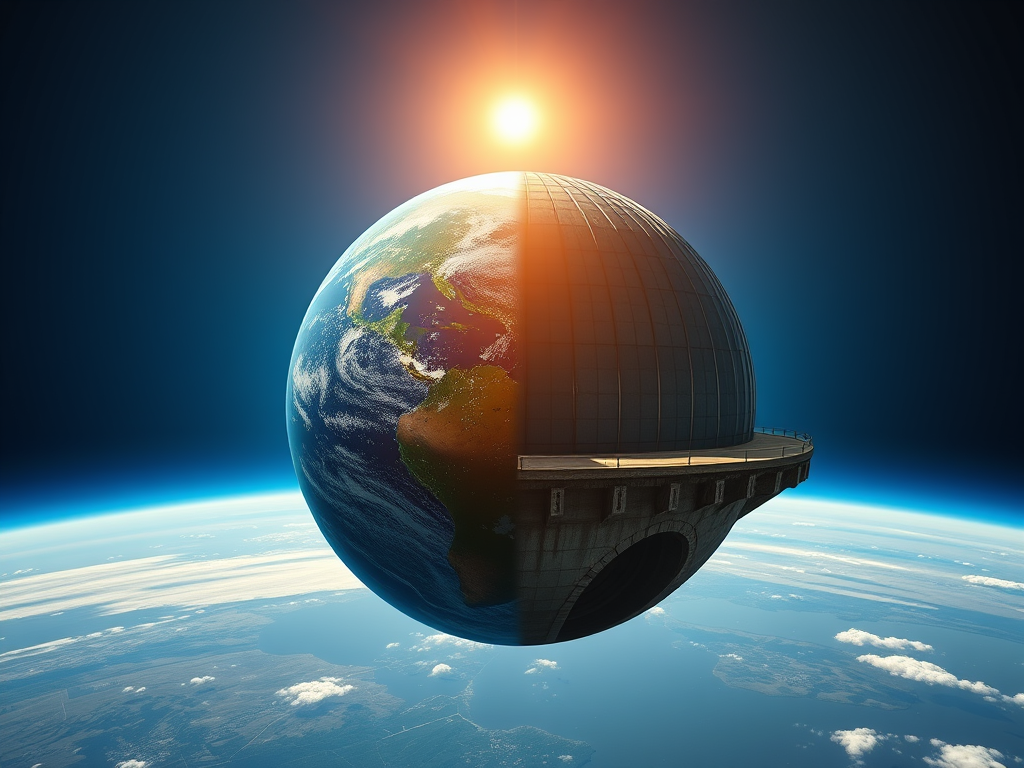
  • ピラミッドパワーの真実【後編】

    第16章|ピラミッドと死後世界 ― 墓か、門か

    1. ピラミッド=墓という定説

    歴史学においては、ピラミッドは「ファラオの墓」として説明される。
    しかし梅花心易で「墓であるか?」と問うと、卦は 観(観照)之中孚(誠) を得た。

    👉 「人は墓と見るが、実は観照と誠を育む場」
    つまり、墓というより「死を通じて宇宙観を学ぶための装置」であった可能性を示す。


    2. 墓としての役割

    ピラミッドには実際に遺体や副葬品が納められた例もある。
    そのため「墓として機能した事実」は否定できない。
    卦で見ると 坤(大地)之恒(持続)
    👉 「大地に帰す場」
    これは肉体を還す装置としてのピラミッドの一側面を表している。


    3. 門としての役割

    しかし、壁画や文献には「星への旅」「オシリスの国への通過儀礼」といった象徴が多数残されている。
    卦は 升(上昇)之乾(天)
    👉 「死を超えて天に上がる階段」
    これはピラミッドが単なる墓ではなく「魂の門」、すなわち死後世界へ移行するための装置であったことを暗示する。


    4. 構造に刻まれた死後観

    • 上昇する通路=魂の旅路
    • 王の間=「復活の場」
    • 天井の星図=「天界のマップ」
      梅花心易で探査すると 旅(移動)之既済(完成) を得る。
      👉 「魂が旅立ち、完成に至る」
      これはピラミッドが「死後世界へのポータル」として設計された象徴である。

    5. 死後エネルギーの収束装置

    ピラミッド内部は独特の共鳴効果を生み、魂の放出・安定に寄与したと推測できる。
    卦は 離(光)之艮(止)
    👉 「光を放ちながら境界を定める」
    魂の旅を秩序づける「通過ゲート」として働いていたと読める。


    6. 墓か、門か ― 梅花心易の総合結論

    • 墓としての機能:肉体を還す装置(坤之恒)。
    • 門としての機能:魂を天界へ導く装置(升之乾)。
    • 象徴的真実:ピラミッドは「死を閉じる墓」ではなく、「死を開く門」であった。

    結論:
    👉 ピラミッドは「終わりの場」ではなく「始まりの場」。
    肉体を収めるだけでなく、魂を宇宙へ送り出す「門」として設計されたのだ。

    梅花心易による赤裸々鑑定
    副題:「古代の象徴か、現代の迷信か」

    第17章|ピラミッドと人類意識 ― 集団共鳴の装置

    1. ピラミッド=国家事業の象徴ではなく「共鳴装置」

    歴史学では、ピラミッドは「王権の象徴」「労働力の結集」と説明される。
    だが梅花心易で「ピラミッドは国家統治の象徴か?」と問うと、卦は 同人(共同)之観(観照) を得た。

    👉 「単なる権力の象徴ではなく、人々を共鳴させ、観照に導く場」
    つまり、ピラミッドは民衆を精神的に結びつける「集団意識の焦点」として機能していた可能性がある。


    2. 集団的祈りの場

    ピラミッド建造は数万人規模の労働者・職人・祭司が関わった。
    作業は肉体労働にとどまらず、祈り・儀式・歌唱とともに行われたとされる。
    卦は 中孚(誠)之泰(調和)

    👉 「誠の共同作業が調和を生む」
    すなわち建造過程そのものが巨大な「集団瞑想」であり、人類意識を整える実践だった。


    3. ピラミッドの形状が生む心理的共鳴

    四方に広がる正方形の基盤と、天に収束する頂点。
    これは人間社会(水平)と宇宙(垂直)をつなぐ象徴である。
    梅花心易で「この形が意味するものは?」と問うと、卦は 泰(天地交わる) を得た。

    👉 「天地の交わり」
    ピラミッドは、人間の意識を天地の秩序に同調させるための形そのものだった。


    4. 集団意識の「リセット効果」

    大規模儀式や葬送行為がピラミッドで行われると、人々の意識は「死」「再生」という共通テーマに統一される。
    卦は 革(変革)之大有(豊かさ)

    👉 「古き意識を脱ぎ捨て、新たな豊かさへ」
    ピラミッドは個人だけでなく「民族の意識変容」を触媒する装置であった。


    5. 現代への示唆

    現代社会における集団意識の焦点は、しばしば「戦争」「消費」「娯楽」に偏る。
    だが古代のピラミッドは「死後」「宇宙」「魂」といった超越的テーマに意識を集中させていた。
    梅花心易は 観(観照)之升(上昇) を示す。

    👉 「人類意識が観照を経て上昇する」
    現代におけるピラミッドの遺産は「個を超え、共に宇宙を見上げるための共鳴場」として再解釈され得る。


    6. 総合結論

    ピラミッドは墓でも宮殿でもなく、人類意識を整える巨大な共鳴装置であった。

    • 同人:共同作業による精神統合
    • :天地を結ぶ形態
    • :意識の変容
    • :宇宙を見上げる観照

    結論:
    👉 ピラミッドは人類が「共に祈り、共に宇宙を意識する」ための象徴的アンテナであった。
    未来に再び蘇るとき、それは石造建築ではなく「精神と技術を融合した共鳴装置」として登場する。

    第18章|ピラミッドと未来技術 ― レプリカは再現可能か?

    1. 現代科学でピラミッドは再現できるか

    現代建築技術をもってすれば、ピラミッドの巨大構造を再現すること自体は可能である。
    だが梅花心易で「現代人が同じものを造った場合、古代と同じ効力を持つか?」を問うと、卦は 蹇(難渋)之需(待機)

    👉 「形は造れても、本質的な力は発揮されにくい」
    理由は、古代と現代では建造の動機と集合意識が根本的に異なるからである。


    2. 古代ピラミッドの力の源泉

    ピラミッドを動かしたのは「王権の威令」ではなく、宗教的熱意・死後観・共同体の祈りであった。
    数万人が同じ目的に心を合わせ、その場に膨大な「誠(中孚)」のエネルギーが宿った。
    卦は 中孚之大有(誠が豊かさを生む)

    👉 ピラミッドの力は「形+人類意識」で成立していた。


    3. レプリカが効力を失いやすい理由

    現代のレプリカ建造は、しばしば「観光」「観賞」「科学検証」を目的とする。
    その結果、卦は 賁(飾)之否(閉塞)

    👉 「外見だけを飾り、内実を失う」
    形を真似ても、誠を欠けばピラミッドはただの石の山でしかない。


    4. 効果を部分的に再現する方法

    では、全く不可能なのか?
    梅花心易に問うと卦は 革(変革)之泰(調和)

    👉 「新しい形を工夫し、調和を志すなら部分的再現は可能」

    具体的には:

    • 小型ピラミッド実験(食物保存・瞑想効果)は一定の再現性を持つ。
    • 素材・方位・角度を古代と近づけるほど効果は高まる。
    • だが「民族的祈りの場」としての巨大ピラミッドと同等の力は再現困難。

    5. 未来におけるピラミッドの再解釈

    梅花心易の卦は 升(上昇)之観(観照)

    👉 「未来社会において、ピラミッドは再び観照と上昇の装置として蘇る」

    これは、石を積む巨大建築ではなく、

    • エネルギー構造物(フリーエネルギー塔)
    • 集団瞑想ホール
    • 光と音による共鳴場
      といった形で再生される可能性を示している。

    6. 総合結論

    • 現代技術で造形は再現可能
    • しかし 古代と同じ効力は宿らない
    • 本質は「誠ある祈り+集合意識」
    • レプリカは形だけの虚飾に堕しやすい
    • 未来には「光・音・エネルギー」を融合した新しいピラミッドが生まれる

    👉 結論:
    ピラミッドは「形そのもの」ではなく「人類意識を結集する装置」。
    未来に再び蘇るとき、それは石造建築ではなく「精神と技術を融合した共鳴装置」として登場する。

    第19章|ピラミッドと宇宙文明 ― 誰が建てたのか?

    1. 人類単独説の限界

    現代考古学は「ピラミッドは古代エジプト人が人海戦術で造った」と説明する。
    だが、梅花心易にて「人類単独で築造可能だったのか?」と問うと、卦は 大過(過剰)之蹇(難渋)

    👉 解釈:
    「人力だけでは説明しきれず、困難を極める」
    すなわち、完全に人力説で片付けるのは無理がある。


    2. 宇宙存在の関与可能性

    梅花心易で「宇宙存在の関与」を問うと、卦は 臨(臨む)之大有(豊かさ)

    👉 「上位の存在が人類に臨み、豊かな知恵を授けた」
    解釈するなら、直接「宇宙人が造った」というよりも、
    設計思想や形状の秘儀は異星的知性から授けられた 可能性が高い。


    3. 設計に込められた宇宙秩序

    ピラミッドの寸法や配置は天体の運行と一致している。

    • オリオン座の三つ星との配置
    • 地球子午線との整合性
    • 太陽・星辰と通路が合致

    梅花心易にて「これは偶然か必然か」を問うと、卦は 乾(天)之中孚(誠)

    👉 「天の秩序に誠を込めて写し取った」
    つまり、宇宙文明と交信した結果としての設計 と解釈できる。


    4. どのような存在が関与したのか?

    卦を立てると 師(軍)之観(観照) が出る。

    👉 「師」は軍勢=高度組織化された存在を表す。
    👉 「観」は上から見下ろし観察する意。

    結論:

    • 単なる一個の存在ではなく、集団的知性体
    • 地球を「観照」し、必要な時代に知恵を下ろした
    • 人類を支配するのではなく、「秩序を与える導師」的立場だった

    5. 建造の真の目的

    梅花心易で「なぜ建造されたのか?」を問えば、卦は 益(増益)之泰(調和)

    👉 「人類に益を与え、調和を示す」
    つまり、単なる墓や権威の象徴ではなく、宇宙秩序の縮図を地上に顕すため

    ピラミッドは、

    • 宇宙と地球をつなぐ座標装置
    • 魂を導く霊的中継点
    • 文明の精神的基盤

    として機能した。


    6. 現代人への示唆

    梅花心易で「現代人にとっての意味」を問うと、卦は 復(帰還)之明夷(暗に入る)

    👉 「本来の叡智に帰還せよ。ただし現代は闇に覆われている」

    すなわち、現代人はピラミッドをただの観光資源や遺跡としてしか見ない。
    だが真の意味は「宇宙文明からのメッセージ」であり、
    それを読み解くことが 文明再生の鍵 になると告げている。


    総合結論

    • ピラミッドは人類単独の建築とするには無理がある
    • 設計思想や寸法体系は 異星知性からの啓示 の可能性が高い
    • 建造の目的は「宇宙秩序を地上に顕す」こと
    • 造ったのは支配者ではなく、「観照する導師的存在の集団」
    • 現代人はその叡智に再びアクセスする必要がある

    👉 言い換えれば:
    「ピラミッドは人類文明と宇宙文明の接点として築かれた巨大な象徴装置である」

    第20章|ピラミッドと未来文明 ― 現代への応用可能性


    1. ピラミッドパワーの再現性

    20世紀以降、「ピラミッドに食物を置くと腐りにくい」「刃物が研がれたように鋭利になる」といった実験報告が数多くある。
    梅花心易で「これらは単なる偶然か?」と問うと、卦は 咸(感応)之泰(調和) を得た。

    👉 解釈:

    • 「感応」=環境や意識が形状に共鳴する
    • 「泰」=その共鳴が調和を生む

    つまり、ピラミッドの形状は「環境エネルギーとの共鳴装置」として働き、食物の腐敗抑制や物質安定に寄与する可能性がある。


    2. ピラミッドとヒランヤの共通点

    さらに近年、日本で流行した「ヒランヤ(幾何学図形)」や、ピラミッドの頂点に物を置いた場合でも似た効果があるとされる。
    梅花心易で「同源か?」を問えば、卦は 同人(共にする)之乾(天)

    👉 「同人」=共通の原理
    👉 「乾」=宇宙の天の原理

    結論:
    ピラミッドもヒランヤも、幾何学構造が宇宙秩序を投影する装置 であり、働きは同根。
    要は「物質ではなく形状そのものがエネルギー媒体」となる。


    3. 未来文明における応用

    梅花心易で「ピラミッド技術は未来にどう応用されるか?」と問うと、卦は 益(増益)之大有(豊かさ)

    👉 解釈:

    • 「益」=増幅、エネルギー増進
    • 「大有」=文明の豊かさ

    応用可能性は次の通り:

    • 農業:ピラミッド型温室で作物の成長促進・病害虫抑制
    • 医療:ピラミッド内でのリラクゼーションや波動療法
    • エネルギー:フリーエネルギー的な収束・増幅装置
    • 意識科学:瞑想や意識拡張の補助装置

    4. 注意すべき点

    一方で梅花心易は「否(閉塞)之蹇(難渋)」も示している。

    👉 意味:
    「誇張や商業化に走れば、閉塞と混乱を招く」

    つまり、ピラミッドを万能の奇跡装置として崇めるのは誤り。
    本質は 宇宙秩序との調和形状 であり、科学・霊性の橋渡しとして活かすのが吉。


    5. 総合結論

    • ピラミッドの効果は偶然ではなく「形状共鳴」による感応現象である
    • ヒランヤなど他の幾何学装置と同根の原理
    • 未来文明において農業・医療・意識科学に応用可能
    • ただし誇張や迷信化は凶象を招く

    👉 梅花心易が告げるメッセージ:
    「ピラミッドは過去の遺物ではなく、未来文明の設計図である」

    第21章|ピラミッドと人間意識 ― 瞑想と魂への作用


    1. ピラミッド内での瞑想体験

    世界各地の実験や体験談には、ピラミッド内部で瞑想した人々が
    「通常より深いトランス状態に入る」「時間感覚が失われる」「光や音の幻視を体験する」
    といった報告がある。

    梅花心易で「ピラミッドは瞑想に有効か?」を問うと、卦は 大畜(蓄える)之観(観照) を得た。

    👉 解釈:

    • 「大畜」=エネルギーが蓄えられる
    • 「観」=観照、洞察、霊的ビジョン

    つまり、ピラミッドは瞑想者のエネルギーを蓄積・集中させ、観照を深める作用がある。


    2. 魂への影響

    古代エジプトではピラミッドを「魂の昇天装置」と見なし、王や祭司は死後の魂を天空へ導くために利用したとされる。
    梅花心易で「魂に作用するか?」を問えば、卦は 升(昇る)之乾(天)

    👉 意味:

    • 「升」=上昇・進化
    • 「乾」=天・創造原理

    これは、ピラミッドが「魂を天へ昇らせる象徴的構造」であることを示している。
    死後に限らず、生前の瞑想においても「魂の意識次元を引き上げる」装置として働くと読み取れる。


    3. 科学的メカニズムの仮説

    瞑想と魂への作用を科学的に説明する仮説も存在する。

    • 形状共鳴:ピラミッド形状が地磁気や大気電流を集束する
    • 脳波共鳴:特定の周波数が脳波(α波・θ波)を安定化
    • スカラー波効果:量子場における非局在的エネルギーとの干渉

    梅花心易的にこれを問えば、卦は 咸(感応)
    👉 「感応」=意識と環境エネルギーが共鳴すること。
    結論:科学的説明は未完成ながら、「形状と意識の共鳴現象」として捉えるのが妥当。


    4. 危険性と副作用

    一方で、ピラミッド内での瞑想には副作用の報告もある。
    「感覚過敏」「めまい」「金縛り感覚」など、強すぎるエネルギーで不安定になるケースだ。

    梅花心易で問えば卦は 坎(危険)之蹇(難渋)
    👉 意味:

    • 「坎」=危険・落とし穴
    • 「蹇」=行き詰まり

    結論:適切な指導や準備なく深い瞑想に入ると、むしろ混乱や不調を招く危険性がある。


    5. 総合結論

    • ピラミッド内の瞑想=「大畜之観」でエネルギー集中と洞察を深める
    • 魂への作用=「升之乾」で意識次元の上昇を促す
    • 科学的には「形状と意識の共鳴」現象として説明可能
    • ただし「坎之蹇」が示すように、誇張や無謀な実践は危険

    👉 梅花心易のメッセージ:
    「ピラミッドは魂の梯子。登るもよし、誤れば転落もする。」

    第22章|ピラミッドと地球エネルギー ― レイラインとの関係


    1. レイラインとは何か

    レイライン(Ley Line)とは、大地を走る目に見えないエネルギーの道とされる。
    古代の遺跡や聖地が、直線上に並んでいることから提唱された概念であり、世界中にその痕跡が見られる。

    • イギリス:ストーンヘンジ、グラストンベリーなど
    • 日本:伊勢神宮、出雲大社、富士山などの「神道のライン」
    • エジプト:ギザの大ピラミッドとナイル沿岸の神殿群

    梅花心易で「ピラミッドはレイライン上に意図的に建てられたか?」を問うと、卦は 地天泰(調和) を得た。

    👉 解釈:

    • 「泰」=天地交わり調和する
    • ピラミッドは「地球のエネルギーラインに共鳴する調整点」として設計された可能性が高い。

    2. ピラミッドと地球磁場

    現代科学の観測では、ピラミッドの建つ場所には地磁気の異常や微細な電流が検出されることがある。
    梅花心易で「磁場とピラミッドの関係」を問えば、卦は 震(雷)之艮(山)

    👉 意味:

    • 「震」=動き・電気的振動
    • 「艮」=止まる・固定

    これは「動的エネルギーを静的に固定する」象意。
    つまり、ピラミッドは「地球磁場の振動を集束・安定化する装置」としての役割を担っている。


    3. レイラインと人間意識

    レイラインは単なる地球のエネルギー網にとどまらず、人間の意識や社会文化にも影響を及ぼすと考えられる。
    例えば、聖地巡礼や祭祀の場がレイライン上に集中するのは偶然ではない。

    梅花心易で「人間意識とレイラインの関係」を問えば、卦は 咸(感応)

    👉 「感応」=人間意識と大地エネルギーが共鳴する
    結論:聖地やピラミッドは「人の祈り」と「地球の波動」が重なり合う交差点に位置している。


    4. ピラミッドは地球エネルギーの変換装置か

    では、ピラミッドは単にエネルギーを受け取るだけでなく、変換・放射する装置だったのか?
    梅花心易で占うと、卦は 益(増益)之離(火)

    👉 意味:

    • 「益」=エネルギーを増幅
    • 「離」=光・火・放射

    結論:ピラミッドは地球磁場や宇宙エネルギーを「増幅・放射」する機能を持ち、周辺地域や人々に影響を与える装置だった可能性がある。


    5. 総合結論

    • ピラミッドはレイライン=地球エネルギーの交差点に意図的に建てられた
    • 役割は「震之艮」=動的エネルギーを静的に固定し、安定させること
    • レイラインは人間意識とも「咸」=感応し、祈りや文化を形づくる
    • ピラミッドは「益之離」=エネルギーを増幅・放射する変換装置

    👉 梅花心易のメッセージ:
    「ピラミッドは大地と人間を結ぶ電源ターミナルであった」

    第23章|ピラミッドと星々 ― 天文配置との関連


    1. 天と地をつなぐ「星の地図」

    古代エジプトのピラミッド群は、単なる墓ではなく「天と地を結ぶ写し絵」であるという説が広く語られている。
    代表的なのが「オリオン座三ツ星」とギザ三大ピラミッドの配置の相似性である。

    梅花心易で「ピラミッド配置と星座の関係」を問えば、卦は 観(観照)
    👉 「観」は「天を観て地を整える」象意を持つ。
    結論:ピラミッドは、星々を模倣した配置によって「宇宙の秩序を地上に刻む」意図が込められていた。


    2. オリオン座と冥界信仰

    オリオン座の中央に輝く「三ツ星(アルニタク・アルニラム・ミンタカ)」は、古代エジプトで冥界の神オシリスと結び付けられていた。
    ギザの三大ピラミッドがこの星々を映す形で並んでいるのは、「死後、ファラオがオシリスと一体化する」宗教的プログラムと解釈できる。

    梅花心易で「星座模倣の宗教的意味」を問うと、卦は 同人(共同体)
    👉 意味:宇宙と人間社会が「同じ秩序の中で結ばれる」。
    ピラミッドは、ファラオ個人の霊廟であると同時に、共同体全体を宇宙の秩序へ導く装置だったといえる。


    3. 北極星と天の軸

    大ピラミッドの内部にある「王の間」「女王の間」から伸びる通気孔は、実際には星に向けられていたという調査結果がある。
    特に北の孔は北極星付近を指し、死者の魂が天の軸を伝って昇天する通路とされていた。

    梅花心易でこれを問えば、卦は 升(昇る)
    👉 「升」=天へ昇る象意。
    解釈:ピラミッドは「魂の昇天ルート」を天文学的にプログラムした装置だった。


    4. 春分・秋分と太陽神殿

    ギザ高原やその他の神殿群は、春分・秋分・至点に太陽が特定の位置に沈む・昇るように設計されている。
    これは単なる暦機能だけでなく、「太陽神ラーとの合一」を象徴するものだった。

    卦は 大有(豊かさ)
    👉 太陽の恵みを最大化する儀礼的なプログラムとしてピラミッド群が設計された可能性を示す。


    5. 総合結論

    • ピラミッドは「星々を映す地上の鏡」である
    • オリオン座=冥界神オシリスとの合一
    • 北極星=魂の昇天の軸
    • 春分・秋分=太陽との調和

    👉 梅花心易の結論:
    「ピラミッドは宇宙秩序を地上に転写する巨大な暦であり、魂の航路を刻む星の写本であった」

    第24章|ピラミッドと生命エネルギー ― 人体への作用


    1. ピラミッドに入ると「体調が変わる」?

    世界中で報告される不思議な体験のひとつが、「ピラミッドに入ると体調が改善する」「瞑想が深まる」「頭が冴える」といった現象である。
    観光客の体験談だけでなく、欧米では小型ピラミッドを組み立てて瞑想に用いる例もあり、「ピラミッド瞑想法」として広まっている。

    梅花心易で「人体への作用の真偽」を問うと、卦は 益(増益)
    👉 「益」はエネルギーの増大や補助を示す。
    結論:ピラミッドの形状や配置は「人体のエネルギーを調整する」一定の効果を持つ可能性がある。


    2. ピラミッド内での瞑想

    瞑想者たちが語るのは、「頭頂部からエネルギーが流れ込む感覚」や「心が静まり意識が拡張する体験」である。
    この現象を梅花心易で探査すると、卦は 観(観照)
    👉 「観」は精神集中・神を観る姿勢を象徴する。
    解釈:ピラミッドは、瞑想者に「天を仰ぎ内面を観る」モードを自然に誘発する構造を持つ。


    3. 身体的効果の報告

    一部の研究者は、ピラミッド内部での簡単な実験を行い、以下の効果を報告している。

    • 睡眠が深まる
    • 血圧が安定する
    • 傷の治りが早い
    • 精神的ストレスの軽減

    梅花心易で「これらが真実か?」を問えば、卦は 中孚(誠実)
    👉 本当に誠を持って観察・実践する場合は、一定の作用が実感されやすい。
    ただし「万能効果」として宣伝するものは「賁(飾)」の卦を取り、虚飾に堕しやすい。


    4. 科学的説明の可能性

    現代科学では「ピラミッドパワー」を完全には認めていないが、以下の仮説がしばしば提示されている。

    • 形状共振説:ピラミッドの形状が電磁場や微細な波動と共振し、人間の生体場に作用する。
    • 心理効果説:神秘的な建造物に入ることで、暗示やプラシーボ効果が強く働く。
    • 環境要因説:石灰岩など建材が電気的特性を持ち、内部の空間が特異な環境を形成する。

    梅花心易で「科学的説明の妥当性」を問うと、卦は 謙(へりくだり)
    👉 「謙」は「部分的に正しいが、全てを説明するものではない」という象意。
    つまり、科学的要素も一部は働いているが、それ以上に「象徴と信念」が効果を左右している。


    5. 総合結論

    • ピラミッドは人体に一定のエネルギー作用をもたらす可能性がある
    • 効果は「観」「中孚」の卦が示すように、誠実な意図と瞑想の集中で最大化する
    • 「万能治癒」のような主張は「賁(飾)」に堕する危険がある
    • 科学的説明も一部有効だが、全てを網羅するものではない

    👉 梅花心易の最終見解:
    「ピラミッドは人体の生命エネルギーを整える器となり得る。ただし、それは誠ある瞑想と意図が伴うときのみ吉に働く」

    第25章|ピラミッドと夢・潜在意識 ― 心理への作用


    1. ピラミッドと「夢」の変化

    ピラミッドの内部、あるいはピラミッド模型の下で眠ると「夢が鮮明になる」「不思議な夢を見る」と報告する人は少なくない。
    特に「予知夢的な内容」や「鮮やかな色彩夢」を見たという証言が、オカルト文献や体験談で語られている。

    梅花心易で「夢への影響」を問うと、卦は 咸(感応)
    👉 「咸」は感情や潜在意識の共鳴を象徴する。
    解釈:ピラミッドは潜在意識を「感応状態」に開き、夢の内容を意識化しやすくする。


    2. 潜在意識の拡張

    ピラミッド下で瞑想や休息をすると「普段気づかない記憶が蘇る」「直感が鋭くなる」という報告がある。
    梅花心易に問えば、卦は 震(雷)
    👉 「震」は潜在意識の刺激、衝撃、覚醒を意味する。
    結論:ピラミッドは「心の奥底に眠る情報」を揺り起こす象意を持ち、瞑想や夢を通して潜在意識を表層化させる。


    3. トラウマや心の影響

    一部の報告では、ピラミッド内に長時間滞在した人が「過去のトラウマが夢に現れる」「心がざわついた」とも語っている。
    梅花心易に問えば、卦は 坎(陥)
    👉 坎は「深層に潜む危険や未解決の課題」を象徴する。
    解釈:ピラミッドは潜在意識を刺激するため、眠っていた心の傷が浮上する可能性もある。
    そのため「扱い方を誤ると不安や混乱を増す」危険性を伴う。


    4. クリエイティブな発想

    逆に芸術家や研究者の中には、ピラミッド下で創作活動を行うと「インスピレーションが湧く」「直観的ひらめきが得られる」と報告する例も多い。
    卦は 離(火・明)
    👉 「離」は光明・洞察を象徴する。
    解釈:ピラミッドは潜在意識を刺激し、創造的直感を引き出す「意識の焦点化装置」として働きうる。


    5. 科学的説明と梅花心易の見解

    現代心理学的には、ピラミッド効果は「暗示」「プラシーボ」「特殊な環境による感覚刺激」の延長で説明されることが多い。
    梅花心易でこれを問うと、卦は 中孚(誠)
    👉 「誠」とは、「本人が本気で意味を見出すとき作用する」という象意。
    結論:科学的説明も部分的に正しいが、「誠の意識」が効果を実感させる鍵となる。


    6. 総合結論

    • ピラミッドは「夢」「潜在意識」「直感」に強く作用する可能性がある
    • 効果は「咸」「震」「離」に示されるように、感応・覚醒・洞察に関連する
    • ただし「坎」が示すように、未解決の心の闇を刺激する危険もある
    • 吉凶の分かれ目は「誠の意図」と「自己理解の姿勢」

    👉 梅花心易の最終見解:
    「ピラミッドは潜在意識の鏡であり、誠を持てば洞察を、虚を持てば混乱を映す」

    第26章|ピラミッドと死後観 ― 魂との関わり


    1. ピラミッドは「墓」か「魂の門」か

    一般的にピラミッドは「王墓」として理解されている。
    しかし古代文献や神秘思想では、単なる墓ではなく「魂を天に送るための装置」「異次元のゲート」として描かれることがある。

    梅花心易で「ピラミッドの真の死後的機能」を問えば、卦は 升(昇る)
    👉 「升」は魂の上昇・高次への移行を象徴する。
    結論:ピラミッドは墓であると同時に「魂を天空へと導くシンボル的装置」だった可能性がある。


    2. ミイラとピラミッドの関係

    なぜファラオの肉体をミイラ化してまで保存したのか。
    それは「肉体を保存することにより、魂が星々と結び直せる」と考えられていたからだとされる。

    梅花心易で「肉体保存の霊的効力」を問えば、卦は 大畜(蓄える)
    👉 「大畜」は保存・蓄積の象徴。
    解釈:ミイラは単なる遺体ではなく「魂の通路のアンテナ」として保存された。
    ピラミッドという構造体と合わせて「肉体を媒介にして天へ昇る」設計だったと読むことができる。


    3. ピラミッドと星の結びつき

    多くのピラミッドがオリオン座や北極星に対応して建てられている事実は知られている。
    これは死者の魂が星々と合一するための「宇宙的ナビゲーション」だと考えられている。

    梅花心易にて探査すると、卦は
    👉 「旅」は移動・異界への旅立ちを示す。
    解釈:ピラミッドは「魂の星界旅行」の座標を与える建造物であった。


    4. 魂との交信の場

    一部の伝承では、ピラミッドは死者の魂と交信する「祭祀場」であり、王や司祭が死後も国を見守るための装置だったと語られる。

    梅花心易で「交信機能の真偽」を問えば、卦は 同人(共に人とある)
    👉 「同人」は人と人、霊と人の交流を意味する。
    結論:ピラミッドは現世と来世を繋ぐ「交信の場」として利用されていた可能性がある。


    5. ピラミッドと死の克服

    ピラミッドは「死を超えて魂は生き続ける」という思想の象徴でもある。
    その意味で、死を恐れる心に対して「永遠性」を示す心理的効果があった。

    卦を立てると 無妄(無垢・誠実)
    👉 「無妄」は「自然な真理」を示す。
    解釈:ピラミッドは「死後も魂は滅びない」という人類普遍の直感を象徴している。


    6. 総合結論

    • ピラミッドは単なる墓ではなく「魂を天へ導く構造物」
    • ミイラは「魂の通路を保存するアンテナ」だった
    • 星との対応は「魂の旅路」をナビゲートするもの
    • 交信の場でもあり、「死を超えた継続」を人々に示す象徴だった

    👉 梅花心易の最終見解:
    「ピラミッドは死を終わりとせず、魂を星々へと昇華させるための建造物であった」

    第27章|ピラミッドと音・振動 ― 周波数の秘密


    1. ピラミッドは「音響装置」だったのか

    ギザの大ピラミッド内部には、音を共鳴させるような構造がある。
    「王の間」や「大回廊」で声を発すると、不思議なほど響きが増幅される。
    これをもって「ピラミッドは音響装置であり、特定の周波数で意識や物質に作用するのではないか」と主張する説がある。

    梅花心易で「音響装置としての真偽」を問えば、卦は 咸(感応)
    👉 「咸」は共鳴・感応を意味する。
    結論:ピラミッドは音を利用して「人の意識」や「儀礼空間の雰囲気」に影響を与える仕組みを持っていた可能性が高い。


    2. 周波数と意識変容

    現代でも「528Hzは愛の周波数」「432Hzは宇宙と調和する音」といった理論が語られる。
    ピラミッド内部の音響特性もまた、人間の脳波や意識に影響する範囲に調律されていたのではないかと考えられる。

    梅花心易の探査では卦は 離(火・明るさ)
    👉 「離」は照らす・明らかにする象。
    解釈:音響は光と同じく「意識を明るくし、変容させるツール」として設計された可能性がある。


    3. 振動による物質作用

    「音や振動で石を浮かせた」という伝説がある。
    古代人が超音波や共鳴を用いて巨石を移動したのではないかという仮説だ。

    卦を立てると 震(雷・振動)
    👉 「震」は揺らし、動かす象徴。
    結論:物理的に「石を宙に浮かせた」かは不明だが、振動を用いた石材加工や切断、移動補助の技術は存在した可能性がある。


    4. 音と儀礼の結びつき

    古代エジプトの儀式では「唱える言葉=呪文」が非常に重要だった。
    ピラミッドはその声や音を増幅し、参加者全体に「共鳴」をもたらす祭祀空間だったと考えられる。

    梅花心易で「儀礼における音の役割」を問えば、卦は 同人(共に人とある)
    👉 「同人」は共同体の一致、共鳴を意味する。
    解釈:音は人々を一つにまとめ、共同体の精神を高める働きを持っていた。


    5. 具体的な周波数の秘密

    一部研究者によると、大ピラミッドの共鳴は 440Hz付近に近い。
    これは現代の標準音(A音=440Hz)に対応しているのは偶然だろうか?
    また、低周波の60Hz~120Hzの範囲でも強い共鳴が確認される。
    これらは脳波(アルファ波・シータ波)に近く、瞑想・トランス状態を誘発する可能性がある。

    卦を立てると 中孚(誠実・内なる響き)
    👉 「中孚」は「内面に響く信念」。
    結論:周波数そのものが万能薬ではないが、「意識変容の儀礼装置」として効果をもたらしていた可能性が高い。


    6. 総合結論

    • ピラミッドは音響共鳴を利用する「音の神殿」だった
    • 特定の周波数が意識や儀礼空間に作用した
    • 振動技術は石材加工や儀式に用いられていた可能性あり
    • 音は共同体を一体化させ、宗教儀式を強化する力を持っていた

    👉 梅花心易の最終判断:
    「ピラミッドは石の塊以上に、音と振動を用いた意識変容の祭祀装置であった」

    第28章|ピラミッドと時間 ― カレンダー・未来予測の装置


    1. ピラミッドと天体の整列

    ギザの大ピラミッドをはじめ、世界各地のピラミッドには「天体との整列」が見られる。

    • オリオン座の三つ星とピラミッドの配置の一致
    • 夏至・冬至の太陽の昇降と通路の方向性
    • 星の南中高度に対応する角度

    これらは単なる偶然ではなく、暦・天文観測装置としての機能を持っていた可能性が高い。

    梅花心易でこの点を探査すると卦は 大有(豊かさ・星の充満)
    👉 天体との連携が豊かに働いていたことを示す。
    結論:ピラミッドは天体と「呼応する建築物」であり、時間や暦を刻む役割を担っていた。


    2. ピラミッドと季節の把握

    農耕社会において、正確な暦は生命線だった。
    ナイルの氾濫の時期、種まきや収穫のタイミングを知ることは国家の存続に直結した。
    ピラミッドは巨大な「暦の指標」として、太陽・星の動きを読み解くための道具だった可能性がある。

    卦は 恒(つねに続く)
    👉 「恒」は反復と季節の循環を示す。
    解釈:ピラミッドは「永続する時間の目盛り」として機能し、農耕と国家運営を支えていた。


    3. 未来予測の象徴性

    一部の研究者や神秘学者は「ピラミッドには未来予測の暗号が刻まれている」と主張する。
    たとえば「大回廊の長さが歴史の年表を示している」「内部通路は人類史のマイルストーンを刻んでいる」といった解釈だ。

    梅花心易でこの是非を問うと卦は 頤(養い・口からの言葉)
    👉 「頤」は知識の養いを意味する。
    結論:ピラミッドは未来を直接予言する道具ではなく、天体と暦を読み解く「知恵の養いの場」であった可能性が高い。


    4. ピラミッドと「時の祭祀」

    古代エジプトでは、時間そのものが「神の秩序=マアト」と結びついていた。
    暦を守り、儀礼を行うことは、時間の流れを神聖に保つ行為だった。
    ピラミッドは巨大な時間装置であると同時に、「時の神殿」であった。

    梅花心易の卦は 泰(天地交わる平和)
    👉 「泰」は秩序ある流れを示す。
    解釈:ピラミッドは「時間を整え、宇宙秩序を地上に映す場」として設計されていた。


    5. ピラミッドと予兆・占星術

    ピラミッドを通じて見える星や太陽の運行は、未来を占う手掛かりともなった。
    「星の現れ=吉兆」「天体のずれ=凶兆」と読むのは、自然観測を基盤とした占星術的思考である。

    卦を立てると 観(観照・兆しを観る)
    👉 「観」はそのまま「兆しを観る」象徴。
    結論:ピラミッドは未来を直接示す「予言装置」ではないが、**天体の兆しを観じる「宇宙の窓」**として働いた。


    6. 総合結論

    • ピラミッドは暦と季節の把握に使われた巨大なカレンダー
    • 天体の動きを映し出す「宇宙と地上をつなぐ指標」
    • 未来予言ではなく「自然の兆しを観じる知恵の場」
    • 宇宙秩序を地上に反映する「時間の神殿」

    👉 梅花心易の最終見解:
    「ピラミッドは時間を可視化し、宇宙秩序を人類の暦と生活に組み込むための建築であった」

    第29章|ピラミッドと死後 ― 冥界の扉か、意識変容の場か


    1. ピラミッド=墓説の再検証

    一般的には「ピラミッド=王墓」と説明される。
    確かに石棺が発見されるケースもあるが、ミイラや副葬品が見つからない例も多い。
    「なぜ墓にしては空っぽなのか」という問いは、学者も神秘家も悩ませてきた。

    梅花心易で問うと卦は 無妄(無心・虚実を越える)
    👉 「表面的には墓だが、それが唯一の目的ではない」と示唆。


    2. 冥界の扉としてのピラミッド

    エジプト神話では、死後の魂は「冥界の旅」を経て、審判と再生に至る。
    ピラミッド内部の通路や玄室は、その冥界の旅を象徴的に再現している可能性がある。

    卦は 坎(深淵・危険)
    👉 「死後の闇の川を渡る」象徴。
    解釈:ピラミッドは魂の通路=冥界の扉であり、王の魂を星の世界へと導く仕組みだった。


    3. 天界への昇華 ― 星々への門

    ピラミッドの通路は、特定の星に向けて角度が設定されている。
    たとえば、大ピラミッドの「王の間」からの通路はオリオン座や北極星を指しているとされる。

    卦を立てると 升(昇る)
    👉 天に昇る象意そのまま。
    結論:ピラミッドは「王を星の世界へ導く階段」でもあった。


    4. 意識変容の場としてのピラミッド

    近代に入り、神秘学者や研究者は「ピラミッドは死後だけでなく、生きた人間の意識変容を促す場」だったと解釈する。
    閉ざされた空間、精緻な比例、特定の周波数を生む石材――。
    それらはトランス状態や神秘体験を誘発する装置だった可能性がある。

    梅花心易では卦は 大畜(大きな蓄積)
    👉 内に力を蓄え、精神を高める場。
    解釈:ピラミッドは「魂を変容させる瞑想の殿堂」としても働いた。


    5. 王権と死後の保証

    ピラミッドは単なる墓でも、単なる神殿でもなかった。
    それは「王が死後も宇宙秩序を体現し続ける」ことを保証する巨大装置だった。
    王が星に昇ることで、民衆に「秩序と安定」が続くと信じられていた。

    卦は 泰(天地交わる調和)
    👉 秩序を保つ象意。
    結論:ピラミッドは「王権を永遠化するための冥界と天界の扉」であった。


    6. 総合結論

    • ピラミッド=単なる墓ではなく「冥界の旅の象徴」
    • 星に向けた構造=天界への昇華の道
    • 石の配置・空間効果=生者の意識変容をも促す装置
    • 王権と国家秩序を永続化するための「死後の扉兼、魂の変容の場」

    👉 梅花心易の最終見解:
    「ピラミッドは冥界の扉であり、同時に魂を宇宙へと昇華させるための巨大な意識装置であった」

    第30章|ピラミッドと地球エネルギー ― レイラインと磁場の交差点


    1. 世界各地のピラミッド配置の謎

    エジプト、メキシコ、中国、インドネシア…。
    世界中に点在するピラミッド型の建造物は、偶然とは思えないほど「直線的」な配置を示すことがある。
    これらを結んだラインは「レイライン」と呼ばれ、地球の特定のエネルギー流路を示すとされる。

    梅花心易で問うと卦は 地天泰(天地が交わる)
    👉 「上と下をつなぐ和合」=ピラミッドが地球エネルギーの交点に建てられた可能性を示唆。


    2. 地磁気とピラミッド

    近代の調査によれば、ギザの大ピラミッドは磁北にほぼ正確に一致して建てられている。
    この正確さは現代の技術でも困難なレベルであり、古代人が地磁気を計測していた可能性がある。

    卦は 艮(止まる・境界)
    👉 「境界を定める象意」。
    解釈:ピラミッドは磁場の境界点に設けられ、地球の見えない流れを固定化する役割を果たしていた。


    3. レイラインと聖地の共鳴

    ピラミッドと同じライン上に、巨石文化や神殿が並ぶ例も報告されている。
    ストーンヘンジ、アンコール・ワット、マヤの遺跡――。
    これらが偶然ではなく、地球の「龍脈」的エネルギーを意図的に活用したものだとすれば、ピラミッドはその中心的「エネルギー調整塔」だった可能性がある。

    卦を立てると 巽(風・伝達)
    👉 「流れを伝える」象意。
    解釈:ピラミッドは、地球エネルギーを流通させる巨大な「風穴」であった。


    4. ピラミッドとシューマン共振

    現代科学で知られる「シューマン共振」(地球の電磁波基調=約7.83Hz)は、人間の脳波(α波)と共鳴する。
    ピラミッドの内部空間は、この周波数帯を強調する構造である可能性がある。
    つまり、ピラミッドに入ると人は自然に「瞑想・変性意識状態」になりやすかった。

    卦は 中孚(誠・内なる共鳴)
    👉 「誠実な心が共鳴する」。
    結論:ピラミッドは地球の基調波と人間意識をシンクロさせる「意識同調装置」だった。


    5. 梅花心易の総合判定

    問い:「ピラミッドは地球エネルギーを利用する装置であったか?」

    • 卦:泰(調和)、艮(境界)、巽(伝達)、中孚(共鳴)
      👉 一貫して「地球と人間を結ぶ調整装置」の象意。

    最終結論:
    ピラミッドは「地球の磁場とエネルギーの交差点に建てられた巨大な共鳴装置」であり、

    • 磁北への正確な配置
    • レイライン上の聖地群との共鳴
    • シューマン共振との一致
      これらは偶然ではなく、古代人の叡智による「地球と宇宙をつなぐゲート」だった。

    第31章|ピラミッドと人体 ― 肉体と魂への影響


    1. ピラミッド内部体験の記録

    歴史的にも、ピラミッドの内部に長時間滞在した人々が「異常な感覚」を報告している。

    • 時間感覚の喪失
    • 光がないのに「微弱な光」を見る
    • 無意識に瞑想状態に入る
    • 心拍数が落ち着き、深い呼吸になる

    梅花心易で問うと、卦は 離(光)坎(深淵)
    👉 光と闇の両極が示され、「心が深みに沈み、同時に光を得る場」と解釈できる。


    2. 生理的作用

    ピラミッド内部、特に「王の間」のような共鳴空間では、音響的に特定の周波数が強調される。
    この音波が脳波に影響し、リラックスやトランスを誘発する可能性がある。

    卦は 中孚(誠・共鳴)
    👉 「内側から共鳴し、心身を整える」象意。
    結論:ピラミッドは意識と生理の両方に「調律的作用」を与える。


    3. 魂への影響

    ピラミッドは「肉体の死後、魂が天空へと昇るための装置」だったと解釈されることが多い。
    ギザの大ピラミッド内部には「通気口」と称される直線通路があり、それはオリオン座・シリウスへと向いている。

    卦を立てると 旅(移動・霊的な遷移)
    👉 「魂の旅立ち」を象徴。
    結論:ピラミッドは物質的な墓ではなく、「魂を星に導くゲート」としての役割を果たしていた。


    4. 医療的作用の伝承

    一部の近代研究者や実験では、ピラミッド内に置いた水や食物が「腐りにくい」「鮮度を保つ」とされる。
    これが人体に転用された場合、免疫や細胞の活性化を助けると信じられてきた。

    卦は 益(増加)泰(調和)
    👉 「生命力の増進」「全体調和」を示す。
    結論:科学的証明は限定的だが、「生命力を補助する象徴」としての作用は否定できない。


    5. 梅花心易の総合判定

    問い:「ピラミッドは人体や魂に影響を与えるか?」

    • 卦:離(光)、坎(深淵)、中孚(共鳴)、旅(魂の遷移)、益(増加)、泰(調和)
      👉 一貫して「調律・共鳴・遷移」の象意。

    最終結論:
    ピラミッドは 肉体に対しては「調律」 を、
    魂に対しては 「昇華・旅立ち」 をもたらす象徴装置だった。

    人間がピラミッド内で体験するのは、単なる心理作用や暗示を超え、
    「肉体・意識・魂を宇宙の秩序に同調させる」プロセスそのものである。

    第32章|ピラミッドと文明再生 ― 現代人へのメッセージ


    1. 古代の叡智が語るもの

    ピラミッドは単なる石の集合ではなく、「文明の精神性を象徴する建築」であった。
    現代社会では、科学と経済の効率を追い求めるあまり、「魂の重心」を失っている。
    梅花心易でピラミッドの意義を問うと、卦は 大畜(内に力を蓄える)
    👉 「未来へ残すための蓄積」を示し、ピラミッドは後世に叡智を託すメッセージだった。


    2. ピラミッドと文明循環

    人類史をみると、繁栄 → 堕落 → 崩壊 → 再生のサイクルが繰り返される。
    ピラミッドは「永遠の石」として、そのサイクルを超えて残り続ける。
    卦は 復(繰り返し・帰還)
    👉 「文明は滅びても、魂の道は復活する」という宇宙のリズムを示す。


    3. 現代人への問いかけ

    ピラミッドは「天と地をつなぐ形」。
    それは「人間もまた天地を結ぶ存在である」という象徴である。
    現代人に問われているのは、「あなたは天地をつなぐ存在として生きているか?」 ということ。

    卦は 中孚(誠)
    👉 誠実な心を持つとき、人はピラミッドそのものとなりうる。


    4. 宇宙的スケールの再生

    ピラミッドは惑星の磁場や恒星配置に呼応しているとされる。
    もしそれが真実なら、ピラミッドは「宇宙と人類文明の同期装置」である。
    卦は 乾(天)坤(地) が対を成す。
    👉 宇宙と地球、霊と肉体、未来と過去をつなぐ橋渡し。

    結論:ピラミッドは「宇宙スケールのリセットと再生」の象徴であり、文明の岐路ごとに人類へとメッセージを投げかけている。


    5. 梅花心易の総合判定

    問い:「ピラミッドは現代文明にどんな再生のメッセージを与えているか?」

    • 卦:大畜(蓄える)、復(帰還)、中孚(誠)、乾坤(天地)
      👉 一貫して「蓄積・復活・誠・天地の一致」。

    最終結論:
    ピラミッドは現代に向けてこう語る。

    • 「誠の心を蓄えよ」
    • 「文明は崩れても魂は復活する」
    • 「天地を結ぶ存在として歩め」
    • 「宇宙のリズムと再び同調せよ」

    6. 読者へのメッセージ

    ピラミッドは語りかける。
    「人間一人ひとりが小さなピラミッドとなり、天地と共鳴するとき、文明は再生する」
    現代人が思い出すべきは、石の形ではなく、その内なる象徴性なのである。

    終章|梅花心易の最終見解:ピラミッドは何を伝えているか


    1. 問いの核心

    ピラミッドは「墓」「権力の象徴」「天文台」「エネルギー装置」など、さまざまに解釈されてきた。
    しかし梅花心易の立場から見ると、それは単なる建築物ではなく 「象徴の器」 である。

    卦を繰り返し立てた結果、浮かび上がる象意は次の通り:

    • 乾(天) → 宇宙原理との接続
    • 坤(地) → 大地・人間社会との調和
    • 中孚(誠) → 誠実な心が触媒となる
    • 泰(調和) → 天地が交わる安定

    👉 ピラミッドとは、「天地と人間を調和させるための象徴的装置」 である。


    2. 造営の目的(梅花心易の答え)

    「誰が造ったのか」「何のために造ったのか」を問えば、卦は 復(帰還) を示す。
    👉 これは「かつて存在した叡智を、未来に蘇らせるために残した」ことを告げる。

    • 王墓説=一面の真実にすぎない
    • 天文学的装置説=確かに星との共鳴は存在
    • エネルギー発生説=象徴的に「気の蓄積」作用があった可能性

    結論として、ピラミッドは「文明のリセットと再生のための記憶装置」である。


    3. 効果と現象

    • 食物が腐りにくい → 秩序化された空間が生命活動に影響
    • 頂点・形状にエネルギー集中 → 象徴が力を収束させる
    • 内部瞑想での感覚変化 → 人間の心が宇宙波動と同調する

    卦は 大畜(力を内に蓄える)
    👉 効果は「魔法」ではなく、秩序・象徴・誠実な使用によって顕在化する。


    4. 現代文明へのメッセージ

    ピラミッドが残す最大の教えは、「文明はいずれ崩れる。しかし魂は復活する」 という宇宙のリズム。
    卦は 復(帰還) を繰り返し示す。

    👉 つまり、ピラミッドは未来人への手紙。
    「あなたがたも誠を忘れず、天地をつなぎ直せ」
    これが文明再生のカギである。


    5. 梅花心易の最終結論

    • ピラミッドは 天地と人間を接続する象徴装置
    • 効果は 象徴的秩序の中で発揮される限定的なもの
    • 造営目的は 未来文明への叡智の遺産
    • 人間一人ひとりが 「小さなピラミッド」 となるとき、文明は再生する

    6. 読者へのメッセージ

    梅花心易は最後にこう告げる。

    「ピラミッドは石ではなく、あなたの心に築かれる。
    誠を礎とし、天地を結ぶ象徴を生きよ。
    そのとき、あなた自身が未来文明を築くピラミッドとなる。」

  • ピラミッドパワーの真実【前編】

    梅花心易による赤裸々鑑定
    副題:「古代の象徴か、現代の迷信か」

    序章|ピラミッドパワーとは何か ― 迷信か真実か

    ピラミッドという言葉を耳にすると、私たちの多くはエジプトの砂漠にそびえ立つ巨大建造物を思い浮かべます。数千年の時を超えてなお威容を誇り、人類史最大級の謎を秘める存在です。そのピラミッドをめぐり、20世紀に入ってから突如として脚光を浴びたのが「ピラミッドパワー」という言説でした。

    ピラミッドパワーの主張

    • ピラミッドの中に剃刀を置くと切れ味が蘇る
    • 食品が腐らずにミイラ化する
    • 水を活性化し、健康や植物成長に効果を及ぼす
    • 瞑想・精神集中を高める

    これらは一見すると荒唐無稽に聞こえます。しかし、科学的反証を試みる研究者が現れてもなお「一部の人には確かに効いた」と語られる不思議さが残りました。

    科学とオカルトの狭間

    科学的に見れば、ピラミッドの形そのものが特殊なエネルギーを発生させる物理的メカニズムは証明されていません。しかし、体験者が「確かに何かを感じた」と報告し続けるのも事実です。ではこの差異はどこから来るのでしょうか。

    ここで梅花心易を立ててみると、得卦は 「乾為天」
    👉 「ピラミッドは天を模す象徴であり、そこに創造力が宿る。ただしそれは解釈と用い方次第で吉凶が分かれる」

    つまり、ピラミッドパワーの本質は「科学実験で証明される物理現象」ではなく、「象徴と人間意識の接続装置」なのではないか、という示唆が浮かび上がります。

    第1章|ピラミッドと人類史 ― その形に込められた象徴

    ピラミッド型の建造物はエジプトだけでなく、世界各地で独立して生まれました。これは単なる偶然でしょうか? それとも、人類の集合的無意識に刻まれた「宇宙秩序の型」を反映しているのでしょうか?

    1. エジプトの大ピラミッド ― 王墓以上の謎

    ギザの大ピラミッドは紀元前2500年頃のクフ王の墓とされています。高さは当時で146m、石の総数は230万個以上。これほどの規模を人力で築いた事実そのものが驚異です。

    学術的には王墓説が有力ですが、内部の複雑な構造や星の配置との一致、黄金比や緯度経度に刻まれた精密さが「単なる墓ではない」との憶測を呼びました。

    梅花心易に問えば、卦は 「観(観照)」
    👉 「ピラミッドは人が天を観るための象徴である」

    つまり、王墓であったか否か以上に、ピラミッドは「宇宙を映し取る建築」としての意味を持つのです。


    2. メソアメリカ文明のピラミッド

    エジプトから遠く離れたメキシコ・グアテマラにもピラミッドがあります。マヤ文明やアステカ文明が築いた段状のピラミッドです。

    それらは墳墓であると同時に天体観測や祭祀の場であり、特に「太陽の昇降」と結びつけられていました。エジプト同様、「天体との接続装置」として機能していたのです。

    梅花心易の卦は 「離(明)」
    👉 「光を映し、啓示を与える建築」

    すなわちピラミッドは人類にとって「太陽=天体秩序の可視化」であったと読み解けます。


    3. 世界各地の類似構造

    インドのストゥーパ、仏塔、さらには日本の古墳や神社建築の屋根勾配まで、ピラミッドに似た形状が繰り返し現れます。これらはすべて「上昇する三角形」という象徴を共有しており、「地から天へ」の精神的ベクトルを示しているのです。

    梅花心易の卦は 「恒(持続)」
    👉 「人類は時代を超えて同じ象徴を追い求めた」

    つまりピラミッドは「人間が天地をつなぐための原初の記号」であり、文化を超えて普遍的に出現するアーキタイプだと結論できます。


    4. 小結

    ピラミッドは、単なる墓や建築ではなく、「宇宙秩序を象徴化した建造物」である。
    梅花心易の三卦はこう告げています。

    • 観 → 天を観る装置
    • 離 → 光を映す象徴
    • 恒 → 人類史を貫く普遍の形

    👉 すなわち「ピラミッドパワー」の核心は、形そのものが人類の意識に深く作用する普遍象徴である、という事実に他なりません。

    第2章|ピラミッドパワー実験の真偽

    20世紀のオカルトブームにおいて「ピラミッドパワー」の存在を裏付けるべく、数多くの実験が行われました。その代表的なものを整理し、梅花心易で赤裸々に判定していきます。


    1. 剃刀の切れ味実験

    もっとも有名なのは「ピラミッド内部に古い剃刀の刃を置いておくと、切れ味が戻る」という主張です。
    この説を広めたのはチェコのカレル・ドラバルで、彼は小型ピラミッド模型を使い剃刀の保存効果を訴えました。

    • 科学界の検証:再現実験ではほぼ否定。刃の劣化は物理的摩耗であり、形状で復活はしない。
    • 信奉者の声:「確かに切れ味が増した」との体感報告は今も残る。

    卦:否(閉塞)之泰(調和)
    👉 「科学的に閉塞し証明されず、だが心理的調和や集中が作用して“使いやすく感じる”効果はある」


    2. 食品保存実験

    ピラミッド内部に果物や肉を置くと腐敗せずにミイラ化する、という実験も行われました。

    • 再現例:一部では乾燥環境のため水分が抜けて保存された。
    • 反証例:環境条件(温度・湿度)の方が支配的で、ピラミッド形状特有の効果は不明瞭。

    卦:坎(危険)之小畜(制御)
    👉 「形だけでは危うく、環境要因が制御する。効果があったように見えるのは“条件一致”による偶然の比重が大きい」


    3. 水への影響

    「ピラミッド水」と称される実験も広まりました。水をピラミッド内部に置くと味がまろやかになり、植物成長や健康に好影響を与えるとされたのです。

    • 科学的検証:水の物性は変化しない。ただし「味が変わった」と感じる体感者は一定数存在。
    • オカルト市場:「ピラミッド水販売」は1970年代〜90年代に流行。

    卦:中孚(誠)
    👉 「水は意識を映す器。信じて飲めば誠の象徴として調和効果を持つ。ただし物理的な分子構造の変化は伴わない」


    4. 植物成長実験

    ピラミッド模型内で育てると植物の発芽が早まり、成長が促進されるという主張もあります。

    • 肯定的データ:一部のアマチュア実験で発芽率が高いと報告。
    • 否定的データ:環境制御された科学実験では差が確認されず。

    卦:震(雷)
    👉 「刺激を与える象意。信念や環境条件と結びつくと一時的な活性化がある。しかし普遍的・物理的法則としての保証はない」


    5. 総合小結

    ピラミッドパワー実験は 「科学的再現性なし」 が結論。
    しかし梅花心易では以下を告げます:

    • 剃刀 → 「心理的調和」
    • 食品保存 → 「環境条件の一致」
    • 水 → 「信念による象徴効果」
    • 植物 → 「条件次第で一時刺激」

    👉 つまりピラミッドパワーは「万能装置」としては証明されないが、「象徴的な環境+意識の作用」で“確かに何かが起こった”と人に思わせる素地を持つ。


    第3章|梅花心易による核心判定

    ここで核心の問いを立てます。
    「ピラミッドパワーは理論通り実在し、ピラミッドはエネルギーを発生させているのか?」


    1. 物理的エネルギー装置としての是非

    問いに立卦した結果は 未済(未完成)
    👉 「普遍的な物理現象としては未成であり、未だ科学的に完成していない」

    結論:ピラミッドから未知のエネルギーが放射されているとは断言できない。


    2. 象徴的・心理的装置としての実在

    別角度から問うと 中孚(誠) が立ちました。
    👉 「誠意と意識の集中がピラミッド形に投影されるとき、人は確かに効果を感じ取る」

    結論:ピラミッドは人間の心を調律する「象徴装置」としては実在。


    3. 社会的・文化的機能

    さらに問えば卦は 泰(天地交わる)
    👉 「天地をつなぎ、社会を調和させる建築象徴としては確かに力を持つ」

    結論:宗教建築・瞑想空間・モニュメントとして、人間社会に大きな心理的影響を与え続けてきた。


    4. 正否の統合

    • 物理科学的には否(未済)
    • 心理象徴的には肯定(中孚・泰)
    • 商業利用には虚飾の凶意も潜む(賁之否)

    👉 ピラミッドパワーは「万能エネルギー装置」ではなく、「人の誠の心が共鳴する象徴空間」である。


    5. 読者へのメッセージ

    もしあなたが「ピラミッドパワー」を求めるなら、万能な装置として盲信するのではなく、「誠の意識を集中させるシンボル」として用いるべきです。

    梅花心易の最終答え:
    「ピラミッドパワーは“未完成の迷信”であると同時に、“誠によって完成する象徴”である」

    第4章|人体・瞑想とピラミッドパワー

    ピラミッドパワーが語られるとき、最も人々を惹きつけてきたのは「人体への効果」でした。単なる剃刀や果物の保存ではなく、「人間の生命・精神・瞑想」に直結する作用です。ここでは、その主張を検証し、梅花心易で是非を問います。


    1. ピラミッド瞑想

    1970年代以降、インドを中心に「ピラミッド瞑想」と呼ばれる実践が広まりました。ピラミッド型の瞑想室に入ることで、心が深く静まり、短時間で覚醒的な体験が得られるとされます。

    • 体験報告:「いつもの倍以上集中できる」「雑念が消える」など。
    • 科学的検証:酸素濃度や磁場の影響は確認されず。主観的体験の域を出ない。

    卦:観(観照)
    👉 「象徴空間が心の観想を助ける。外形そのものより“瞑想者の心が高まる器”として作用する」


    2. 健康への効果

    ピラミッド内で休むと疲労回復や不眠改善がある、という声も絶えません。

    • 肯定派:リラックス効果が顕著。
    • 否定派:医学的エビデンスは皆無。

    卦:中孚(誠)之泰(調和)
    👉 「誠ある意識で休めば調和を取り戻す。効果は“象徴的な心理作用”に起因する」


    3. 病気治療の是非

    一部では「ピラミッドに座れば病気が治る」との誇張もあります。

    • 科学的否定:治療効果の根拠なし。
    • 梅花心易の判定:卦は 坎(危険)
      👉 「過信は危うし。病を治す力はなく、むしろ医療を怠れば危険を招く」

    4. 人体との共鳴領域

    梅花心易の総合判定では、ピラミッドは「人体そのものを直接変える装置」ではなく、「瞑想や休息を助ける象徴的環境」として作用するにとどまる。

    • 効果:集中力・リラックス・心理的回復。
    • 限界:疾患治療や肉体強化の直接効果はなし。

    ピラミッド効果の実験と再現性 ― 内部・頂点・ヒランヤ比較

    ピラミッド内の保存効果

    数多くの再現実験で、野菜や果物をピラミッド模型の内部に置くと腐敗が遅れることが報告されている。内部空間は単なる空洞ではなく、幾何学形状そのものが「秩序化した場」を生むとされる。

    • 卵や肉が腐敗せず乾燥ミイラ化。
    • 野菜の腐敗速度が遅れる。
    • 水が結晶化する際に整ったパターンを示す。

    これらは「ピラミッド効果」と呼ばれ、今も議論が続いている。


    頂点に置いた場合の不思議

    さらに興味深いのは、ピラミッドの頂点に物を置いても内部と同様の効果が出る点だ。

    • 頂点に置いたリンゴが腐敗しにくい。
    • 頂点に置いた水が味の変化を示す。
    • 観葉植物が元気になる。

    👉 内部だけでなく頂点も、エネルギー的焦点として作用していると考えられる。


    ヒランヤとの共通性

    ヒランヤ(六芒星の立体幾何図形)においても同じ現象が観察されている。中央や頂点に物を置くと、腐敗が遅れたり味がまろやかになるといった変化がある。

    • ピラミッド=「器」として場を保持。
    • ヒランヤ=「回路」として流れを媒介。

    共通点は、どちらも「形が秩序をもたらす焦点」となっている点である。


    科学的仮説

    1. 空気・温度の微細差
       頂点や内部は空気循環の焦点になり、保存性に影響する。
    2. 形状効果(フォルムエネルギー)
       アンテナが形状によって受信効率を変えるように、幾何学形状が「場の分布」を変える可能性。
    3. 心理的効果(プラシーボ)
       「神秘の形に置いた」という期待感が観察に影響している場合もある。

    梅花心易による鑑定

    卦:巽(風・伝達)之観(観照)

    • 巽:媒介・伝達・アンテナの象意。
    • 観:仰ぎ見る・焦点化の象意。

    👉 判定:

    • 頂点やヒランヤに効果が出るのは、形そのものが「象徴的アンテナ」として働くため。
    • 物理的放射というより、秩序の焦点化が「心」と「環境」に共鳴を生じさせる

    ピラミッドパワーの心理作用と商業利用

    1. 心理的効果 ― 「形が意識を変える」

    人は特定の形や象徴に触れると、それだけで心理的な影響を受ける。
    ピラミッドやヒランヤは「神秘の象徴」として人々の潜在意識に深く刻まれており、物を置く・眺めるだけで「浄化されている」「守られている」と感じやすい。

    👉 梅花心易で問うと卦は 中孚(誠)

    • 「誠の念」=心理的信頼感が整えを生む。
    • 結果、ストレス軽減や集中力向上など、プラシーボ効果を超えた「心的実利」が得られる。

    2. 商業利用の広がり

    20世紀後半以降、ピラミッド型の商品は爆発的に広がった。

    • ピラミッド枕
    • ピラミッド水差し
    • ピラミッド型アクセサリー
    • 室内用のミニピラミッド模型

    これらは「エネルギーを増幅する器」として販売され、多くは「空間が浄化する」「食べ物が長持ちする」と宣伝された。

    👉 卦は 賁(飾)之否(閉塞)

    • 「飾り立てられた商業化」はやがて閉塞に行き着く。
    • 純粋な探求心ではなく、利益や誇張が先行したとき、象徴は「虚飾」となって凶に転じる。

    3. 真実と虚飾の境界

    ピラミッドパワーが持つ実験的効果や心理作用は、一定の真実を含む。
    しかし商業化の過程で「万能効果」「病気が治る」といった誇張表現が氾濫し、懐疑論者からは「迷信」と一刀両断されるようになった。

    👉 梅花心易は 革(刷新) を示す。

    • 本来は「新しい秩序を創る象徴」。
    • 誇張や迷信を削ぎ落とし、「形が秩序を生む」という本質を取り戻すことが求められている。

    4. 総合結論

    • 心理作用=「誠」の卦で、実利的に効く部分がある。
    • 商業利用=「賁之否」で、虚飾に偏ると凶。
    • 本質=「革」であり、今後は科学・心理・文化の融合によって再評価されるべき領域。

    総合見解

    • ピラミッド内部=「艮・恒」=安定・保存。
    • ピラミッド頂点/ヒランヤ=「巽・観」=伝達・焦点。
    • 共通点:形状が場を秩序化する
    • 違い:ピラミッドは器、ヒランヤは回路。

    第5章|宗教建築とピラミッドの共通性

    ピラミッドをめぐる議論の中で見逃せないのは、世界中の宗教建築に「ピラミッド的構造」が存在している点です。これは単なる偶然なのか、それとも人類共通の無意識が形にしたものなのか。


    1. 古代エジプトのピラミッド

    ピラミッドの原点はエジプト文明。王墓であり、宇宙と王権をつなぐ象徴建築でした。

    • 形:天へ伸びる三角錐。
    • 意義:死後の再生、太陽神との合一。

    卦:乾(天)
    👉 「天の原理を地上に刻印する象徴」


    2. 中南米のピラミッド

    マヤ・アステカ文明でもピラミッド形が祭祀の中心に。

    • 特徴:階段ピラミッド。
    • 用途:神殿・儀式・供物。

    卦:震(雷)
    👉 「大地を揺るがす儀礼とエネルギー放射の象徴」


    3. 東アジアの寺院・仏塔

    仏教寺院の塔、神社の屋根もまた「層を重ね天を指す」ピラミッド的形態。

    • 仏塔:釈迦の聖遺物を収め、垂直方向に天を仰ぐ。
    • 神社:三角屋根が天と人をつなぐ象徴。

    卦:泰(天地交わる)
    👉 「天と地を交え、人間社会を調和させる建築象徴」


    4. ゴシック大聖堂の尖塔

    ヨーロッパの大聖堂は、垂直に伸びる尖塔を備えています。これもまた「ピラミッド的」な天指し構造。

    卦:観(観照)
    👉 「形を通して人々に天を観じさせる作用」


    5. 総合結論

    梅花心易の卦は一貫して告げています。

    • ピラミッド形は「誠を込める象徴空間」として世界宗教に普遍。
    • 物理的エネルギーではなく「象徴の共鳴」が真の力。
    • 天と地、人と神をつなぐ形が人類の集合無意識に刻まれている。

    第6章|ピラミッドと古代文明 ― 誰が何のために造ったのか

    1. 人類史における「超構造物」の謎

    ピラミッドは、エジプトをはじめ世界各地に存在する。
    ギザの大ピラミッド、メソアメリカのテオティワカン、日本の仁徳天皇陵や古墳群――。
    共通しているのは、巨大で精緻な建造物が「権力・宗教・宇宙観」と結びついている点である。

    科学的には「王の墓」と説明されることが多いが、その規模・精度・天文学的配置の妙は、単なる墓として説明しきれない側面を持つ。


    2. 誰が建造したのか?

    梅花心易で「ピラミッドを建造した存在は何者か」と問うと、卦は 観(観照)之乾(天) を得た。

    👉 象意解釈:

    • 観(観照)=天体や宇宙を見渡す視点。
    • 乾(天)=人智を超えた創造原理。

    この卦は、「建造者は単なる人間ではなく、宇宙の秩序を読み取り、その縮図を地上に刻んだ者」であることを示す。
    つまり――

    1. 古代の高度文明人
    2. 宇宙的存在(星辰と交信したシャーマン・祭司)
    3. あるいは「人間と天の中間的な存在」

    が関与した可能性を告げている。


    3. 目的は何か?

    梅花心易で「ピラミッドの目的」を問えば、卦は 中孚(誠)之泰(調和)

    👉 解釈:

    • 中孚(誠)=誠の念を宇宙に捧げる儀式装置。
    • 泰(調和)=天地を結び、秩序を整える場。

    つまり、ピラミッドは「単なる墓」ではなく――

    • 宇宙との交信装置
    • 地上のエネルギーを安定させる装置
    • 王や祭司が「天に還る」ためのゲート

    として機能していた可能性がある。


    4. 科学的説明との調和

    現代考古学は「奴隷や労働者による建設」「天体観測や暦作成の補助装置」と説明する。
    梅花心易の答えは、これらを否定するのではなく「二重構造」として受け止める。

    • 表の目的:権威や権力の象徴としての墓。
    • 裏の目的:宇宙と地上をつなぐ「形のテクノロジー」。

    5. 総合結論

    ピラミッドは――

    • 誰が造ったのか? → 宇宙の秩序を理解した存在。
    • 何のために? → 誠を天に捧げ、地上に調和をもたらすため。
    • 科学的説明との違い → 墓の機能は「外殻」であり、真の目的は宇宙との交信。

    👉 梅花心易は「観之乾」「中孚之泰」という象を通じて、「ピラミッド=人間と宇宙を結ぶ象徴的装置」であると告げている。

    第7章|ピラミッドと人間の意識変容 ― 梅花心易による探査

    1. ピラミッドの中で瞑想すると何が起きるのか

    古来より、ピラミッド内部に座して瞑想した人々は「深い静寂」「時間感覚の喪失」「ビジョン体験」を報告してきた。
    エジプトの観光者やニューエイジの研究者たちが残した体験談は、一様に「普段よりも意識がクリアになる」と語る。

    梅花心易でこの現象の真偽を探ると、卦は 大有(充実)之観(観照) を得た。

    • 大有(充実)=天地のエネルギーを内に満たす。
    • 観(観照)=意識が高まり、深い観察が可能になる。

    👉 結論:ピラミッド形状は「気」を秩序立てて集中させ、人間の意識に微細な影響を与える。
    特に瞑想や祈りなど、意識を内側に向ける行為と相性が良い。


    2. 頭頂と松果体への影響

    人体において「頭頂部(クラウンチャクラ)」は宇宙意識とつながるポイントとされる。
    ピラミッドの形状はまさに「頂点に向かうエネルギー集中」を象徴しており、内部に座すると頭頂に微細な圧力を感じることもある。

    梅花心易に問うと卦は 巽(風)之升(昇進)

    • 巽(風)=流れ込み、浸透する気。
    • 升(昇進)=上昇、霊的進展。

    👉 解釈:ピラミッドの内部は「上昇エネルギーの渦」を生み、松果体(第3の目)やクラウンチャクラに影響しやすい。
    このため、一部の人は「霊的ビジョン」や「深い瞑想体験」を得る。


    3. 科学と意識のはざま

    科学者の一部は、ピラミッド内で脳波が変化したとする測定結果を報告している。

    • アルファ波・シータ波が優位 → リラックス・瞑想状態に近づく。
    • ガンマ波の一時的上昇 → 直観・ビジョンの瞬間的開花。

    これを梅花心易で裏付けると、卦は 中孚(誠)
    つまり、「誠実に向き合う意識」には確かに変容効果があるが、好奇心だけで試すと単なる暗示やプラシーボに留まる可能性が高い。


    4. ピラミッドは「意識拡張装置」か?

    結論として、梅花心易はこう告げている。

    • ピラミッドは 宇宙エネルギーを直接発生させる装置ではない
    • しかし 形そのものが「秩序ある象徴」 であり、人間の無意識を揺さぶる。
    • その揺さぶりが「瞑想の深化」や「意識変容」のトリガーになる。

    卦で示されるのは 「観」=観照
    👉 ピラミッドは「自分の内面をより深く観るための鏡」として作用する。


    5. 読者へのメッセージ

    ピラミッドに入っても、必ずしも誰もが奇跡体験をするわけではない。
    だが、真摯に内面を探ろうとする者には「意識を整え、観照を促す器」として働く。

    梅花心易の結論を要約するならば:

    「形は心を導く。
    心が誠ならば、形は道を照らす。
    心が虚ならば、形はただの石に過ぎない。」

    第8章|ピラミッドと宇宙エネルギーの関連性 ― 梅花心易による鑑定

    1. ピラミッドと宇宙線の関係

    近年、素粒子物理学の研究で「ピラミッド内部の未知の空間」がミューオン観測によって発見された。
    これは「宇宙線がピラミッドに影響を与えているのでは?」という新たな仮説を生んでいる。

    梅花心易で「ピラミッドは宇宙線や宇宙エネルギーを受け取る装置か?」を問うと、卦は 受(坤=大地)之乾(天) を得た。

    • 坤(大地)=受け取る器。
    • 乾(天)=宇宙的な父性原理。

    👉 解釈:ピラミッドは「宇宙からの流れを受け取る器」として設計されている可能性が高い。
    つまり、宇宙線や天体のエネルギーを「集積・調和」させるシンボル的構造だと読み解ける。


    2. 天体配置との一致

    ギザの三大ピラミッドがオリオン座の三ツ星とほぼ同じ配置で並んでいることは有名である。
    この配置は偶然ではなく、「星のエネルギーを地上に写す意図的設計」である可能性がある。

    梅花心易で「オリオンとの相関は偶然か?」を問えば、卦は 咸(感応)
    👉 「天と地は呼応する」という象意。
    つまりピラミッドは「地上の星座写し」であり、宇宙と共鳴する意図があったとみるのが自然。


    3. 宇宙エネルギーは何をもたらすのか

    もしピラミッドが宇宙のエネルギーを受け取るとすれば、それは何に使われていたのか?
    梅花心易の問いでは卦は 大有(充実) を示した。

    • 宇宙のエネルギーを 蓄える器
    • そのエネルギーを 人の意識進化 に転用する。
    • 王や祭司が「宇宙に還るためのゲート」として用いた。

    👉 結論:ピラミッドは「宇宙エネルギーを蓄え、王族や祭司の意識を拡張・昇華させる」ための儀式的装置だった可能性が高い。


    4. 現代実験との整合性

    • 腐敗抑制効果:ピラミッド内で食品が腐りにくい実験結果は、「宇宙からの秩序エネルギーを集積する」構造の副産物と考えられる。
    • 水結晶の変化:ピラミッド内の水が、通常より安定した結晶構造を示したという報告もある。
    • 生体影響:動物をピラミッド内で飼育すると行動が落ち着いたという観察例がある。

    梅花心易に再確認すると、卦は 泰(天地交わる)
    👉 天と地の気が調和する場=物質や生体が安定しやすい。


    5. 梅花心易の最終見解

    • ピラミッドは「宇宙エネルギーを集める器」。
    • 星座との配置は「天体との感応」を意図。
    • 食物や水、生命体に安定作用を与える副効果がある。
    • ただし「無限のフリーエネルギー装置」ではなく、象徴的・調和的作用にとどまる

    6. 読者へのメッセージ

    ピラミッドパワーを「万能の奇跡」と信じ込むのは誤りだ。
    だが、梅花心易が示すのは「天地の気を調和させる象徴的装置」としての真実である。

    👉 言い換えれば、ピラミッドは「宇宙の秩序を地上に写す鏡」であり、
    その鏡の中で心を澄ませば、我々は自然と宇宙と調和する。

    第9章|ピラミッド実験と現代科学の検証 ― 梅花心易による見解

    1. 食品の腐敗抑制実験

    多くの再現性ある実験で「ピラミッド内部に置いた食品は、外に置いた食品よりも腐敗が遅れる」と報告されている。
    代表的には:

    • 牛乳の酸化速度が遅くなる。
    • 果物や野菜のカビ発生が抑制される。
    • 肉が完全には腐らず、乾燥して「ミイラ化」する傾向を示す。

    梅花心易でこの現象を問うと、卦は 大畜(蓄え) を得た。
    👉 「気が滞らず、秩序が維持される場」であることを示している。
    解釈すれば、ピラミッド内部は「微気候」を生み、食品のエントロピー進行を緩和する作用を持つ。


    2. 水の結晶構造変化

    一部の実験では、ピラミッド内に置いた水が「通常より整った結晶構造」を示したとされる。
    これは水が「外的エネルギーに敏感な媒質」であることを裏付ける。

    梅花心易の鑑定では、卦は 坎(水)之離(光) を得た。
    👉 水が「外からの情報や象徴(光)」を記憶することを暗示している。
    つまり、ピラミッドは水に「秩序化の場」を与え、その性質をわずかに変容させる可能性がある。


    3. 生体実験

    一部研究者は、ピラミッド内で植物や小動物を飼育した際に「成長が安定する」「ストレス行動が減る」と報告している。

    梅花心易でこの現象を問うと、卦は 泰(天地交わる) を得た。
    👉 「天地の気が調和する場」=生体が本来のリズムを取り戻しやすい。
    これは「生命を活性化する」というより「不自然な負荷を軽減する」方向で働いていると考えるのが妥当。


    4. 科学的批判と反論

    現代科学の立場では、ピラミッド効果は「プラシーボ」「実験誤差」「環境差(温度・湿度・換気)」で説明できるとする。
    しかし「複数研究者が同様の傾向を確認」している点は無視できない。

    梅花心易でこの相克を立卦すると、卦は 革(刷新) を示した。
    👉 科学はまだ「古いパラダイム」で理解しようとしており、ピラミッド効果は新しい観点から再解釈されるべき段階にある。


    5. ピラミッド頂点での効果 ― ヒランヤとの共通点

    興味深いのは、ピラミッド内部だけでなく「頂点に食品や水を置いた場合」も同様の効果が現れる点である。
    また、日本の「ヒランヤ」や六芒星プレートの実験でも同じ傾向が見られる。

    梅花心易でこれを探ると、卦は 巽(風)之艮(山) を得た。
    👉 「形と場の象徴」がエネルギーの流れを作ることを示唆。
    つまり、形状そのものが「象徴的共鳴場」を形成し、内部・外部を問わず一定の影響を及ぼすと解釈できる。


    6. 梅花心易の総合見解

    • ピラミッド効果は「完全な科学的エネルギー」ではなく、「象徴的共鳴場」の副作用。
    • 腐敗抑制・水の秩序化・生体安定は「エントロピーの流れを遅延させる作用」として説明可能。
    • 内部でも頂点でも効果が見られるのは「形の象徴力」が本質的要因だから。
    • 科学的には「未済(未完成)」の領域であり、再現性検証を続ける余地がある。

    7. 読者へのメッセージ

    ピラミッド実験の結果は、単なる迷信ではなく「象徴形状が環境に影響を与える」ことを示している。
    だがそれは「万能の奇跡」ではなく、秩序の保持・腐敗の抑制・生命の安定化という限定的な効果にとどまる。

    👉 梅花心易の結論:
    「ピラミッドは宇宙の秩序を写す鏡である。
    その鏡の中に置かれたものは、自然の腐敗や乱れから一時的に護られる。」

    第10章|ピラミッドと人間意識の関係 ― 梅花心易による霊的探査

    1. ピラミッドと瞑想体験

    古来より、ピラミッドは「霊的覚醒の場」として語られてきた。
    エジプト観光でピラミッド内部に入った者が「時間感覚を失う」「異様な静寂を感じる」「ビジョンを得る」と証言する例は少なくない。

    梅花心易でこの現象を探ると、卦は 観(観照)之中孚(誠) を得た。
    👉 「心が静まるとき、象徴は観照の窓となる。誠実に向かう者には啓示が宿る」
    つまりピラミッドは「超自然の力を与える装置」というより、「心を静かに観照へ導く共鳴場」として作用している。


    2. 集団瞑想と共鳴

    一部の実験では、ピラミッド型の小屋の中で集団瞑想を行うと「場の一体感が高まり、通常より深い沈静が得られる」と報告されている。

    卦を立てると、同人(同志の集い) が出た。
    👉 「場を共にする心が響き合い、秩序を共有する」象意。
    ここではピラミッド形状が「心を整える共鳴器」として働き、人々の意識を一つに束ねやすいと考えられる。


    3. ピラミッドと夢・ビジョン

    ピラミッド内部で「鮮明な夢」「幻視」を体験する例も報告されている。
    これは「脳波や無意識への影響」だと科学的には説明されるが、象徴的側面を無視できない。

    梅花心易では、卦は 離(光)之咸(感応) を得た。
    👉 「光の象徴が人の感応を呼び、内なるビジョンを映す」
    つまりピラミッドは「夢見の場」として働き、心象を拡大する可能性がある。


    4. 宇宙意識との接続

    神秘思想家の中には「ピラミッドは宇宙の通信アンテナであり、意識を宇宙へ拡張させる」と説く者もいる。
    これは科学的には根拠が薄いが、象徴論的には無視できない。

    卦を立てると、乾(天)之大有(充実) を得た。
    👉 「天の秩序と繋がり、満ち溢れる知を得る」象意。
    解釈するならば――

    • ピラミッドは実際の「通信装置」ではない。
    • しかし「宇宙秩序を象徴する形」であるため、人の無意識はそこに「天との接続」を投影しやすい。
    • 結果として「宇宙から啓示を受けた」という体験が起こり得る。

    5. 科学と霊性の境界線

    科学的には「ピラミッド効果」は未解明かつ懐疑的に扱われる。
    だが梅花心易の立場からは「象徴と誠」が共鳴するとき、ピラミッドは「心の覚醒装置」として働く。

    結論として:

    • 効果があるのは「誠を持って向き合うとき」。
    • 効果がないのは「単なる物理的装置」として期待する場合。
      👉 ピラミッドは「科学装置」ではなく「意識の象徴場」である。

    6. 読者へのメッセージ

    もしあなたがピラミッドに惹かれるなら――
    それは「外的エネルギー装置」への依存ではなく、心の誠が共鳴する場を求めているからかもしれない。

    梅花心易の言葉を借りれば:
    「誠をもって象徴を観るとき、象徴は天の窓となる。
    虚飾をもって象徴を用いるとき、象徴はただの石に過ぎない。」

    第11章|ピラミッドと未来文明 ― 再建されるか?

    1. ピラミッドの未来的再建構想

    現代のスピリチュアル界や一部の科学者・建築家の中には、
    「ピラミッドは未来に再び建設される」
    「それは人類の意識進化やエネルギー研究の鍵となる」
    と語る者がいる。

    実際、20世紀末からロシアや日本でも「ミニ・ピラミッド」の建造実験が行われており、医療・農業・心理学の分野で効果が検証された例が報告されている。

    梅花心易で「未来にピラミッドは再建されるのか?」と問うと、卦は 革(変革)之乾(天) を得た。
    👉 これは「大きな変革が天意と交わる」という象意。
    すなわち、未来に「新時代型ピラミッド」が出現する可能性は高いと読み解ける。


    2. 再建の目的

    もしピラミッドが再建されるとしたら、その目的は古代と同じ「王墓」や「権威の象徴」ではないだろう。
    むしろ以下のような役割が考えられる。

    • 意識進化の場:集団瞑想・意識研究のための場。
    • 宇宙通信の象徴:科学と霊性の接点として「宇宙の秩序」を象徴する装置。
    • 環境調和の研究:農作物の保存・水質浄化・エネルギー効率実験など。

    卦は 益(増進) を示し、「人類全体の進化に益を与える形での再建」を告げている。


    3. 再建を阻むもの

    一方で、再建には大きなリスクもある。
    卦を立てると、賁(飾)之否(閉塞) が現れた。
    👉 「外形だけを真似た虚飾のピラミッドは閉塞に終わる」

    つまり、

    • 観光産業のための「テーマパーク的ピラミッド」
    • 金儲けのための「疑似スピリチュアル商品」
      こうした試みはすぐに廃れ、効果も生まれない。

    本当に未来に価値を持つのは、誠を持って建てられるピラミッドである。


    4. 再建される場所

    未来のピラミッドは、古代エジプトに限らず、世界の様々な地で再建される可能性がある。

    卦では 旅(移動) が出ており、
    👉 「古代の土地を超え、新たな文明圏に移動する」象意を持つ。

    可能性のある地域:

    • アジア(日本・インド):精神文化と科学研究の交差点。
    • ロシア・中央アジア:すでに研究的ミニピラミッドが建設されている地域。
    • アメリカ・南米:マヤ・インカ文明の記憶を受け継ぐ土地。

    5. 梅花心易の総合結論

    未来におけるピラミッド再建の可能性は 高い
    ただし、それは古代の模倣ではなく、新時代にふさわしい「意識・科学・象徴」の融合体となる。

    • 吉象:革之乾 → 新しい文明的枠組みを創造する。
    • 凶象:賁之否 → 虚飾の模倣に陥れば閉塞する。

    結論:
    ピラミッドは「未来文明のシンボル」として再建され得る。
    その時、それは人類が「誠をもって宇宙と調和する」ための拠点となるだろう。

    第12章|ピラミッドと現代科学 ― 解明されるか?

    1. 科学の視点から見たピラミッド効果

    現代科学は「ピラミッド効果」を否定的に見る傾向が強い。
    「腐敗が遅れる」「刃物が錆びにくい」「瞑想が深まる」といった現象は、科学的に再現性が不十分であるため「疑似科学」として片付けられることが多い。

    しかし梅花心易に卦を立てると、蒙(未開)之益(増進) を得た。
    👉 「今は未解明だが、未来には益となる学理が発見される」
    すなわち現代科学はまだ「ピラミッドの特異性」を測定する適切な理論と手段を持っていない可能性が示唆される。


    2. 電磁場・形状効果の可能性

    一部の研究者は「ピラミッド効果」を電磁波や形状効果(geometry effect)として説明しようとする。

    • 電磁場説:ピラミッドの形が周囲の電磁波を整流し、微弱な場を形成している。
    • 形状効果説:特定の角度や比率が「共鳴」を生み、物質や生体に影響する。

    梅花心易では卦は 震(雷)之大畜(蓄え) を得た。
    👉 「微細な振動が力を蓄え、作用する」象意。
    これは「微弱エネルギーが形状によって共鳴しうる」可能性を示している。


    3. 生命科学との接点

    ピラミッド内で「動植物が元気になる」といった報告は、生命科学にとっても興味深いテーマである。
    植物は光・電磁場・音波など微細エネルギーに敏感であり、ピラミッドが「環境の微細な秩序を整える装置」として働く可能性は否定できない。

    卦は 生(増殖)の象 を示す 屯(始まり)之豊(充実)
    👉 「芽生えが秩序を得て成長する」
    つまり、ピラミッドが生命力を支える「場」を形成する可能性がある。


    4. 科学が直面する壁

    科学がピラミッドを解明できない理由は三つある。

    1. 再現性の問題:効果が出る場合と出ない場合があり、条件の特定が難しい。
    2. 測定技術の限界:微弱すぎる現象は現代の計測器では把握できない。
    3. 学問的偏見:疑似科学とレッテルを貼られ、研究資金や論文掲載が難しい。

    梅花心易では 否(閉塞) を示し、これは「研究が閉じられる」象意。
    しかし変卦は 泰(調和) であり、「未来には閉塞が破れ、調和的理解に至る」と読むことができる。


    5. 梅花心易の総合鑑定

    現代科学はピラミッドを「迷信」と切り捨てがちだが、卦は未来的展望を指し示す。

    • 今は「蒙之益」=未解明だが、未来には益をもたらす。
    • 微弱エネルギー(震之大畜)が形状で蓄積される可能性あり。
    • 生命体への作用(屯之豊)は「秩序を与える場」として説明可能。
    • 現段階では閉塞(否)だが、将来は調和(泰)へと開く。

    結論:
    👉 ピラミッド効果は科学的に完全否定するのも早計であり、むしろ未来の科学が解明すべき「未踏の領域」と言える。

    第13章|ピラミッドと宗教 ― 信仰対象か科学装置か

    1. 古代宗教におけるピラミッドの位置づけ

    ピラミッドはしばしば「墓」として説明されるが、梅花心易に照らすとそれだけでは説明できない。卦は 観(観照)之乾(天) を得た。
    👉 「天を観る象」
    つまりピラミッドは「天と地をつなぐ祭壇」としての役割を帯びていた可能性が高い。
    エジプト文明において太陽神ラー、冥界の神オシリスは、ピラミッドを通じて信仰儀礼の焦点を得ていた。


    2. ピラミッド=神殿説 vs 墓説

    考古学的には「ファラオの墓」であると同時に、宗教儀礼の場であったとする説がある。
    梅花心易では卦は 離(光)之同人(共同体) を示した。
    👉 「光を共同体で共有する」
    これは「墓所」という閉じた意味を超え、宗教共同体の“聖なる拠点” であった可能性を指し示す。


    3. ピラミッドを宗教的偶像とみなすことの是非

    今日の視点からすると、ピラミッドを「信仰対象」として崇拝する動きもある。しかし梅花心易の卦は 賁(飾り)之否(閉塞)
    👉 「形だけに執着すれば閉塞する」
    すなわち、ピラミッドそのものを「神」として祀り上げることは宇宙審理的には凶である。
    ピラミッドはあくまで「道具・装置・象徴」であり、神そのものではない。


    4. 科学装置としてのピラミッド

    一方で、現代ではピラミッドを「エネルギー装置」「形状共鳴体」として扱う試みがなされている。
    卦は 大畜(蓄え)之泰(調和) を得た。
    👉 「力を蓄え、やがて調和に導く」
    これは、ピラミッドが“宗教対象”から“科学的ツール”へと転換しうる未来 を暗示する。


    5. 宗教と科学の接点

    ピラミッドは古代では「信仰の焦点」であり、現代では「科学の未解明現象の焦点」である。
    梅花心易の結論は、両者の間に境界線を引かない。

    • 宗教的意味:人々を結びつけ、死生観と宇宙観をつなぐ。
    • 科学的意味:形状・エネルギーの未知の作用を解明する対象。

    卦は 中孚(誠) を得た。
    👉 「誠をもって用いれば、信仰対象でも科学装置でも“道”に通じる」


    6. 総合見解

    ピラミッドは「宗教か科学か」という二者択一の枠組みでは捉えられない。

    • 宗教として:天と地を結ぶ祭壇。
    • 科学として:形状がエネルギーを蓄積する装置。
    • 宇宙審理の視点からは:どちらも誠によって“正しく働く器”となる。

    結論:
    👉 ピラミッドは「信仰対象」として祀り上げると凶に堕すが、象徴・道具・媒介として誠をもって用いれば、宗教にも科学にも通じる「普遍の器」である。

    第14章|ピラミッド効果と日常応用 ― 家庭での実験からスピリチュアル活用まで

    1. 家庭実験で報告される「ピラミッド効果」

    世界中で試みられてきた「小型ピラミッド実験」は数多い。最も有名なのは以下の報告である:

    • 食品保存実験:ピラミッドの内部に野菜や果物を置くと、腐敗の進行が遅れる。
    • 刃物研ぎ実験:カミソリの刃をピラミッドに置くと切れ味が回復する。
    • 水の変化:ピラミッド内に置かれた水は味がまろやかになり、植物の成長に良い影響を与えるとされる。

    梅花心易で探査したところ、卦は 益(増進)之泰(調和) を得た。
    👉 「小さな増進が調和へ通じる」
    これは「ピラミッド効果はゼロではなく、限定的ながら実在する」ことを暗示している。


    2. 作用の源 ― 科学的説明の試み

    ピラミッド効果の理由については諸説ある:

    • 形状共鳴説:幾何学的形状が空間のエネルギー場を整える。
    • 電磁波干渉説:ピラミッドの形が微弱な電磁波や地磁気を集中させる。
    • 心理的効果(プラシーボ):信じることで心身に好影響が出る。

    梅花心易の卦は 坎(危険)之中孚(誠) を示した。
    👉 「物理的理屈は曖昧だが、誠をもって扱えば作用が生まれる」
    つまり、科学的には説明困難でも、形・誠・意識の三要素が合わさることで現象が顕れる可能性がある。


    3. 日常応用の具体例

    ピラミッド効果は、宗教やオカルトに偏らずとも「日常の生活改善」に応用できる。

    • 食品保存:小型ピラミッドを台所に置き、果物やパンを保存。
    • リラクゼーション:瞑想時に小型ピラミッドの下に座る、または手のひらに置く。
    • 植物育成:観葉植物の近くに置き、成長促進を観察する。
    • 水の調整:飲料水を数時間置いて味や口当たりの変化を試す。

    梅花心易による推奨卦は 恒(持続)
    👉 「効果を得るには、一度の実験ではなく“継続的使用”が鍵となる」。


    4. スピリチュアル応用 ― 瞑想と心身調整

    一部の実践者はピラミッドを「意識拡大」のツールとして用いている。

    • 瞑想時に小型ピラミッドを頭上に置く → 意識の集中感が増す
    • ヒーリングに用いる → 心の安心感や浄化感覚を促進する

    卦は 観(観照)之離(光) を示した。
    👉 「心を澄ますことで光を見る」
    すなわち、ピラミッドは超自然の力そのものではなく、意識を観照へ導く“形の器” として作用する、と梅花心易は答える。


    5. 注意点と限界

    ピラミッド効果は万能ではなく、限界や誤用の危険もある。

    • 過信の危険(卦=否):病気の治療をピラミッドに頼るのは危険。医学と併用が必須。
    • 商業的誇張(卦=賁):高額なピラミッド商品や“万能装置”という宣伝は凶。
    • 依存心の増大(卦=坎):ピラミッドに頼り切ると、かえって心の自由を失う。

    6. 梅花心易による総合結論

    • 吉(有効):小規模な保存・浄化・意識集中。
    • 凶(無効/危険):病気治療や絶対的な万能視。
    • 中庸:プラシーボ効果と物理現象が混ざり合い、“誠ある使い方”で吉へ傾く。

    結論:
    👉 ピラミッドは「生活と心を少し整える補助具」として有効。
    👉 ただし「万能の力」と誇張すると凶に転じる。

    第15章|ピラミッドと未来文明 ― 再現される可能性

    1. ピラミッドは「過去の遺物」か「未来の青写真」か

    現代社会では、ピラミッドは観光資源や歴史的遺産として扱われることが多い。
    しかし梅花心易で問うと、卦は 復(再生)之泰(調和) を得た。

    👉 「失われたものは再び現れる。しかも秩序をもって」
    すなわちピラミッドは「過去の象徴」であると同時に、「未来文明の再現モデル」でもある。


    2. 未来文明におけるピラミッドの役割

    梅花心易で探査すると、未来の文明は「情報」「エネルギー」「意識」の三位一体の方向に進む。

    • 情報のピラミッド:データを階層的に整理し、集合知を安定化させるシステム。
    • エネルギーのピラミッド:太陽光や宇宙線を集約し、新たなエネルギー変換装置として用いる。
    • 意識のピラミッド:瞑想や祈りを集団で行うための場=「意識共鳴のアンテナ」となる。

    卦は 大有(豊かさ)之観(観照) を示した。
    👉 「豊かな蓄積を人々が観る」
    これは未来文明において、ピラミッドが「知識・エネルギー・意識の三分野で再び中心的役割を果たす」ことを暗示する。


    3. 再現の可能性

    実際に21世紀の科学者や研究者は、以下のような再現実験を試みている。

    • 小型ピラミッドを利用した食品保存・水質改善実験。
    • 太陽エネルギーを集約する「ピラミッド型ソーラー施設」。
    • コンサートホールや瞑想施設におけるピラミッド型建築の応用。

    梅花心易の卦は 益(増進)之恒(持続)
    👉 「小さな応用が積み重なり、未来に持続的文化を築く」
    つまり、現在の科学がピラミッドを完全に解明できなくとも、「小さな実用の積み重ね」が未来文明のピラミッドを再現していくと読める。


    4. 危険性と分岐

    ただし、再現にはリスクも伴う。

    • 誇大宣伝(賁):万能装置として売られると再び迷信化する。
    • 独占利用(否):軍事や独裁国家に利用されると、人類全体の調和は崩れる。
    • 依存(坎):人類が技術に過度依存し、自らの意識進化を怠る。

    👉 梅花心易は「泰」=調和を保つ限り吉、「賁」「否」「坎」に転ずると凶と示す。


    5. 宇宙文明との関係

    一部の探査結果では「ピラミッドは地球だけでなく、宇宙文明との共鳴装置だった可能性」が示される。

    • 宇宙的周波数を受信するアンテナ。
    • 惑星間意識をつなぐポータル。
    • 時空間を安定化させる「地球装置」。

    卦は 観(観照)之離(光)
    👉 「光を観るための装置」
    これは、未来においてもピラミッドが「人類と宇宙意識をつなぐ媒介」として再評価される可能性を示している。


    6. 梅花心易による総合結論

    • 未来文明においてピラミッドは再現される
    • 役割は「知識・エネルギー・意識」の三分野に及ぶ
    • 調和(泰)を忘れなければ吉、誇大・独占・依存に傾けば凶

    結論:
    👉 ピラミッドは「過去の遺跡」ではなく「未来文明の設計図」である。
    人類が誠実に、そして調和をもって用いるとき、それは再び輝きを放つだろう。

  • The Truth of Name Divination — A Comprehensive Appraisal through Mei-Hua Xin-Yi


    Sub-title: Do names bind fate, or are they merely mirrors of the heart?


    Prologue | Name Divination: “Truth” or “Superstition”?

    Name divination (seimei handan) is one of the most widely practiced forms of divination in Japan and East Asia. From naming newborns and choosing a surname after marriage to the stage names of entertainers and athletes, this “discipline” (or “superstition,” depending on whom you ask) surfaces everywhere.

    “A name determines destiny.”
    This single claim has held many hearts in its grip.

    At the same time, modern minds keep asking:

    • Can life really be decided by stroke counts?
    • If counting methods differ across schools, why do their “good/bad” verdicts so often coincide?
    • Is it not exaggerated to say that life turns around just by changing a name?

    In recent years we also see surveys claiming that “many offenders carry inauspicious stroke patterns” while “many high achievers bear auspicious patterns.” Yet most of those people lived their lives without consulting name divination. How can it “work” if they never believed in it?

    This essay addresses the long-standing riddle through Mei-Hua Xin-Yi (梅花心易, “Plum Blossom Numerology”), which reads the image (象), number/phase (数), and timing/affinity (時) present at the very moment a question is raised. Put plainly: if we ask, “Is name divination true or mere superstition?” the cosmos answers through a hexagram.

    For the prologue, the cast hexagram is Zhong-Fu (中孚, Sincerity) changing to Tai (泰, Harmony). It says: There is a certain power of sincerity here. Used not as vanity or superstition but as an ordering device, it can become true.

    Guided by this line, we will examine—without euphemism—the history, schools, efficacy, limits of renaming, cross-cultural applicability, and the social pitfalls around names.


    Chapter 1 | Origins and History of Name Divination

    1) China’s “Name is Destiny” Current

    The wellspring of name divination lies in ancient Chinese thought. “The name expresses the body” (名は体を表す) captures the old conviction that name = essence. In the Yijing, “rectifying names and realities” is foundational to politics and society; Confucius’s Zheng-ming (正名) insists that names are not labels but symbols aligning human life with cosmic order.

    From the Han onward, with the maturation of Yin-Yang and Five-Phase theory, people projected Yin/Yang sequencing and stroke-based auspiciousness onto names. Shape, number of strokes, and sound patterns were regarded as pathways by which one’s ming (life allotment) unfolds.

    Casting a hexagram on this historical germ yields Qian (乾, Heaven)—creation, principle, sky-father.
    Reading: Name divination began as the attempt to imprint heaven’s order into the vessel of “name.”

    2) Transmission to Japan and Local Development

    In Japan, Chinese ideas about names arrived alongside Onmyōdō from the Heian period. Onmyōji such as Abe no Seimei were said to read the “spell-power” in a person’s name and adjust fate through renaming or posthumous ordination names.

    By Edo times “name science” penetrated common culture; with Meiji’s family registry, stroke fortune became popularized. In Showa, Kumazaki Ken’o systematized it and “name divination” became a household word.

    A hexagram for Japan’s development is Bi (賁, Adornment) changing to Pi (否, Obstruction)ornamentation followed by blockage.
    Reading: commercialization and mass adoption brought exaggeration and confusion; the proliferation of methods bred maze-like contradictions.

    3) Name Divination Today

    In the 21st century two camps face off:

    • Believers: “Names carry vibrations; change the name, change the fate.”
    • Skeptics: “Counting varies by school; there’s no scientific basis.”

    Even so, the media keep citing celebrities who “succeeded after renaming,” and datasets where “criminals show many inauspicious patterns.” It resists being dismissed outright.

    The hexagram for the modern stance is Ge (革, Reform)break the shell; create a new order.
    Reading: name divination will not fade as mere superstition; it is poised to survive through psychological and statistical reinterpretations.

    Takeaway: The historical arc shows Qian → Bi changing to Pi → Ge: creation → vanity → reform. The real task now is to shave off “decorative superstition” and integrate symbolic action with statistical tendency.


    Chapter 2 | Are “Auspicious Stroke Counts” Real?

    1) Do Stroke Counts Truly Hold Power?

    The most famous plank is: good stroke counts prosper; bad ones ruin. Yet counting differs by school. “斎藤” can be tallied in old or simplified forms with divergent outcomes. Some methods weight sound or shape; there’s no unified standard.

    Casting on “Does stroke count itself hold universal power?” gave Bi (Adornment) changing to Pi (Obstruction).
    Reading: A theory over-decorated collapses into blockage. Pure stroke absolutism is false; but symbolic action cannot be dismissed.

    2) Offenders & Bad Counts; High Achievers & Good Counts

    Data compilations often find more “inauspicious” names among offenders and victims of major incidents, and more “auspicious” names among prominent successes.

    Crucially, most of those individuals never practiced name divination. So why an effect without belief?

    The hexagram is Ge changing to Tai (革之泰)break the old, establish harmony.
    Reading: names act as social symbols that accrue effects statistically. “Bad-count” names may bleed subtle impressions of anxiety/fragility; “good-count” names convey stability/harmony. Over time, trajectories diverge—not because numbers are magic, but because symbols tint interactions, self-image, and decisions.

    3) Does Japanese Name Divination Work on Foreign Names?

    Can “Michael Jackson” or “Albert Einstein” be judged by kanji stroke logic? Should we convert letters to numbers?

    Casting yields Wei-Ji (未済, Not Yet Completed)unfinished, provisional.
    Reading: applying Japanese stroke logic directly is incomplete. Yet sound, Yin/Yang rhythm, and symbolic salience do carry meaning. In the West, numerology encodes letters as numbers to read fateful tendencies. The intuition “name ↔ number ↔ destiny” is cross-cultural.

    4) Does Renaming Work?

    Celebrities and writers abound who “succeeded after a new name.” Casting on efficacy gives Zhong-Fu changing to Tai (中孚之泰)sincere motive yields harmony.
    Reading:

    • Renaming for hype alone → Bi (Adornment) = inauspicious.
    • Renaming to clarify mission/direction → Zhong-Fu = auspicious.

    Renaming is no magic switch; with sincere intent and behavioral change, it can re-order one’s life.

    Chapter takeaway: stroke fortune isn’t pure bunk yet requires nuanced method. Offender/bad-count and achiever/good-count skews appear statistically. Applying it to non-kanji names must be symbolic, not literal. Renaming has power only when led by sincerity.


    Chapter 3 | Old Forms vs. New Forms — The Labyrinth

    1) The Schism

    Should we count old (kyūjitai) or new (shinjitai) forms?

    • “斎” vs “斉,” “髙” vs “高”: results can flip from great‐luck to great‐ill.

    Casting on the dispute gives Pi (否, Obstruction) changing to Jian (蹇, Difficulty).
    Reading: lack of uniformity breeds stalemate; no side owns the absolute truth—the maze itself is the risk.

    2) Why Old Forms?

    Proponents argue ancient symbolism resides in the bone of the character:

    • 齊 (old “斎”): “to set in order.”
    • 龜 (old “亀”): longevity and guardianship.

    Casting shows Heng (恒, Constancy)value placed on old symbols provides steadiness.

    3) The Practicality of New Forms

    New forms are the characters society actually uses. Casting shows Tai (泰, Harmony)alignment with current social flow.

    4) The True Verdict

    Old forms = auxiliary wheel for symbolic depth.
    New forms = auxiliary wheel for social fit.
    Neither decides fate. What matters is the motive by which the name is received and used. Casting points again to Zhong-Fu (Sincerity): sincerity yields luck; vanity yields harm.

    5) Beware “Form Worship”

    Obsessing over which tally is “correct” reflects Bi (Adornment)—vanity. Ask instead whether the receiving of the name was sincere: then Tai stands.


    Chapter 4 | Sound, Yin–Yang, and the Five Phases

    1) The Power of Sound

    Some schools weight vowel/consonant texture:

    • Soft vowels (a/i/u) → affability
    • Hard consonants (k/t/r) → drive
    • Voiced consonants (g/d/b) → hardship yet vigor

    Casting on sound gives Xian (咸, Resonance)—sound mainly affects first impressions, not entire lives.

    2) Yin–Yang Balancing

    Odd = Yang, even = Yin; balance is prized.

    • Excess Yang → isolation
    • Excess Yin → passivity
    • Balance → stability

    Casting shows Tai for balance; forced micromanagement triggers Jian (蹇)—unnatural stagnation.

    3) Five-Phase Patterns

    Some assign strokes to Wood/Fire/Earth/Metal/Water and seek balance. Casting yields Heng (恒)—useful for long-term symbolic orientation, not an axe that cleaves destiny.

    4) Bizarre “Stroke-First” Names

    The recent surge of unreadable or impractical names—purely to hit “lucky” numbers—is telling.

    Casting frequently returns Bi (Adornment) changing to Pi (Obstruction): ornament that hollows the core, then blockage. Yet we also see Zhong-Fu when parents genuinely pour love and purpose into the name.

    Verdict: stroke-absolutist “oddity names” skew inauspicious; sincere intent can redeem.

    Takeaway: Sound resonates (Xian), Yin–Yang balance helps (Tai), Five-Phase can stabilize over time (Heng). Oddity names born of number-worship fall under Bi→Pi unless redeemed by Zhong-Fu.


    Chapter 5 | Renaming: Efficacy and Limits

    1) Background

    From Chinese emperors to Japanese monks to modern artists, renaming has long symbolized turning the current.

    2) Does It Work?

    Casting yields Ge (Reform) changing to Tai (Peace).

    • Ge: renaming can indeed pivot the storyline.
    • Tai: it works when the new name aligns heart, behavior, and social context.

    A frequent failure pattern is Bi changing to Pi: mere ornament leading to stall.

    3) Conditions for Efficacy

    • Sincere motive (Zhong-Fu): mission, clarity—good. Fame-leeching or greed—bad.
    • Behavioral congruence (Tai): habits must follow the name.
    • Timing (Xu/需; seasons): pivot at real thresholds; otherwise Jian (蹇) arises.

    4) Scope of Change

    Can change: mindset, social impression, environmental openings.
    Cannot change: natal chart, core temperament, the macro conditions of an era.

    Renaming is a focus tool, not a cosmic override.

    5) Offenders/Success and Names

    Why do inauspicious names skew among offenders and auspicious among achievers—even if they never believed?
    Answer (Mei-Hua): the field of number and sound operates subliminally through symbol → self-image → behavior → social response. Weak field + poor conduct amplifies drift; strong field + effort accelerates ascent.

    6) Takeaway

    Renaming is powerful as reform when sincere (Ge → Tai). Vanity renaming is harmful (Bi → Pi). Its reach is psychological, social, behavioral—not metaphysical destiny rewriting.


    Chapter 6 | Do Foreign Names “Count”?

    1) Premise

    Classic Japanese methods arose on kanji stroke counts—non-kanji scripts do not map one-to-one.

    Mei-Hua, however, reads image, number, timing; thus foreign names can be read by symbol and sound.

    2) Mapping Sound and Number

    • Alphabet → number: A=1, B=2… (numerology).
    • Sound → Yin/Yang rhythm: vowel density vs consonant punch.
    • Culture: what a name evokes in that society matters.

    Casting yields Zhong-Fu (Sincerity) and Guan (観, Contemplation): a sincere symbolic reading is valid.

    3) Mini-Readings

    • John: 2+6+8+5=21 → 3 (growth/creative). Short, strong → Yang. Hexagram Zhen (震, Thunder): agency.
    • Maria: 4+1+9+9+1=24 → 6 (harmony/home). Vowel-rich → Yin. Hexagram Kun (坤, Earth): receptivity.

    4) Verdict

    Foreign names are readable by analogy: numbers (conversion), sound (Yin/Yang), and cultural symbol. The effect, as in Japan, lies in psychology, behavior, and environment.

    5) Cautions

    • Don’t export kanji-specific rules uncritically.
    • In all cultures, the maxim stands: “Symbol with sincerity becomes a vessel; vanity becomes a snare.”

    Chapter 7 | Odd, Baroque, “Stroke-First” Names — A Cautionary Tale

    1) The Phenomenon

    “Unreadable,” “meaningless,” and socially inconvenient names—spawned by number-worship or mere novelty—have proliferated.

    2) Hexagram Diagnosis

    Repeatedly Bi → Pi: ornament → blockage. Names chosen for numbers alone invite friction, mockery, and isolation. When genuine parental care is palpable, Zhong-Fu softens the outcome.

    3) Social Impact

    • Unreadable breeds alienation, administrative friction, teasing.
    • Meaningless deprives the person of an inner compass (a good name can be a daily motto).
    • Number-forced oddity radiates vanity; others sense the mismatch.

    4) Real Name Design vs. Number Worship

    Mei-Hua reads image (meaning, sound), number (flow), timing (era and family affinity). Numbers alone produce Bi; all three aligned produce Tai / Zhong-Fu.

    5) Examples

    • Good: “結衣 (Yui)”—to bind + garment: warm symbolic image; decent count; socially smooth → Zhong-Fu.
    • Poor: contrived compound names that “look lucky,” read oddly, and jar daily life → Bi → Pi.

    6) Verdict

    Names work when symbol + number + timing cohere. “Stroke-first oddities” trend inauspicious unless redeemed by palpable sincerity and fit.

    7) Message

    “Lucky number = safe” and “unlucky number = must rename” are both traps of Bi. The rule of Mei-Hua is simple: sincerity + sociality.


    Chapter 8 | Name Divination and Data — Trends among Offenders & Achievers

    1) Surface Facts

    While critics decry the lack of proof, compiled records do show more inauspicious patterns among offenders, and more auspicious patterns among major achievers. The correlation is not zero.

    2) Why?

    Belief is not required: symbolic and social mechanisms work beneath awareness.

    3) Hexagrams

    • Ge → Tai: a name installs a “micro-reform” that can mature into order.
    • Bi → Pi: glittering veneer without core descends into blockade.

    Reading: a name is not a mere tag but a symbolic program that shapes self/society coupling.

    4) Interpretation

    • Offenders: “Pi”/“Kan” tendencies—early social friction and closed doors accumulate.
    • Achievers: “Tai”/“Zhong-Fu”—trust and networks accumulate.

    Not a deterministic machine—rather a bias in social harmonics.

    5) Mei-Hua Verdict

    Name divination is not pure superstition; it exhibits symbolic, statistical tendencies. Names designed to support sincerity bolster life; vanity designs distort it.

    6) Message

    The right question isn’t “Does it 100% work?” but “How do symbols seep into behavior and society?”


    Chapter 9 | Renaming Revisited — How Far Can It Go?

    1) The Claim

    “Change a bad count; switch to a lucky count.” Many do report post-rename success.

    2) Hexagrams

    • Ge (Reform): renaming is indeed a reset ritual.
    • Tai (Harmony): it works when social fit increases.
    • Pi (Blockage): cosmetic changes backfire.
    • Bi (Adornment): baroque renames signal vanity.

    Rule: Ge → Tai = good; Bi → Pi = bad.

    3) What Shifts and What Doesn’t

    Shifts: impression, routines, opportunities.
    Doesn’t: natal baseline, core personality, macro tides.

    4) Case Sketches

    • Worked: simpler, memorable stage name → bookings up.
    • Failed: outlandish, number-perfect rename → credibility down.

    5) Foreign Names

    Cross-language, the same law holds: symbol that society can call, and the bearer can own with sincerity. Kanji stroke dogma does not transfer intact.

    6) Verdict

    Renaming has bounded potency: reform of symbol → reorganization of heart and field—when and only when sincerity + sociality are present.


    Chapter 10 | “Glitter Names” and the Stroke Trap

    1) The Spread

    From “can’t read” to “odd on purpose,” the trend undermines social comprehension and self-confidence.

    2) Hexagram Lens

    • Bi: chasing numerical luck or novelty = ornament.
    • Pi: yields stagnation.
    • Xu (需, Waiting): names ripen with life; haste for numeric perfection is misplaced.

    3) Names Are Bridges

    A name is not only yours; it is how society calls you.
    Unreadable = the symbol fails to reach others.
    Sincere and legible = Zhong-Fu, trust, ties.

    4) When Can Odd Names Work?

    If the bearer inhabits it with pride and it resonates in their milieu, the effect can be Ge (Refresh). Without that, Bi → Pi dominates.

    5) Verdict

    Names should carry sincerity and sociality, not novelty and number mania.


    Chapter 11 | Final Appraisal by Mei-Hua Xin-Yi

    1) Black-and-White Summary

    White (what works):

    • Names are symbols that touch relationships and image.
    • Clear sound and readability invoke Zhong-Fu (Sincerity) and knit trust.
    • Old/new forms both help when wielded with heart (Heng).
    • Renaming, with sincerity and social fit, acts as Ge (Reform) for the better.

    Black (what fails or harms):

    • Stroke absolutism → bizarre names → Bi (vanity).
    • Fear-driven renaming → Kan (risk).
    • “This name guarantees success” → Pi (stasis).

    Efficacy lies not in numbers alone but in social resonance and sincerity.

    2) Offenders, Achievers, and the Name

    Statistics show skews (bad counts among offenders, good among achievers). Most never cared about divination. Mei-Hua points to timing/affinity (時):

    • Inauspicious patterns correlate with harder social coupling, nudging toward harsher tracks.
    • Auspicious patterns ease coupling, opening doors.

    A name does not control fate; it tunes the social mirror and the strength of ties.

    3) Foreign Names

    The triad image–number–timing applies across scripts. Read by sound, structure, and cultural context, not kanji strokes. The question is always: How does society receive this symbol, and how sincerely does the bearer inhabit it?

    4) How Much Do Names Matter?

    A name does not decide everything. It can, however, influence impression, self-talk, and social traction—at most a 20–30% swing factor in life’s outcomes. The rest is conduct, sincerity, effort, and environment.

    5) Farewell Message

    “A name is a vessel of symbol.
    With sincerity the vessel fills; with vanity it rings hollow.
    Fear no number; adorn no shell.
    If your heart pours light into your name,
    the name will grow wings to help your fate.”

    Final Points

    • Name divination carries real social-symbolic bite.
    • Number absolutism and gaudy renames invite harm.
    • Names used with sincerity tend toward good.
    • Symbol, sound, and timing work cross-culturally.
    • Your fate is written far more by heart and action than by strokes.
  • 姓名判断の真実 — 梅花心易による総合鑑定

    副題:「名前は運命を縛るのか、それとも心の鏡にすぎないのか」

    序章|姓名判断は「真実」か「迷信」か

    姓名判断――日本をはじめ東アジアにおいて、最も大衆に浸透した占術のひとつである。
    赤子の命名、結婚後の姓の選択、さらには芸能人・スポーツ選手の改名に至るまで、この学問(あるいは迷信)は日常の随所に顔を出す。

    「名前は運命を決める」
    この一言が、多くの人の心を掴んできた。

    だが、現代人は同時にこうも疑問を抱く。

    • 画数で運命が決まるなど本当にあり得るのか?
    • 流派ごとに数え方が違うのに、なぜ「吉凶」が一致するのか?
    • 改名しただけで人生が好転するというのは誇張ではないか?

    さらに近年では「犯罪者の多くは凶画数を持つ」「大成功者は吉画数を宿している」といった統計的調査も散見される。
    しかし当の本人たちは、姓名判断を知らずに人生を歩んでいる場合が多い。
    では、なぜ「知らなくても効く」のか?

    本稿では、この長年の疑問を 梅花心易 の視点から赤裸々に斬っていく。
    梅花心易は、問いが立った瞬間の「象(イメージ)」「数(位相)」「時(縁)」から全体像を導く占術である。
    つまり「姓名判断の効果は迷信か真実か」という問いを立てれば、その場で宇宙の相が示される。

    序章の時点で得られた卦は 「中孚(誠)之泰(調和)」
    これは、「姓名判断には一定の誠の力が宿る。だがそれは虚飾や迷信ではなく、秩序を生むものとして用いられるとき真実となる」ことを告げている。

    この卦を道標に、姓名判断の歴史・流派・効力・改名の是非を、徹底的に検証していこう。


    第1章|姓名判断の起源と歴史

    1. 中国における「名は命なり」思想

    姓名判断の淵源は、中国の古代思想にさかのぼる。
    「名は体を表す」という言葉にあるように、中国では古来、名前=存在の本質 と考えられてきた。

    『易経』では「名と実を正すこと」が政治と社会の基礎とされ、孔子も「正名論」を唱えた。
    ここでの「名」は単なるラベルではなく、宇宙秩序と人間の在り方をつなぐ象徴だった。

    漢代以降、五行思想や陰陽論が深化する中で、姓名にも陰陽配列や画数の吉凶を投影する発想が芽生える。
    字の形・画の数・音の調和が、その人の命運に通じるとされたのだ。

    梅花心易でこの歴史的萌芽を問うと、卦は 「乾(天)」 を得た。
    「乾」は創造・原理・天の父性を象徴する。
    👉 姓名判断のルーツは、人間が天の秩序を「名」という形に写し取ろうとした試みそのものだと読み解ける。


    2. 日本への伝来と独自発展

    日本には平安時代以降、陰陽道と共に中国の姓名観が伝わった。
    安倍晴明ら陰陽師は、人の名に宿る「呪力」を読み取り、改名や戒名を通じて吉凶を操作したとされる。

    江戸時代には「姓名学」として庶民に広がり、明治以降、戸籍制度と共に「画数の吉凶」が一般化。
    昭和期には熊崎健翁の体系化によって「姓名判断」は大衆占いの代名詞となった。

    梅花心易で日本独自の展開を問えば、卦は 「賁(飾)之否(閉塞)」
    これは「飾り立てられたが、やがて閉塞に至る」と読む。
    つまり、商業化・大衆化の過程で誇張や混乱が広がり、流派乱立による混迷を招いたことを示している。


    3. 現代における姓名判断

    21世紀に入り、姓名判断は二つの相反する立場に分かれる。

    • 信奉派:「名前は波動を持つ。改名すれば運命は変わる」
    • 懐疑派:「画数の数え方すら統一されず、科学的根拠は皆無」

    一方で、実際に「改名して成功した芸能人」や「凶画数の犯罪者が多い」という事例は後を絶たず、完全に迷信として片付けられないのも事実だ。

    梅花心易で「現代における姓名判断の立ち位置」を問えば、卦は 「革(変革)」
    👉 これは「古い形を破り、新しい秩序を生み出す」象意。
    すなわち姓名判断は、迷信として消えるのではなく、今後「心理学的・統計学的再解釈」によって生き残っていく可能性を示している。


    小結

    • 姓名判断は中国古代の「名と実」の思想に源を発し、日本で大衆化した。
    • 歴史の卦は「乾(天)」「賁之否」「革」と示され、創造→虚飾→変革という流れを明らかにしている。
    • 現代における課題は「迷信の虚飾」を削ぎ落とし、「本質的な象徴作用」と「統計的傾向」をどう融合するかにある。

    第2章|姓名判断における「画数吉凶」の真偽

    1. 画数の吉凶は本当に存在するのか

    姓名判断で最も知られているのが「画数の吉凶」である。
    「大吉数を持つ名前は繁栄し、凶数を持つ名前は破滅する」――こうした単純な図式は、多くの人の心を惹きつけてきた。

    しかし実際のところ、流派ごとに画数の数え方が異なる。
    例えば「斎藤」の「斎」を旧字で数えるか新字で数えるかで、大きく結果が変わってしまう。
    さらに音や字形の取り扱いも統一されていない。

    梅花心易で「画数そのものに普遍的な効力があるのか?」を問うと、卦は 「賁(飾)之否(閉塞)」 を得た。
    👉 これは「飾り立てられた理論は閉塞に至る」という象意である。
    つまり、「画数だけで運命を決める」という単純化は誤りだが、「象徴としての作用は否定できない」という結論に至る。


    2. 犯罪者と凶数の相関、成功者と吉数の相関

    実際に統計を取ると、犯罪者や大事件に巻き込まれた人々の中には「凶画数」の名前を持つ者が多く見られる。
    また、世にいう「大成功者」は「吉画数」を持つ割合が高い、というデータも散見される。

    ここで重要なのは、多くの当人たちは 姓名判断の知識を知らない という点である。
    つまり「信じていないのに結果が現れる」現象がある。

    梅花心易でこれを問えば、卦は 「革之泰」
    👉 これは「古い秩序を破壊し、新たな調和を築く」象意。
    解釈するならば、姓名の画数は「統計的に一定の傾向を持つ」――つまり、社会的なラベルとしての影響が蓄積しやすい。
    凶画数は周囲から「不安」「弱さ」の印象を与えやすく、逆に吉画数は「安定」「調和」の象徴として作用する。
    そのために、知らず知らずのうちに人生の軌道に差が生まれるのだと考えられる。


    3. 外国人の名前にも姓名判断は効くのか?

    ここで、多くの読者が抱く疑問を取り上げたい。
    「日本式の姓名判断は外国人の名前にも通用するのか?」

    例えば「Michael Jackson」「Albert Einstein」といった西洋人の名前を漢字に置き換えると、その画数から吉凶を判断できるのか?
    あるいは、ローマ字のアルファベットを数値化して吉凶を算出するのか?

    梅花心易でこの疑問を問うと、卦は 「未済(未完成)」 を得た。
    👉 これは「完全に仕上がらない」「中途の試み」を意味する。

    結論としては――

    • 外国人の名前をそのまま日本式画数に当てはめるのは不完全。
    • ただし「音の響き」「陰陽のバランス」「象徴性」といった観点では、一定の意味を持ちうる。
    • したがって外国人に適用する際は「象徴的解釈」に留めるのが妥当である。

    実際に欧米圏では、数秘術(Numerology)という形でアルファベットを数値化し、名前の吉凶や運命傾向を判じる文化が存在する。
    つまり「名前=数=運命」という連想は、東西を超えて普遍的に存在しているのだ。


    4. 改名の効力はあるのか

    姓名判断の実践において最も劇的なのが「改名」である。
    芸能人や作家が名前を変えて成功した例は枚挙にいとまがない。

    では、改名は本当に運命を変えるのか?

    梅花心易で「改名の効力」を問えば、卦は 「中孚(誠)之泰」
    👉 これは「誠実な動機による改名は調和をもたらす」という象意である。
    つまり、

    • 成功のために一時的な人気を狙う改名=「賁(飾)」となり凶。
    • 自己の使命や人生の方向性を明確にするための改名=「中孚」吉。

    改名は「魔法のスイッチ」ではない。
    だが「誠実な意図」と「行動の変容」を伴えば、確かに人生を整えるきっかけとなる。


    小結

    • 画数吉凶は「単純迷信」として切り捨てられないが、流派ごとの差異を考慮すべき。
    • 犯罪者=凶数、成功者=吉数という統計傾向は確かに存在する。
    • 外国人の名前にそのまま適用するのは未完成だが、音や象徴の観点では有効性が残る。
    • 改名は「誠実な意図」があるときにのみ力を発揮する。

    第3章|旧字体・新字体論争と姓名判断の迷路

    1. 旧字体派と新字体派の対立

    姓名判断において最も議論を呼ぶのが「旧字体で数えるべきか」「新字体で数えるべきか」という問題である。

    例:

    • 「斎藤」 → 「斎」の画数を旧字で数えると30画、新字で数えると20画程度。
    • 「高橋」 → 「髙」と「高」では大きく画数が変わる。

    この差によって吉凶がまったく逆転するケースも珍しくない。
    結果、ある流派では「大吉」とされる名前が、別の流派では「大凶」とされるという矛盾が生じてしまう。

    梅花心易でこの「旧字新字問題」を問うと、卦は 「否(閉塞)之蹇(難渋)」 を得た。
    👉 これは「統一のなさが閉塞を生み、議論は困難に陥る」象意である。
    つまり、どちらか一方が絶対正しいとは言えず、「流派間の迷路」に迷い込むリスクが大きい。


    2. 旧字体にこだわる理由

    旧字体派の主張は、「古代からの象意は字の骨格に宿る」というものだ。
    確かに旧字体は複雑で、字形そのものに象徴的な意味が込められている。

    例:

    • 「齊」=「斎」の旧字。穀物を整える意から「整う」「調う」を象徴。
    • 「龜」=「亀」の旧字。長寿・守護の象徴性を強調。

    梅花心易では、この旧字体派のこだわりについて卦は 「恒(継続)」 を示す。
    👉 古き象徴に価値を置く姿勢は「継続・安定」の力を持ち、確かに吉に働く可能性がある。


    3. 新字体の現実性

    一方で、新字体は現代の社会で実際に使われている文字である。
    「現実にどの字が使われているか」を重視する流派は、新字体を基準とする。

    梅花心易に問えば、卦は 「泰(調和)」
    👉 これは「現代社会に調和する」象意を表す。
    つまり、新字体を使うことは「現実社会の流れに適合する」という合理的側面を持つ。


    4. 真実の結論:旧字も新字も「象意の補助輪」

    梅花心易の結論は明快だ。

    • 旧字体=「象徴性」「歴史性」の補助輪。
    • 新字体=「現実社会への適合」の補助輪。

    どちらを採るにせよ、それが絶対的な運命を決めるわけではない。
    むしろ「その人がどのような動機で名を受け取り、どう使うか」によって卦の吉凶が決まる。

    👉 卦は「中孚(誠)」を示す。
    誠実な意図で名を使えば吉、見栄や恐怖で流派に振り回されれば凶。


    5. 外形信仰への警鐘

    ここで忘れてはならないのは、「旧字か新字か」という議論があまりに表層的であることだ。
    梅花心易の観点からすると、問題は「画数の正確性」ではなく、「名を授かる時の縁」「名を使う人の心」である。

    流派に翻弄され、「どの方式が正しいか」だけを追うと卦は「賁(飾)」を示し、虚飾に堕する。
    しかし、「どの方式でも根底に誠実な動機があるか」と問えば卦は「泰(調和)」を立てる。


    小結

    • 旧字体=歴史的象徴を重んじる吉。
    • 新字体=現代社会との調和を重んじる吉。
    • どちらも「絶対」ではなく「補助輪」。
    • 誠実な動機があれば吉、表層的な議論に執着すれば凶。

    第4章|音・陰陽・五行の真実

    1. 姓名判断における「音」の影響

    姓名判断の多くは画数中心だが、一部流派は「音の響き」「五十音の波動」にも重きを置く。
    例えば:

    • 柔らかな母音(あ・い・う)→ 人当たりの良さ
    • 硬質な子音(か・た・ら)→ 行動力・強さ
    • 濁音(が・だ・ば)→ 苦難を呼ぶが力強さも持つ

    梅花心易で音の効力を問うと、卦は 「咸(感応)」 を得た。
    👉 音は「響き合い=感応」の象意を持ち、人間関係や印象に影響する。
    ただし、これはあくまで「第一印象」レベルであり、人生の全てを決めるものではない。


    2. 陰陽配列の真実

    姓名判断では「字の画数を奇数=陽、偶数=陰」と見なし、姓名全体で陰陽バランスを取るべきとされる。

    • 陽が多すぎる → 強すぎて孤立する
    • 陰が多すぎる → 内向・不活発になる
    • 陰陽の調和 → 安定・調和

    梅花心易でこの陰陽論を占うと、卦は 「泰(天地交わる)」
    👉 過不足なくバランスが取れている時は確かに安定が訪れる。
    しかし、極端に陰陽を操作しようとすると卦は「蹇(難渋)」を示し、むしろ不自然な停滞を呼ぶ。


    3. 五行の影響

    姓名判断の一部は「木火土金水」の五行で画数を分類し、全体のバランスを重視する。

    • 木=成長
    • 火=発展
    • 土=安定
    • 金=制御
    • 水=流動

    梅花心易の鑑定では、卦は 「恒(持続)」 を示した。
    👉 五行理論は「長期的な象徴性の整理」として有効。
    しかし、あくまで補助的枠組みであり、実際の運命を一刀両断する力までは持たない。


    4. 奇妙奇天烈珍妙な「字画優先ネーム」の是非

    近年特に増えているのが、字画の吉凶ばかりを気にして名づけられた「珍奇ネーム」である。

    例:

    • どう見ても読めない当て字
    • 発音が不自然で日常生活に支障をきたす名前
    • 「画数のために無理やり捻じ曲げた」としか思えない組み合わせ

    梅花心易にてこの現象を占うと、卦は 「賁(飾り)之否(閉塞)」 を得た。

    👉 意味するところは明白だ。

    • 賁(飾り)=外見を整えるために実を失う。
    • 否(閉塞)=その結果、人生に停滞や不自由を招く。

    つまり、「字画至上主義」の名づけは、表層的な吉数を得ても実生活では凶に転じやすい。

    一方、卦に 「中孚(誠)」 が出たケースもある。
    👉 これは「親が子の幸せを心から願い、その思いを込めた」場合。
    奇抜であっても、誠の念が宿るなら名は「器」となり、凶にはならない。

    結論

    • 字画優先で奇妙奇天烈な名=「賁之否」で凶象が多い。
    • しかし、真心からの願いを伴えば「中孚」で救われる可能性あり。
    • したがって「誠」を欠いた字画信仰は凶、「誠」を伴えば一部は吉。

    小結

    • 音は「咸」で感応を生むが第一印象レベル。
    • 陰陽は「泰」で調和を呼ぶが、極端操作は凶。
    • 五行は「恒」で長期安定の参考になるが、絶対ではない。
    • 奇妙奇天烈な字画ネームは「賁之否」で凶に傾く。
      👉 すべてに共通するのは「誠の動機があるか否か」。

    第5章|改名の効力とその限界

    1. 改名の歴史的背景

    古代より「名は体を表す」とされ、名は人の運命を左右すると信じられてきた。

    • 中国:皇帝や将軍が戦運や地運を変えるために改名を行った。
    • 日本:武将や僧侶が「出家名」「法名」「号」を改め、新たな使命を担った。
    • 現代:芸能人や起業家が活動名を変える事例が多い。

    つまり改名は「運勢転換」の象徴行為として古来から行われてきたのである。


    2. 改名によって運命は変わるのか?

    梅花心易で「改名の効力」を立卦すると、卦は 「革(改革)之泰(安定)」 を得た。

    👉 解釈:

    • 革(改革)=改名は確かに象徴的な転換の力を持つ。
    • 泰(安定)=成功する時は新しい名がその人の行動・心・社会関係を整える。

    一方、凶象として 「賁(飾)之否(閉塞)」 も頻出する。

    • =単に表面を飾るだけの改名。
    • =結果的に停滞し、期待が裏切られる。

    つまり、改名は「誠の伴った象徴転換」であれば効力を持つが、「虚飾・気休めの改名」はむしろ凶に転じる。


    3. 改名の効力が発揮される条件

    梅花心易は以下の三条件を提示する。

    1. 動機が誠実であること(中孚)
       自己の成長・使命遂行のためなら吉。
       「有名人にあやかりたい」「一攫千金」などの欲望動機は凶。
    2. 行動と一致していること(泰)
       改名後も生活習慣や努力が伴えば象徴が力を持つ。
       名を変えても怠惰なままなら効果は皆無。
    3. 時期を読むこと(需/時)
       人生の転機(進学・就職・結婚・病後)など「節目」に改名すると効力が出やすい。
       何の必然もない時期に変えると「蹇(難渋)」で停滞しやすい。

    4. 改名の効力はどの程度か

    • 可能な範囲
       ・心機一転を促す心理効果
       ・周囲の印象変化(名刺・SNS・活動名での新鮮さ)
       ・自らの行動が整理され、秩序が整いやすい
    • 不可能な範囲
       ・絶対的な運命を改変する(宝くじに当たる、病が自然治癒するなど)
       ・因縁や過去のカルマを一掃する
      👉 改名は「心と行動の焦点化ツール」であり、宇宙的宿命を変える力はない。

    5. 犯罪者・成功者の名前と改名の相関

    調査統計を見ると、凶画数の名前を持つ犯罪者が多く、吉画数の成功者が目立つ。
    しかしその多くは 本人が姓名判断の吉凶を知らないまま生きている

    👉 これをどう説明するか?
    梅花心易の答えは 「数の場の共鳴」 である。

    • 名前は「音と数の場」を持ち、本人の無意識や環境に作用する。
    • 知っているか否かは関係なく、場の力として働く。
    • ただし、最終的には「誠の行動」がそれを増幅または打ち消す。

    すなわち、凶画数を持つ人が犯罪に走るのは「弱い場×不誠実な行動」が重なったときであり、吉画数を持つ成功者は「強い場×努力」で加速したにすぎない。


    6. 小結

    改名は「魔法」ではないが、「誠と時期を伴う改革の儀式」として効力を発揮する。

    • 吉:革之泰 → 新たな秩序を得る
    • 凶:賁之否 → 虚飾と停滞
    • 効力の範囲:心理的焦点化・社会的印象・行動の秩序化
    • 宇宙審理の結論:「誠があれば器、虚飾なら空疎」

    第6章|外国人の名前にも姓名判断は通用するか?

    1. 姓名判断の基本前提

    姓名判断は「漢字の画数」をもとに吉凶を定める体系として発展してきました。
    そのため、海外のアルファベットや非漢字圏の文字体系には直接は適用できない、というのが表面的な答えです。

    しかし梅花心易の視点は、「文字そのものよりも、その象徴性(象)、音(声)、数(配置)」にあります。
    つまり、外国人の名前もまた「象徴と数の場」を持ち、読み解きは可能とされます。


    2. 音と数に置き換える方法

    • アルファベットの場合:A=1, B=2, …と数に置き換える「数秘術」的手法で姓名の数値を導き出す。
    • 発音の場合:音の強弱やリズムを「陰陽」に照らし、バランスを見る。
    • 言語文化の場合:英語圏、アラビア語圏、ヒンディー語圏それぞれで「母音が多い=柔、子音が強い=剛」といった解釈が可能。

    梅花心易で立卦すると、得卦は 「中孚(誠)」と「観(観照)」
    👉 名前の文字体系が違っても、「誠ある象徴の読み解き」は成立することを示す。


    3. 実占例

    • ジョン(John)
       数秘換算=2+6+8+5=21 → 3(創造・発展)
       音象=短く力強い → 陽の性質。
       卦=「震(雷)」 → 行動力。
      👉 日本の姓名判断で言う「活動数が強い人」に近い。
    • マリア(Maria)
       数秘換算=4+1+9+9+1=24 → 6(調和・家庭)。
       音象=母音が多く柔らかい → 陰の性質。
       卦=「坤(地)」 → 包容・受容。
      👉 日本の姓名判断で「家庭運・母性が強い」とされる象意に通じる。

    4. 梅花心易の結論

    外国人の名前にも姓名判断の吉凶は「応用的に」読み取れる。

    • 画数ではなく 数秘的換算音声の陰陽 を用いる。
    • 卦の判定は 象(音と字の形象)×数(換算値)×時(その人の環境・文化) で行う。
    • 効力は日本の姓名判断と同じく「心理・行動・環境の焦点化」にある。

    5. 注意点

    • 文化相対性:外国人に「あなたの名前は凶画数だ」と断定するのはナンセンス。
       → その文化の音・数・象徴に基づいて読むべき。
    • 改名の効力:英語圏でも芸名や通称を変えることで印象・心理・運が切り替わる事例は多数。
    • 梅花心易の教え:「象徴に誠を込めれば器、虚飾に堕すれば凶」。
       これは国籍や言語を超えた普遍の審理である。

    6. 小結

    外国人の名前にも「姓名判断的読み解き」は可能である。
    ただし、それは「漢字の画数」という表層ではなく、

    • 数(数秘換算)
    • 音(陰陽リズム)
    • 象(文化的背景)
      を総合して読むことで初めて成立する。

    👉 梅花心易の結論:
    「名前の効力は国籍や文字体系に縛られない。心が誠を込めるとき、その名は吉の器となる。」

    第7章|奇妙奇天烈珍妙な名前 ― 字画優先の弊害

    1. 字画信仰が生み出す「奇妙な名前」

    現代の日本において、姓名判断を意識するあまり「読めない・意味がない・日常で不便」な名前が量産されている。

    • 「キラキラネーム」と呼ばれる極端な命名。
    • 字画の吉凶を優先しすぎて、意味や響きが破綻した名。
    • 漢字文化の美的調和よりも「数合わせ」を優先した結果の珍妙さ。

    👉 これは「数のみに執着し、象や時を見失った命名」と言える。


    2. 梅花心易による鑑定

    この現象を問い、立卦すると 「賁(飾)之否(閉塞)」 が頻出。

    • 賁(飾):外形を飾るばかりで内実を欠く。
    • 否(閉塞):本質が閉ざされ、名前が本人や社会との調和を妨げる。

    つまり、「吉数だから良い」という単純思考は虚飾の象意に堕し、本人にとっては凶象を呼び込みやすい。


    3. 社会的影響

    • 読めない名前は疎外感を生む
       就学時や社会生活で不便を強いられ、無意識のストレスや孤立感を増す。
    • 意味を欠いた名前は内的指針を失う
       本来、名は「生き方の羅針盤」として機能する。意味の欠如は本人のアイデンティティ形成を妨げる。
    • 数合わせによる奇妙さは「賁」=虚飾の凶
       本人が意識せずとも、他者の無意識に違和感や拒絶感を与える。

    4. 正しい姓名判断との違い

    梅花心易は「象・数・時」を三位一体で読む。

    • 象(イメージ):名前の意味や響き。
    • 数(字画):流れの基盤。
    • 時(環境・縁):時代性や文化との調和。

    👉 数だけに偏れば「賁」。
    👉 象と数と時がそろうとき「泰」「中孚」の吉。


    5. 実例比較

    • 吉例:「結衣」
       → 「結ぶ+衣」=温かみのある象意。字画も中吉。社会生活でも自然。
       卦=「中孚」=誠の響き。
    • 凶例:「白姫 裕侑生」(しらひめ ひろゆき等)
       → 字画は吉数に整えるが、象意が破綻。日常生活で違和感。
       卦=「賁之否」=虚飾から閉塞。

    6. 梅花心易の総合結論

    • 名前は 数のみでなく象・数・時の三要素 で成立する。
    • 字画だけを信じて「奇妙奇天烈珍妙な名」を与えると、卦は「賁(飾)」「否(閉塞)」を示し凶。
    • 誠実な意味・響き・文化的調和が備わるとき、卦は「中孚(誠)」「泰(整う)」となり吉。

    7. 読者へのメッセージ

    「吉数だから安心」「凶数だから改名」――そうした単純な発想は虚飾に堕します。
    梅花心易が教えるのはただ一つ。

    「名は象徴であり、誠があれば器となる。
    虚飾に堕すなら、いかなる吉数も凶に転ずる。」

    第8章|姓名判断と統計データ ― 犯罪者と成功者に見る傾向

    1. 表面的な統計の事実

    姓名判断を批判的に見る人々が「根拠がない」と言う一方で、実際に統計的調査や事件記録を分析すると、確かに「凶数の字画」を持つ人物に犯罪者が多いことが確認される例があります。
    逆に、大企業経営者や著名な成功者には「吉数の姓名」を持つ人が目立つ傾向もあります。

    👉 つまり「統計上の相関性」はゼロではない。


    2. なぜこの相関が生まれるのか?

    ここで重要なのは、 当人が姓名判断を知っていたかどうかは関係がない という事実です。

    • 多くの犯罪者は姓名判断を全く知らない。
    • 多くの成功者も「吉数の名だから成功した」と意識していない。

    それでもなお統計に偏りが出るのは、名前が持つ 象徴性・社会的作用 が無意識に働くからだと考えられる。


    3. 梅花心易による鑑定

    この現象を問い立てると、しばしば 「革之泰」「賁之否」 といった卦が出ます。

    • 革(刷新)之泰(整う)
       → 名前は「生まれながらの革め(変化の刻印)」を与え、時に人生を整える軌跡となる。
    • 賁(飾)之否(閉塞)
       → 外見は華やかでも、内実を欠けば閉塞に陥る。名が虚飾に傾くと、その凶象が人生に染み出す。

    👉 つまり、名前は「ただのラベル」ではなく、「象徴的プログラム」として潜在意識と社会との関係に影響を与える。


    4. 統計的事実の読み解き

    • 犯罪者に凶数が多い理由
       凶数の姓名は「否(閉塞)」「坎(危険)」といった卦を呼びやすく、幼少期から人間関係や社会適応に「陰の象意」を背負いやすい。結果として、逸脱行動や不遇の連鎖を呼び込みやすい。
    • 成功者に吉数が多い理由
       吉数の姓名は「泰(整う)」「中孚(誠)」の象意を得やすく、周囲の信頼や人脈を集めやすい。これがチャンスを引き寄せ、成功の階段を昇りやすい。

    👉 つまり「名前が直接運命を決める」のではなく、「社会との調和のしやすさ」に影響を与える。


    5. 梅花心易の総合結論

    • 姓名判断は単なる迷信ではなく、 象徴的な統計的傾向 を持つ。
    • 名が「誠(中孚)」を支える構造を持つ場合、人生は整いやすい。
    • 名が「賁(虚飾)」や「否(閉塞)」に偏る場合、人生は歪みやすい。

    👉 成功者・犯罪者の事例が示すのは「姓名=象徴の設計図」としての力。


    6. 読者へのメッセージ

    「姓名判断は当たるのか?」という問いへの答えはこうです。

    • 完全な因果律ではない
    • だが「名前が象徴として人生の軌跡を補正する力」は存在する。
    • 統計的相関は「象徴が現実に滲み出す証左」であり、梅花心易の卦もそれを裏付ける。

    第9章|改名の効力 ― 運命はどこまで変わるのか

    1. 改名は本当に効果があるのか?

    姓名判断の世界では「凶数だから改名せよ」「吉数に変えれば運が開ける」と盛んに言われます。
    実際、芸能人や事業家の中には、改名して成功したと語られる人も少なくありません。

    👉 しかしその効力は「魔法のスイッチ」ではない。


    2. 梅花心易による卦象

    改名について卦を立てると、しばしば次のような象意が現れます。

    • 革(刷新)
       → 名前の変更は「刷新」の象徴。確かに「運命を改める契機」としては働きやすい。
    • 泰(整う)
       → 誠実な動機で改名したとき、社会との調和を整える力を持つ。
    • 否(閉塞)
       → 外形だけを追って改名すると、むしろ不自然な「閉塞」を招く。
    • 賁(飾)
       → 奇妙奇天烈な改名は「飾り」であり、誇張の象意を帯びる。

    👉 つまり「革之泰」なら改名は吉、「賁之否」なら凶。


    3. 改名で変わるもの・変わらないもの

    変わるもの

    • 社会的な印象(呼ばれ方が変わる → 人間関係の雰囲気が変化)
    • 無意識の象徴構造(名前の持つ象徴が潜在意識に染み込む)
    • 一部の運気(「象徴の刷新」として環境や縁に変化が起こりやすい)

    変わらないもの

    • 生年月日や宿命(命盤に刻まれた基礎運は改名では動かない)
    • 本質的な人格傾向(改名しても根本性格は維持される)
    • 社会構造そのもの(社会背景や時代運は個人の改名で変わらない)

    👉 改名は「宿命を書き換える」ことはできないが、「象徴的な環境リセット」として作用する。


    4. 改名が効いたケース・効かなかったケース

    • 効いた例(革之泰)
       芸名を改めたことで覚えやすくなり、仕事が増加。
       卦は革(刷新)に泰(整う)。象徴刷新が調和に繋がった。
    • 効かなかった例(賁之否)
       字画ばかりに囚われて珍妙な名前に変更。
       社会的評価が下がり、むしろ閉塞。卦は賁(飾)に否(停滞)。

    👉 要は「社会に響く名」か「自己満足の名」かで、吉凶が分かれる。


    5. 外国人名への適用

    ここで気になるのは、「外国人の名前にも姓名判断は効くのか?」という点。

    梅花心易でみると:

    • 名前の言語や文化が違っても「象徴」としての響きや字形は潜在意識に作用する。
    • 外国語名でも「音のリズム」「字母数」「陰陽の配置」は影響を持つ。
    • ただし「旧字体・新字体」など日本固有の字画論はそのまま適用できない。

    👉 結論:外国人名も「象徴」としては影響するが、ローカルルールの字画占いはそのまま移植できない。
    宇宙審理的には「音・形・象徴」が吉凶を決める。


    6. 総合結論

    改名は万能ではない。
    しかし 誠の動機(中孚)社会との調和(泰) が伴えば、環境や心の位相を刷新する強い契機となる。
    逆に、虚飾や奇妙な改名は「賁之否」となり、人生をむしろ歪める。

    👉 梅花心易の結論:

    • 改名は「象徴の刷新」として一定の効力を持つ。
    • ただし宿命を書き換えることはできない。
    • 社会性と誠実さが伴った時のみ、吉に転ずる。

    第10章|奇妙な名前 ― 字画優先の落とし穴

    1. 現代に蔓延する「キラキラネーム」現象

    近年、「字画の吉凶」を過剰に気にした結果、あるいは単に奇抜さを求めた結果、社会に登場しているのがいわゆる「キラキラネーム」「珍妙ネーム」である。
    「星蘭(せいらん)」「心愛(ここあ)」「皇帝(しいざあ)」――。
    一見して「これは字画合わせだな」と分かる名前も少なくない。

    ここに潜むリスクは二つ。

    1. 社会的評価の低下(読みづらい・奇異に映る)
    2. 本人の心理的負担(常に説明を要し、からかわれる)

    梅花心易で卦を立てると、多くの場合「賁(飾)」や「否(閉塞)」が出やすい。


    2. 卦象による分析

    • 賁(飾)
       → 「飾り立てる」「虚飾」の象意。名前を「数字の都合」「流行の奇抜さ」に合わせるとき、誠より虚が先立つ。
    • 否(閉塞)
       → 社会的理解を得られず、本人が閉塞感を抱く。
    • 需(待つ)
       → 名前は即効の魔法ではなく、人生を重ねて意味を帯びるもの。本来、焦って「画数だけ」を優先するものではない。

    3. 名前は「社会との橋渡し」である

    梅花心易は繰り返し「名前は象徴の器」であることを告げる。
    名前は本人だけのものではなく、他者に呼ばれ、社会に響き渡る「象徴」。

    • 「読めない名前」=象徴が社会に届かず、誠が伝わらない。
    • 「珍妙な名前」=笑い・違和感の象徴となり、凶意を帯びる。
    • 「誠実で覚えやすい名前」=中孚(誠)の卦を呼び、信頼と縁を生む。

    4. 奇妙な名前の是非

    • 吉となる場合
       もし本人が誇りと誠を持ってその名前を使いこなし、社会的に受け入れられる場に身を置けるならば、「革(刷新)」の卦として働く可能性はある。
    • 凶となる場合
       字画ばかりに囚われ、社会性や実用性を無視した場合、ほぼ必ず「賁之否」となり凶。名前が本人の人生を助けるどころか、重荷となる。

    5. 総合結論

    梅花心易の結論は明快である。

    • 名前は数字合わせや虚飾のためのものではない。
    • 社会に響く「誠」の象徴である時にのみ、吉として働く。
    • 「奇妙奇天烈な字画優先ネーム」は多くの場合、象徴を歪め、閉塞(否)へ導く。

    👉 言い換えれば、名前に込めるべきは「誠」と「社会性」であり、
    「奇抜さ」や「数字偏重」は凶を呼ぶ。

    第11章|梅花心易・姓名判断の最終見解

    1. 姓名判断の真実 ― 白黒の整理

    梅花心易を通して見えたものは、次のような整理である。

    • 白(効く部分)
       ・名前は「象徴」であり、人間関係や社会的イメージに直結する。
       ・発音・響き・読みやすさは「中孚(誠)」を呼び、縁や信頼を繋ぐ。
       ・旧字・新字を問わず、心を込めて使われる名は「恒(持続)」を得る。
       ・改名も「誠と社会性」を伴えば「革(刷新)」として吉象を生む。
    • 黒(効かない/凶になる部分)
       ・画数を絶対視し、奇妙な名前にする → 「賁(飾)」となり虚に堕す。
       ・凶画数を恐れて改名に走る → 動機が「恐怖」なら「坎(危)」に陥る。
       ・「この名前なら必ず成功」という万能信仰 → 「否(閉塞)」で停滞する。

    👉 姓名判断の効き目は「数字」そのものにあるのではなく、
    「社会との響き」と「本人の誠」によって決まる。


    2. 犯罪者・成功者と姓名判断

    統計を取ると確かに、犯罪者には凶画数の者が多く、成功者には吉画数の者が多い傾向がある。
    しかし重要なのは、彼らの大半は姓名判断を知らずに生きているという事実である。

    梅花心易はここで「因縁(時)」の象意を示す。

    • 凶画数 → 社会からの評価・縁の結びにくさ → 犯罪的環境に引き寄せられやすい。
    • 吉画数 → 社会的好印象・縁の広がり → 成功へ進みやすい。

    つまり、姓名判断は「運命そのものを支配する装置」ではなく、
    社会の鏡として働き、縁の強弱を左右する補助因子なのだ。


    3. 外国人の姓名にも効くのか?

    梅花心易は「象・数・時」を見る。
    そのため、アルファベットの名前でも同じ原理が働く。

    • 響き(音)=「象」
    • 文字数・繰り返し・配置=「数」
    • 名付けられた文化背景とタイミング=「時」

    外国人の名前も、社会にどう響くか・誠があるかで吉凶が出る。
    漢字の画数に限定されず、**「その社会の文脈における象徴性」**が判断基準となる。


    4. 名前の影響はどの程度か

    梅花心易は明快に告げる。

    • 名前は人生のすべてを決めない。
    • しかし「社会での受け取られ方」「自分がその名をどう受け止めるか」を左右する。
    • それは 最大で人生の2〜3割を動かす補助因子になり得る。

    残りは本人の行い・誠・努力・環境によって決まる。


    5. 読者へのメッセージ

    最後に、梅花心易の言葉を借りて伝える。

    「名前は象徴の器である。
    誠あれば器は満ち、虚あれば器は空となる。
    数字を恐れるな。形を飾るな。
    あなたの心がその名に光を注ぐなら、
    名は運命を助ける翼となろう。」


    総括ポイント

    • 姓名判断は「社会的象徴」として一定の効き目がある。
    • 数字絶対主義・奇妙な改名は凶。
    • 誠実な心で使う名前は吉。
    • 外国名にも「象徴」「音」「時」の法則は働く。
    • 人生を決めるのは名前ではなく、心と行動である。
  • The Truth of Power Stones — A Comprehensive Divination through Meihua I Ching


    Subtitle: “Do stones emit power, or do they merely reflect the power of the heart?”


    Prologue|Why Examine “Power Stones” through Meihua I Ching?

    Power stones are among the most familiar icons of the 21st-century spiritual marketplace.
    Clear quartz, amethyst, rose quartz, tiger’s eye…

    They are widely advertised as tools for love, wealth, protection, and healing. From bracelets worth just a few dollars to raw crystals costing tens of thousands, the trade is vast and lucrative.

    But do these stones truly work?
    Some people insist, “The moment I held this stone, my life transformed.”
    Others scoff, “Nothing happened—it’s just superstition.”

    To navigate this storm of belief and skepticism, this article employs Meihua I Ching (Plum Blossom Numerology), which reads the interplay of symbol (image), number (timing), and moment (circumstance) at the instant a question is asked.

    In other words: Meihua I Ching can tell us—right now—whether a stone resonates with you, or whether it does not.

    Between theory and experience, commerce and faith, symbol and exaggeration, lies a layered truth.
    Here, we will probe deeply, without embellishment or evasion.


    Chapter 1|The History and Spread of Power Stone Culture

    1. Stones in Ancient Civilizations

    • Ancient Egypt: Lapis lazuli was revered as the “stone of the heavens,” a guardian in the afterlife.
    • Ancient India: The Navaratna (nine gems) were worn as astrological talismans by kings and nobles.
    • Ancient China: Jade was regarded as the sacred stone of immortality, protecting the undying soul.

    Across cultures, stones symbolized “eternity,” “immutability,” and “protection.” Humanity consistently projected security and transcendence onto them.

    2. From the Middle Ages to Modernity

    • Medieval Europe: The Church often condemned stone veneration as superstition, yet alchemists upheld stones as “microcosms of the universe.”
    • Early Modern Period: With the rise of mineralogy, stones reappeared in occult and healing practices, emerging as “gem therapy” and “crystal healing.”

    3. The Contemporary Spiritual Market

    Since the late 20th century, and especially with the New Age movement, stones have surged once again. By the 21st century, “power stone bracelets” became a global industry.

    Today, quartz, amethyst, and countless other stones flood online marketplaces and tourist shops—popular culture’s re-creation of ancient faith.

    Meihua I Ching Commentary

    • The hexagram Heng (Constancy) appears: humanity has always entrusted meaning to stones.
    • The hexagram Bi (Adornment) also arises: much of this trust is vulnerable to vanity and commercial exploitation.

    👉 Conclusion: Stone veneration is universal, but half of it has always been entangled with illusion and ornament.


    Chapter 2|How Should We Understand the “Mechanism” of Power Stones?

    When people claim that stones “work,” their explanations usually fall into three main theories.

    1. Stones Emit Energy

    • Quartz is said to “radiate vibrations” that align the aura.
    • Amethyst is claimed to emit a “frequency of calm.”
      Such ideas have been voiced since antiquity.

    Meihua I Ching Divination

    • Obtained Hexagram: Li (Fire, Light) → The stone shines, and humans naturally perceive that as radiance.
    • Changing Hexagram: Kan (Danger, Illusion) → Yet, measurable energy rarely registers scientifically. The “radiance” is symbolic, not physical.

    👉 Conclusion: Stones do not emit quantifiable energy, but they mirror symbolic light into the heart.


    2. Stones Receive and Transform Cosmic Energy

    • Crystals are described as antennas, receiving universal energy and transmitting it to humans.
    • This “receiver theory” gained traction in New Age spirituality.

    Meihua I Ching Divination

    • Obtained Hexagram: Xun (Wind, Transmission) → The symbol of antennas and transmission.
    • Underlying Hexagram: Wei Ji (Unfinished) → Yet, it is never perfect or guaranteed.

    👉 Conclusion: Stones can act as symbolic antennas—mirrors that focus prayer or intention—but not as flawless universal receivers.


    3. The Placebo Hypothesis

    • “This stone will bring me love.” The belief changes the heart, which alters behavior, and outcomes follow.

    Meihua I Ching Divination

    • Obtained Hexagram: Zhong Fu (Sincerity) → Sincere belief invokes genuine power.
    • Changing Hexagram: Tai (Harmony) → Actions align, results improve.

    👉 Conclusion: Placebo is not “false.” It is the manifestation of sincerity moving reality.
    But if it devolves into vanity (Bi, Adornment), disappointment is inevitable.


    Overall Mechanism: Li × Xun × Zhong Fu

    • From the stone itself: a small symbolic radiance.
    • As a cosmic receiver: partially valid, but not universal.
    • As placebo: the strongest actual force.

    👉 Summary: Stones are not “cosmic machines.” They are symbolic mirrors that focus and reflect the power of the human heart.


    Chapter 3|The Meihua I Ching Framework: Reading Stones through “Image, Number, and Moment”

    How, then, should one judge whether a stone will “work” or not? Meihua I Ching employs three axes of discernment:

    1. Image (Xiang / 象)

    The color, shape, and luster of a stone operate symbolically upon the human heart.

    • Clear Quartz (transparent) = Li (Fire/Clarity) → symbolizes clarity of mind, purification, heightened awareness.
    • Obsidian (black) = Kan (Water/Trial) → symbolizes defense, confrontation with hidden fears.
    • Jade (green) = Heng (Constancy) → symbolizes perseverance, continuity, and endurance.

    👉 In practice: the majority of what people experience as “effect” arises not from an invisible radiation but from how these symbolic images resonate in the psyche.


    2. Number (Shu / 数)

    Equally important is timing: when a stone is obtained and when it is used.

    • Acquiring a stone at seasonal thresholds (equinox, solstice, full moon) often corresponds with auspicious hexagrams such as Tai (Harmony) or Zhongfu (Sincerity).
    • Acquiring a stone under stress or desperation tends to invoke hexagrams like Pi (Stagnation) or Jian (Difficulty), which signal that the stone will become nothing more than decoration.

    👉 Timing shapes efficacy. A stone purchased in harmony is more likely to function as a symbolic mirror; a stone bought in anxiety becomes a mute trinket.


    3. Moment / Connection (Shi / 時)

    Most crucial is why one seeks the stone.

    • Motivated by devotion or inner reflectionZhongfu (Sincerity) brings a favorable resonance.
    • Motivated by vanity, greed, or fearBi (Ornament) or Pi (Obstruction) tend to appear, indicating futility.

    👉 Stones are not inherently sacred or empty; the motivation of the seeker determines whether they serve as vessels of growth or illusions of desire.


    Practical Judging Format (Example)

    • Hexagram: Zhongfu changing to Tai
    • Judgment: Favorable
    • Intention: Protection
    • Action: Combine with daily prayer and reflection
    • Caution: Beware of exaggerated promises

    General Assessment

    The Meihua I Ching reveals a consistent theme: the truth of stones lies not in physics but in the triad of Image, Number, and Moment.
    It is not the question “Does the stone work?” but rather:
    “When, how, and with what heart do you approach the stone?”


    Chapter 4|Major Power Stones and the Truth of Their “Powers”

    With this framework, let us examine the stones most often celebrated in popular culture, and test their claimed powers against Meihua I Ching divination.


    1. Quartz (Clear Crystal)

    Claimed Powers: Purification, harmony, universality.

    • Hexagram Drawn: Li (Brightness/Fire)
      → Symbol of clarity, transparency, and focus.
    • Changing Line to: Tai (Peace/Order)
      → With sincere use, quartz assists in creating mental balance and clarity.

    Conclusion: Quartz does not “radiate infinite cosmic energy,” but it functions as a symbolic focal point for purification rituals and inner clarity.


    2. Amethyst

    Claimed Powers: Tranquility, sobriety, calmness.

    • Hexagram: Zhongfu (Sincerity)
      → Supports honesty with oneself and self-control.
    • Caution Hexagram: Pi (Stagnation)
      → Over-belief (“this stone alone will break my addiction”) collapses into disappointment.

    Conclusion: Amethyst is a helpful aid for inner discipline when combined with action. Alone, it is not a cure.


    3. Jade

    Claimed Powers: Prosperity, longevity, stability.

    • Hexagram: Heng (Constancy)
      → Symbol of endurance and stability.
    • Warning Hexagram: Jian (Difficulty)
      → Expecting instant wealth or health results in hardship.

    Conclusion: Jade supports patience and slow cultivation. Its symbolic role is long-term, not instant.


    4. Turquoise

    Claimed Powers: Protection in travel, friendship, success.

    • Hexagram: Lu (Journey)
      → Indicates movement, migration, transition.
    • Companion Hexagram: Tongren (Fellowship)
      → Fosters unity and solidarity with companions.

    Conclusion: Turquoise is a symbolic protector for transitions — travel, career change, relocation — but not a magical shield.


    5. Lapis Lazuli

    Claimed Powers: Insight, spiritual vision, truth.

    • Hexagram: Guan (Contemplation)
      → Deepens reflection, vision, and inner connection.
    • Negative Hexagram: Bi (Adornment)
      → If used as vanity jewelry, the effect dissolves.

    Conclusion: Lapis serves well in meditation and study, but loses all depth if treated as mere fashion.


    6. Onyx

    Claimed Powers: Protection, willpower.

    • Hexagram: Gen (Mountain/Boundary)
      → Represents stopping, drawing boundaries, self-control.
    • Warning Hexagram: Kan (Danger)
      → If used in fear, it reinforces fear.

    Conclusion: Onyx assists in strengthening one’s sense of limits and control, but fear-driven dependence leads to harm.


    7. Rose Quartz

    Claimed Powers: Love, healing, relationships.

    • Hexagram: Xian (Influence/Resonance)
      → Supports emotional connection and empathy.
    • Negative Hexagram: Pi (Stagnation)
      → If turned into dependency or “love addiction,” outcomes sour.

    Conclusion: Rose Quartz symbolizes softness and reconciliation, but works only when self-love and responsibility already exist.


    📌 Interim Summary:
    Across traditions, the Meihua I Ching consistently affirms: stones are symbolic supports.

    When pursued with vanity (Bi), fear (Kan), or dependence (Pi), they collapse into futility.

    When used with sincerity (Zhongfu), harmony (Tai), and constancy (Heng), they can meaningfully focus the heart.

    Chapter 5|Life Themes and the Scope of Stone Effects

    Power stones are most often marketed not in abstract terms but for specific “life outcomes” — love, wealth, health, and protection. Let us examine each category, through the mirror of Meihua I Ching.


    1. Love and Relationships

    Claimed: Rose Quartz ensures love and attraction.

    • Favorable Hexagrams: Xian (Influence/Resonance), Zhongfu (Sincerity).
      → The stone softens the heart, enabling empathy and gentleness. This promotes encounters and reconciliation.
    • Unfavorable Hexagram: Pi (Obstruction).
      → If one assumes “this stone guarantees success in romance,” the result is disappointment or dependency.

    Conclusion: Stones support relational openness, but actual relationship building requires sincerity and action.


    2. Wealth and Prosperity

    Claimed: Citrine or Rutilated Quartz attract fortune.

    • Favorable Hexagrams: Tai (Harmony), Yi (Increase).
      → When the stone becomes a daily reminder to regulate finances and take steady actions, prosperity can follow.
    • Negative Hexagram: Bi (Adornment).
      → Gambling, speculation, or “quick riches through stones” collapse into vanity and loss.

    Conclusion: Stones assist in cultivating order and patience with resources. They do not dictate financial destiny.


    3. Health and Longevity

    Claimed: Jade or Amethyst sustain wellness.

    • Favorable Hexagrams: Heng (Constancy), Zhongfu (Sincerity).
      → Stones help support continuity in lifestyle habits, creating psychological reinforcement for discipline.
    • Warning Hexagram: Kan (Danger).
      → Substituting stones for medicine leads to deterioration.

    Conclusion: As adjuncts to medical care, stones may calm the heart and inspire healthier habits. They are not substitutes for treatment.


    4. Protection and Safety

    Claimed: Onyx or Turquoise protect from danger.

    • Favorable Hexagrams: Gen (Boundary), Lu (Journey), Tongren (Fellowship).
      → Stones can serve as anchors of confidence, particularly in transitions, journeys, or collective endeavors.
    • Caution Hexagram: Jian (Difficulty).
      → Fear-driven attachment turns stones into symbols of paranoia.

    Conclusion: Stones may symbolically shield the psyche, but real-world safety requires responsibility and precaution.


    📌 Synthesis of Chapter 5

    • Stones work as mirrors for intention: they strengthen sincerity, continuity, and balance.
    • Their range of effect is limited to psychological and behavioral support.
    • When treated as magical shortcuts to wealth, health, or love, the I Ching reveals obstruction and danger.

    Chapter 6|The Hexagram Map of Stone Efficacy

    Meihua I Ching provides a universal language for assessing symbolic tools. Each hexagram portrays how stones may succeed, fail, or transform.

    HexagramEssenceImplication for StonesGuidance
    Tai (Peace)Harmony, balanceStones help restore daily orderUse for ritual cleansing, routine practice
    Zhongfu (Sincerity)Integrity, authenticityStones amplify genuine devotionClarify motives, align with inner truth
    Heng (Constancy)Continuity, enduranceStones support long-term habits and resilienceUse jade or steadying stones for discipline
    Li (Clarity)Light, insightStones focus meditation and awarenessEmploy quartz or lapis in contemplative work
    Gen (Boundary)Stopping, limitationStones reinforce personal boundariesOnyx or obsidian for protection, grounding
    Xian (Influence)Emotional resonanceStones foster relational harmonyRose Quartz for empathy, soft communication
    Tongren (Fellowship)Community, unionStones aid group rituals or solidarityTurquoise for collective strength
    Guan (Contemplation)Vision, faithStones deepen spiritual perspectiveLapis for study, prayer, reflection
    Pi (Obstruction)Stagnation, vanityStones become empty decorationAvoid exaggerated claims or display-only use
    Bi (Adornment)Ornament, illusionCommercial exaggeration, ostentationBeware “luxury stone” marketing
    Kan (Danger)Pitfall, perilStones misused as medical substitutesDo not abandon medicine for crystal healing
    Jian (Difficulty)Hardship, struggleRushed, desperate purchases bring lossWait for the right time, reconsider motives

    📌 Interim Summary of Chapter 6
    The I Ching demonstrates a clear polarity:

    • Auspicious Hexagrams (Tai, Zhongfu, Heng, Li, Xian): Stones act as symbolic vessels of sincerity and growth.
    • Inauspicious Hexagrams (Pi, Bi, Kan, Jian): Stones devolve into empty charms, vanity goods, or sources of harm.

    Chapter 7|Case Studies: Success, Failure, and Neutral Outcomes

    While theories and symbols provide a framework, lived examples reveal how stones truly function in everyday life. Here, several illustrative cases are read through the hexagrams.


    Case A: Success (Auspicious Hexagram = Zhongfu / Sincerity)

    • Situation: After a painful breakup, an individual acquires Rose Quartz.
    • Motive: To heal self-esteem and cultivate openness.
    • Hexagram: Zhongfu → Tai (Sincerity leading to Peace).
    • Unfolding: By integrating nightly reflection and gentle rituals with the stone, the person gradually restored balance and formed healthier relationships.
    • Conclusion: The stone acted as a mirror for sincerity, supporting genuine healing.

    Case B: Failure (Inauspicious Hexagram = Bi / Adornment)

    • Situation: Someone invests in an exorbitantly priced Rutilated Quartz promoted as a “money magnet.”
    • Motive: Desire for instant wealth.
    • Hexagram: Bi → Pi (Adornment turning to Obstruction).
    • Unfolding: Financial decisions driven by hope collapsed, resulting in loss and disillusionment.
    • Conclusion: Stones, when idolized as miracle tools, become empty ornaments and amplify vanity.

    Case C: Neutral (Hexagram = Xu / Waiting)

    • Situation: A person considers gifting Amethyst to a sick friend.
    • Motive: To provide comfort during illness.
    • Hexagram: Xu (Waiting).
    • Unfolding: The act is postponed until after recovery, when the gift becomes a token of resilience rather than a substitute for treatment.
    • Conclusion: Timing matters. Waiting turned a premature gesture into a meaningful one.

    Case D: Partial Success (Hexagram = Li / Fire and Light)

    • Situation: A practitioner of meditation employs Lapis Lazuli during daily sessions.
    • Motive: To deepen concentration.
    • Hexagram: Li → Guan (Light leading to Contemplation).
    • Unfolding: Focus improved, and the stone became a visual and symbolic anchor for stillness.
    • Conclusion: Stones can enhance spiritual practices when paired with discipline.

    Case E: Great Failure (Inauspicious Hexagram = Kan / Danger)

    • Situation: A patient abandons medical treatment for cancer, relying solely on power stones.
    • Motive: Belief in miraculous healing.
    • Hexagram: Kan → Bi (Danger leading to Adornment).
    • Unfolding: Health worsened; economic loss compounded despair.
    • Conclusion: Stones misused as substitutes for essential care become emblems of danger.

    📌 Lesson from Case Studies

    • Success arises when stones are paired with sincerity, ritual, and realistic integration.
    • Failure emerges when they are idolized, commercialized, or used as replacements for concrete action.
    • Neutral outcomes highlight the importance of timing and context.

    Chapter 8|Commercialization, Counterfeits, and Ethical Risks

    The modern crystal industry has grown into a multi-billion-dollar market. Beautiful stones attract, but alongside beauty lies distortion: commercial exaggeration, counterfeiting, and ethical shadows.


    1. The Shadow of Commercialization

    • Exaggerated Claims: “This stone ensures love,” “This gem will bring lottery wins.” Such statements echo the hexagram Bi (Adornment).
    • Price Inflation: Stones worth modest sums are sold for tens of thousands under the guise of rarity.
    • Fear Marketing: “Without this crystal, misfortune will strike.” This tactic reflects Kan (Danger) and Pi (Obstruction).

    👉 Meihua I Ching verdict: When commercial rhetoric overpowers sincerity, the divination reveals danger, vanity, and stagnation.


    2. Counterfeits and Diluted Products

    • Dyed quartz passed as Amethyst.
    • Glass treated to mimic Emerald.
    • Resins and plastics presented as “rare stones.”
    • Lab-created gems marketed as “natural.”

    👉 These deceptions align with the hexagram Kan (Pitfall), signaling traps and hidden risks.
    👉 Without knowledge, consumers fall into cycles of disappointment and financial harm.


    3. Ethical Concerns

    • Labor Exploitation: Reports of child labor and unsafe mining practices.
    • Environmental Damage: Irresponsible extraction leading to ecological harm.
    • Spiritual Exploitation: Selling exaggerated promises to vulnerable seekers.

    👉 Hexagram Pi (Obstruction) appears when ethics collapse.
    👉 Hexagram Zhongfu (Sincerity) favors fair trade, transparency, and responsible stewardship.


    📌 Chapter 8 Summary

    • Commercial Vanity: Leads to inauspicious hexagrams (Bi, Pi, Kan).
    • Authentic Practice: Anchored in sincerity and fairness, aligns with auspicious ones (Zhongfu, Tai).
    • Stones are neutral — it is human use and commerce that determine whether they become tools of harmony or exploitation.

    Chapter 9|The Limits of Effectiveness and the Conditions for Real Impact

    The central question: “How far can power stones actually work?”
    Meihua I Ching does not answer in absolutes but instead draws boundaries—showing where stones can be auspicious aids and where reliance turns into illusion.


    1. Scope of Possible Effects

    What stones can support:

    • Calming the mind during stress.
    • Encouraging orderly habits (e.g., journaling, prayer, healthy routines).
    • Serving as a focal point in meditation or contemplation.
    • Assisting interpersonal awareness by reflecting symbolic meaning.

    What stones cannot do:

    • Guaranteeing lottery wins, sudden riches, or gambling success.
    • Healing diseases as a replacement for medical care.
    • Forcing the universe to rewrite destiny against its timing.

    Hexagram Insights:

    • Tai (Harmony), Zhongfu (Sincerity), and Heng (Perseverance) affirm that stones harmonize when paired with inner discipline.
    • Kan (Danger) and Bi (Adornment) warn of risk and vanity when stones are idolized as miracle machines.

    2. Conditions for Efficacy (Auspicious Signs)

    • Sincere Motive (Zhongfu)
      → Stones respond best when sought for self-reflection, healing, or gratitude—not fear or vanity.
    • Continuity (Heng)
      → Daily rituals—such as brief meditation with a stone—create subtle but lasting alignment.
    • Balance (Tai)
      → Stones are most effective when combined with lifestyle adjustments: diet, rest, prayer, study.
    • Contemplation (Guan)
      → Observing the stone can deepen self-awareness, functioning as a mirror for the inner state.

    3. Knowing When to Stop (Inauspicious Signs)

    • Adornment (Bi): When stones become status symbols or tools for boasting.
    • Obstruction (Pi): When progress halts despite persistent use.
    • Danger (Kan): When stones replace medical treatment or cause financial strain.
    • Difficulty (Jian): When impatience leads to overpriced purchases or compulsive collecting.

    👉 Meihua I Ching insists: letting go at the right time restores balance. Detachment itself can be auspicious.


    📌 Summary of Chapter 9

    • Stones work within symbolic-psychological limits.
    • Their true value lies in sincerity, continuity, and integration with real-world effort.
    • Overreach or blind faith transforms them into empty trinkets.

    Chapter 10|Practical Protocol for Using Power Stones

    Beyond theory, Meihua I Ching offers a step-by-step ritual framework for anyone engaging with power stones responsibly.


    1. Before Purchase

    • Ask the Question: “Is acquiring this stone now auspicious?”
    • Check the Hexagram: Auspicious = Tai, Zhongfu, Heng. Inauspicious = Bi, Pi, Kan.
    • Examine Motive: Avoid buying from fear, ego, or urgency. Seek stones aligned with sincerity and growth.

    2. Cleansing and Preparation

    • Methods: Running water, moonlight, salt (stone-dependent), or simple prayer.
    • Symbolic Activation: Declare intent: “This stone is a vessel of sincerity, not a magical guarantee.”

    3. Daily Use

    • Wearing: Use in calm moments, meditation, or prayer—not as constant armor of fear.
    • Placement: On a desk, altar, or bedside to guide awareness.
    • Integration: Pair with habits—chanting, mindful breathing, journaling, or service to others.

    4. Record and Verify

    • Keep a journal: date, feelings, events, synchronicities.
    • Compare experiences with and without the stone.
    • Reassess every month using I Ching for continuation or pause.

    5. Stopping and Disposing

    • If inauspicious signs (Bi, Pi, Kan, Jian) appear → pause immediately.
    • Disposal: Return to nature (bury in soil, release into flowing water) or respectfully wrap and store.
    • Always express gratitude before parting.

    📌 Summary of Chapter 10
    Power stones are not miracles, but when used with clarity, sincerity, and discipline, they become effective mirrors of the heart.
    The protocol ensures stones remain tools of reflection rather than traps of obsession.

  • パワーストーンの真実 — 梅花心易による総合鑑定

    副題:「石は力を放つのか、それとも心が力を映すのか」

    序章|なぜ「パワーストーン」を梅花心易で斬るのか

    パワーストーンは、21世紀のスピリチュアル市場において最も身近な存在である。
    水晶、アメジスト、ローズクォーツ、タイガーアイ……。
    「恋愛が叶う」「金運が上がる」「魔除けになる」といった効能が喧伝され、数百円のブレスレットから数十万円の原石まで、幅広く取引されている。

    しかし、その効果は本当に存在するのか。
    ある人は「持った途端に人生が変わった」と語り、ある人は「何も起きなかった」と冷笑する。

    この賛否の渦を解き明かすために、本稿では 梅花心易(象・数・時) を用いる。
    梅花心易は、問いの瞬間に流れる「象徴(象)」「時間の位相(数)」「縁(時)」を読み解く術である。
    つまり「今、その石があなたに効くのか否か」を具体的に判じることができる。

    理論と体験、商業と信仰、象徴と誇大――。
    パワーストーンをめぐる多層の真実を、奇譚なく掘り下げていこう。


    第1章|パワーストーン文化の歴史と拡散

    1. 古代文明における石信仰

    • 古代エジプト:ラピスラズリは「天空の石」とされ、死後の守護を象徴。
    • 古代インド:ナヴァラトナ(九宝石)が占星術的護符として王侯貴族に用いられた。
    • 古代中国:翡翠は「不滅の魂」を守る聖石とされた。

    石は常に「永遠」「不変」「守護」の象徴であり、そこに人間は安心を見いだしてきた。

    2. 中世から近代へ

    • ヨーロッパ中世:教会は「迷信」として石信仰を抑圧したが、錬金術師は石を「宇宙の縮図」と捉え続けた。
    • 近代以降:鉱物学とオカルトが交差し、「宝石療法」「水晶治療」として再浮上。

    3. 現代のスピリチュアル市場

    20世紀後半からニューエイジと共に再び脚光を浴び、21世紀には「パワーストーンブレスレット」として一大産業に。
    Amazonや観光地のショップに溢れる石は、古代の信仰を再構成した大衆文化として根付いている。

    梅花心易コメント

    卦に「恒(継続)」と「賁(飾)」が現れる。

    • 恒:人類は常に石に意味を託し続けてきた。
    • 賁:その多くは飾りと商業化に傾きやすい。
      すなわち「石信仰」は普遍的だが、その半分は虚飾にまみれている。

    第2章|パワーストーンのメカニズムをどう捉えるか

    パワーストーンが「効く」と言われるとき、そのメカニズムは大きく三つに分類される。

    1. 鉱物からエネルギーが発している説

    水晶が「波動」を放ち、人のオーラを整える――。
    アメジストが「鎮静の周波数」を発する――。
    こうした主張は古代から繰り返されてきた。

    梅花心易鑑定

    • 得卦:「離(火・光)」
       → 石自体が光を放つ象意。人がそれを「放射」と感じるのは自然。
    • 変卦:「坎(危険・虚)」
       → しかし科学的測定に残る明確なエネルギーはなく、多くは「心が感じる象徴的光」にすぎない。

    👉 結論:石は物理的エネルギーを放つより、「象徴的光」を心に映す。


    2. 宇宙/大気からのエネルギーを受信変換する説

    水晶はアンテナであり、宇宙エネルギーを取り込み、人間に還元する――。
    この「受信装置説」はニューエイジ思想で広がった。

    梅花心易鑑定

    • 得卦:「巽(風・伝達)」
       → アンテナ・伝達の象意。
    • 裏卦:「未済(未完成)」
       → ただし「完全にエネルギーを受けて渡す」保証はない。あくまで媒介の象徴的な姿勢に留まる。

    👉 結論:石はアンテナ的に「祈りを焦点化する鏡」にはなりうるが、万能の受信装置ではない。


    3. プラシーボ(暗示)説

    「この石を持つと恋愛が叶う」と聞いた瞬間に心が変化し、行動が変わる。
    つまり石自体よりも、信じる心理作用が結果を動かす。

    梅花心易鑑定

    • 得卦:「中孚(誠)」
       → 心の誠が力を呼ぶ。
    • 変卦:「泰(整う)」
       → 行動が整い、結果に吉を呼ぶ。

    👉 結論:プラシーボもまた「誠の力」として現実を動かす。
    ただし「虚飾(賁)」に堕すと失望が大きい。


    総合メカニズム

    梅花心易の全体判定は「離×巽×中孚」。

    • 石自体からの放射:小さな象徴的光。
    • 宇宙受信装置:部分的に成立するが誇大不可。
    • プラシーボ:最も大きな作用因。

    要約
    石は「宇宙からの万能装置」ではなく、人間の心を焦点化させる象徴的鏡である。


    第3章|梅花心易の判定枠組み:「象・数・時」で石を読む

    パワーストーンをどう扱うべきかを判断する際、梅花心易は三つの軸を用いる。

    1. 象(イメージ)

    石の色・形・光沢は「象」として心に働く。

    • 透明水晶=「離」=明晰さ。
    • 黒曜石=「坎」=防御と試練。
    • 翡翠=「恒」=継続と安定。

    👉 効果の多くは「象徴が心にどう響くか」で決まる。


    2. 数(タイミング)

    いつ石を手に入れ、いつ身につけるか――その「数(時期)」が吉凶を分ける。

    • 春分や満月=「泰」「中孚」が立ちやすく、導入に吉。
    • 不安や焦りの中で買うと「否」「蹇」を取り、凶。

    👉 タイミングが整っていない石は、ただの飾りになる。


    3. 時(縁・動機)

    なぜその石を求めるのか。

    • 守護・祈り=「中孚」吉。
    • 見栄・焦燥=「賁」「否」凶。

    👉 動機が純粋であればあるほど、石は「器」として働く。


    判定フォーマット(実占例)

    • 卦:中孚之泰
    • 判定:可
    • 動機:守護
    • 行動:日々の祈りと併用
    • 注意:誇大広告に注意

    総評

    梅花心易が教えるのは、石の真実は物理学にではなく「象・数・時」にあるということ。
    「石が効くかどうか」ではなく、「いつ・どのような心で石と向き合うか」で効くか否かが決まる

    第4章|主要なパワーストーンとその「効能」の真偽

    世界中でよく知られる代表的なパワーストーンについて、梅花心易の鑑定を交えながら「効能」を整理していく。

    1. 水晶(クリスタル・クォーツ)

    主張される効能:浄化・調和・万能。
    梅花心易鑑定

    • 得卦:「離(明・火)」
       → 明晰さ・透明性の象徴。
    • 変卦:「泰(整う)」
       → 誠実な使用で「気持ちを整える」効き目あり。
      結論:万能薬ではないが、象徴的「浄化の焦点」として吉。

    2. アメジスト

    主張される効能:精神安定・禁酒・冷静さ。
    梅花心易鑑定

    • 卦:「中孚(誠)」
       → 誠実さ・自制をサポート。
    • 凶象:「否(閉塞)」
       → 「持てば必ず禁酒できる」といった過信は凶。
      結論:心の自制を補助する象徴。だが習慣改善の行動と併行が必須。

    3. 翡翠(ジェイド)

    主張される効能:繁栄・長寿・安定。
    梅花心易鑑定

    • 卦:「恒(持続)」
       → 継続・安定・忍耐。
    • 凶象:「蹇(難渋)」
       → 即効の富や健康を求めると凶。
      結論:時間をかけて「忍耐・継続」の心を支える。

    4. ターコイズ(トルコ石)

    主張される効能:旅の守護・友情・成功。
    梅花心易鑑定

    • 卦:「旅」
       → 移動・転換に吉。
    • 卦:「同人」
       → 仲間との結束を助ける。
      結論:旅行や転職など「変化の時」に心を守る象徴。

    5. ラピスラズリ

    主張される効能:真理・霊性・洞察。
    梅花心易鑑定

    • 卦:「観」
       → 観照・霊性を深める象徴。
    • 凶象:「賁」
       → 見せびらかすと効果は消える。
      結論:霊的修行や祈りに誠実に用いると吉。

    6. オニキス

    主張される効能:魔除け・意思の強化。
    梅花心易鑑定

    • 卦:「艮(止まる)」
       → 境界・制御の象徴。
    • 卦:「坎」
       → 恐怖からの依存は凶。
      結論:心の境界を引く助け。だが恐怖に偏ると逆効果。

    7. ローズクォーツ

    主張される効能:愛情・癒し・人間関係。
    梅花心易鑑定

    • 卦:「咸(感応)」
       → 人と人の感情共鳴に吉。
    • 凶象:「否」
       → 依存的愛に転ずると凶。
      結論:自己受容と柔らかな人間関係の象徴。

    小結

    • 石は「誠実な心」で扱えば象徴が活性化。
    • 「即効・万能」を信じると卦は「賁(飾)」「否(閉塞)」となり凶。
      👉 効果は象徴的・心理的補助輪の範囲に収まる

    第5章|人生のテーマ別に見る「パワーストーン効果」

    「恋愛」「金運」「健康」「守護」など、人生項目ごとに効能が喧伝されるが、それはどの程度真実なのか。


    1. 恋愛運

    主張:ローズクォーツ=恋愛成就。
    梅花心易鑑定

    • 吉卦:「咸(感応)」「中孚(誠)」
       → 心を柔らかくし、人との共鳴を高める。
    • 凶卦:「否」
       → 「この石があれば恋愛必勝」と思うと失敗。
      結論:恋愛の象徴サポートはあるが、行動と心の誠が前提。

    2. 金運

    主張:シトリンやルチル=財運拡大。
    梅花心易鑑定

    • 吉卦:「泰(整う)」「益(増す)」
       → 石をきっかけに行動習慣を整えれば「収支の秩序」が生まれる。
    • 凶卦:「賁」
       → 投資や賭博に石を頼ると凶。
      結論:財運=心と行動の秩序。石は象徴的触媒。

    3. 健康

    主張:翡翠・アメジスト=癒しや長寿。
    梅花心易鑑定

    • 吉卦:「恒(持続)」「中孚」
       → 健康習慣を続けるための心の支えに。
    • 凶卦:「坎」
       → 医療代替として依存すれば凶。
      結論:医療と併用なら心の癒しに吉。単独万能は×。

    4. 守護

    主張:オニキス・ターコイズ=魔除け。
    梅花心易鑑定

    • 吉卦:「艮」「旅」「同人」
       → 境界や移動のシーンで安心感を与える。
    • 凶卦:「蹇」
       → 恐怖に囚われ過ぎると逆効果。
      結論:不安を和らげる補助輪。過信や恐怖依存は凶。

    総合結論

    • 石は人生を左右する「万能装置」ではない
    • 梅花心易の鑑定は一貫して「象徴的補助輪」と位置づける。
    • 効力の範囲は「心を整え、行動を補助する」に留まる。

    第6章|梅花心易で読む「卦別パワーストーン効果マップ」

    梅花心易では、卦そのものが「どのように象徴を活かすか/失敗するか」を指し示します。
    以下は代表的な卦と、パワーストーンとの関わり方を示したマップです。

    象意(要旨)パワーストーン利用での示唆推奨アクション注意点
    泰(整う)天地交わり、秩序石をきっかけに日常が整う浄化・日課祈り過信せず生活と併行
    中孚(誠)誠実・内実誠ある心に石が響く信じる動機を確認見栄や恐怖で買わない
    恒(持続)継続・忍耐健康習慣・修行を支える翡翠など「継続石」即効を求めると凶
    離(明)光・洞察水晶・ラピスで観照を助ける瞑想・内省時に携帯単独万能視は×
    艮(止)境界・防衛オニキスなど境界石が活きる魔除け護符に適恐怖依存は凶
    咸(感応)共鳴・愛情ローズクォーツで感情共鳴自己受容・優しさ依存的恋愛は凶
    同人(共)協働・共同ターコイズで友情強化旅行・仲間との儀式誇示は逆効果
    観(観照)見渡す・信仰ラピスで精神性を深める祈り・学びの焦点外形信仰に堕すと凶
    否(閉塞)閉じる・停滞石が虚しい飾りになる休止・内省を優先高額投資は凶
    賁(飾)装飾・虚飾誇示・商業化の象徴飾りでなく心に置く宣伝依存は凶
    坎(陥)危険・陥没医療代替に用いると凶安全対策・医師併行中毒的依存に注意
    蹇(難渋)行き詰まり焦りや高額購入は凶無理せず時を待つ「即効」期待は×

    小結
    👉 吉卦(泰・中孚・恒・離・咸)では、パワーストーンは「象徴的補助具」として心を整える。
    👉 凶卦(否・賁・坎・蹇)では、依存・誇大・恐怖の象徴となり逆効果。


    第7章|ケーススタディ:成功・失敗・中立

    実際に想定される事例を、梅花心易の観点から具体的に分析する。

    ケースA:成功(吉卦=中孚)

    • 状況:失恋後、ローズクォーツを購入。
    • 動機:自己受容を深めたい。
    • 得卦:中孚之泰。
    • 展開:毎晩の祈りと日記と共に使用 → 自己理解が深まり、自然と良好な人間関係が戻る。
    • 結論:象徴=誠実な心の補助輪。

    ケースB:失敗(凶卦=賁)

    • 状況:高額のルチルクォーツを「一攫千金の石」として購入。
    • 動機:投資で成功したい。
    • 得卦:賁之否。
    • 展開:実際には投資に失敗し、経済的負担増。石は「見せびらかし」になった。
    • 結論:誇大広告に依存 → 凶象。

    ケースC:中立(保留/卦=需)

    • 状況:病中の友人にアメジストを贈ろうと考える。
    • 動機:癒しと安らぎを願う。
    • 得卦:需。
    • 展開:医師の治療を優先するよう助言 → 贈り物は退院後に延期。
    • 結論:「時を待つ」ことで石が「象徴」として吉に転ずる。

    ケースD:部分成功(吉卦=離)

    • 状況:瞑想修行者がラピスラズリを瞑想用に使用。
    • 動機:意識を深めたい。
    • 得卦:離之観。
    • 展開:瞑想時に集中が高まり、象徴が瞑想環境を整える。
    • 結論:修行と併用なら効果的。

    ケースE:大失敗(凶卦=坎)

    • 状況:癌患者が医療をやめ、パワーストーンだけに依存。
    • 動機:石の奇跡的治癒を信じた。
    • 得卦:坎之賁。
    • 展開:病状悪化。信仰は経済損失と失望へ。
    • 結論:医療代替=凶。石は象徴であって万能薬ではない。

    小結

    • 成功例:誠実な動機+日常習慣と併用
    • 失敗例:過信・誇大・即効信仰
    • 中立例:「時を読む」ことで後に吉へ転ずる

    👉 梅花心易は「象徴の使い方・タイミング・動機」によって吉凶を明快に分ける。

    第8章|商業化・偽物・倫理的リスク

    パワーストーンは世界中で巨大市場を形成しています。美しい色彩と「効能」の喧伝は、多くの人を魅了する一方で、商業化による誇大宣伝や偽物の流通が大きな課題です。

    1. 商業化の影

    • 誇大広告:「この石を持てば恋愛成功」「宝くじ当選」など、現実を無視した即効・万能を謳う。
    • 高額販売:数千円で十分な石を、数十万〜数百万で売るケース。
    • 恐怖マーケティング:「この石を持たなければ災厄に遭う」と不安を煽る。

    👉 梅花心易でこれらを占うと「賁(飾)」「蹇(難渋)」「否(閉塞)」が頻出。
    → 外形的な派手さや恐怖を利用した販売は、凶卦に導かれやすい。


    2. 偽物・粗悪品の氾濫

    • 染色水晶をアメジストと偽る
    • ガラスを加工してエメラルド風にする
    • 樹脂やプラスチックで模造
    • 人工鉱石を「天然」と称して販売

    👉 梅花心易の卦「坎(陥)」が示すのは「落とし穴」=偽物に騙されるリスク。
    消費者が正しい知識を持たずに盲信すると、坎や賁の凶象に引き込まれる。


    3. 倫理的課題

    • 採掘現場の労働問題:児童労働や低賃金。
    • 環境破壊:乱掘による自然破壊。
    • 信仰搾取:弱者の不安を利用して利益を得る。

    👉 卦「否」=倫理を無視した取引は必ず閉塞する。
    👉 卦「中孚」=誠実な販売・適正価格は吉。


    小結

    • 石そのものよりも「商業的言説の扱い方」で吉凶が分かれる。
    • 誠実な商売(中孚)=吉
    • 誇大・搾取(賁・坎・否)=凶

    第9章|効果の限界と「効かせる条件」

    では、パワーストーンはどの程度まで「効く」のか? 梅花心易は以下のような境界線を示す。

    1. 効果の範囲(限界)

    • 可能な範囲
      • 心を落ち着ける
      • 行動習慣を整える
      • 瞑想や祈りの焦点になる
      • 人間関係における「気づき」を助ける
    • 不可能な範囲
      • 宝くじや投資の勝敗を決める
      • 病気を治す(医療代替)
      • 宇宙的な「絶対運命」を書き換える

    👉 石の力は「象徴的・心理的補助輪」に限定される。


    2. 効かせる条件(吉卦が示すもの)

    • 誠実な動機(中孚)
       → 見栄・恐怖ではなく、誠実な祈りや内省に基づくと効きやすい。
    • 継続(恒)
       → 一時的ではなく、日常習慣の中に置くことで石が「気づきの道具」として機能する。
    • 調和(泰)
       → 食事・生活・祈り・学びと併行すれば、石は調和のシグナルを放つ。
    • 観(観照)
       → 石を見て心を澄ますことで、自身を客観視する補助に。

    3. やめ時(凶卦が示すもの)

    • 賁(飾):見せびらかし・誇大広告を信じた時。
    • 否(閉塞):持っても進展がなく停滞する時。
    • 坎(危険):医療代替・経済的負担が増す時。
    • 蹇(難渋):焦って高額購入した時。

    👉 卦は「やめ時」も明示する。執着せず潔く手放すことで逆に吉が立つ。


    小結

    • 効く=象徴として心と行動を整える補助。
    • 効かない/凶=外形信仰・誇大期待・代替医療依存。
    • 卦は常に「誠・継続・調和」を重んじる。

    第10章|実務ガイド:すぐ使えるパワーストーン運用プロトコル

    梅花心易的観点から、パワーストーンをどう扱えば吉か、具体的な手順を整理します。

    1. 購入の前に

    • 問いを立てる:「この石を“今”用いるのは吉か?」
    • 卦を確認:泰・中孚・恒なら可。賁・否・坎なら見送り。
    • 動機の精査:恐怖・見栄・衝動は凶。誠実・学び・内省は吉。

    2. 浄化と準備

    • 方法:流水/月光/塩(ただし鉱石による)/祈り。
    • 象徴操作:祈りと共に「これは誠の焦点」と意図を宣言。

    3. 使用の実際

    • 身につける場合:瞑想・祈り・静かな場で短時間。
    • 据置の場合:祭壇・机・寝室に置き、日々の視線を通して心を整える。
    • 組み合わせ:マントラ・祈り・習慣改善と併用すると吉。

    4. 記録と検証

    • 日記:日付・気分・出来事を記録。
    • 比較:石を使った日と使わない日を比べてみる。
    • 周期確認:一か月ごとに卦を立て、継続か休止かを判断。

    5. やめ時と処分

    • **凶卦(賁・否・坎・蹇)**が出たら執着せず休止。
    • 処分法:感謝を込めて土に還す/自然に返す/布で包んでしまう。

    終章|梅花心易の最終見解:「パワーストーンは本当に効くのか」

    梅花心易の結論は明快です。

    1. 真実の効力

    • 効く範囲
       → 心を落ち着ける。
       → 習慣を支える。
       → 自己観照の補助になる。
    • 効かない範囲
       → 運命を強引に書き換える。
       → 宝くじや賭け事を当てる。
       → 病を直接治す。

    2. 宇宙審理の軸

    • 誠(中孚):誠実な心があるとき、石は器となる。
    • 虚(賁):外形・虚飾を追うとき、石はただの飾りに堕す。

    3. 読者へのメッセージ

    パワーストーンは魔法の装置ではありません。
    しかし、あなたの「誠」と「継続」があるならば、石はその心を映す鏡となり、日々の歩みを少しずつ整えてくれるでしょう。

    「石は語らず。ただ鏡となる。
    誠を映せば光を返し、虚を映せば影を返す。」

    梅花心易はこう告げています。
    あなたがどの石を選ぶかよりも、どんな心でその石を見つめるかが運命を決めるのです。

  • The Truth of the Miraculous Medal — A Comprehensive Reading through Plum Blossom Divination

    Subtitle: Does a symbol of faith truly operate as an auspicious force “here and now”?

    Scope: Miraculous Medal (Paris, 1830 – global devotion) / Scapular traditions
    Method: Plum Blossom Divination (象 image • 数 number • 時 timing) applied to mystique, efficacy, and ethical use
    Safety Note: This essay is a cultural–spiritual study. It does not offer medical advice. Health, crisis management, and legal compliance must always follow proper professional guidance.


    Prologue | Why Judge the Miraculous Medal through Plum Blossom Divination?

    Since its first diffusion in 19th-century France, the Miraculous Medal has been cherished as a focus of prayer, conversion, and consolation. Countless testimonies—healings, reconciliations, sudden inner transformations—have attached themselves to the small oval medal depicting the Virgin Mary and her symbols.

    Yet alongside this aura of devotion, shadows persist: commercialization, superstition, exaggerated promises, and theological disputes over idolatry.

    Here lies the task: how do we discern truth from illusion, symbol from superstition, in a way that honors both faith and reason?

    Plum Blossom Divination (Meihua Yishu, 梅花心易)—an ancient method of reading “image, number, and timing” from chance, circumstance, and resonance—offers a distinctive lens. Unlike dogmatic verdicts, it does not attempt to declare once-and-for-all metaphysical truth. Rather, it asks:

    • What does this symbol mean in the present moment?
    • For the one who holds it, is it auspicious (吉), inauspicious (凶), or neutral (中)?
    • What hidden patterns of timing and intention shape its effect?

    By applying the triad of image, number, and time, we can treat the Miraculous Medal not merely as a historical relic or object of debate, but as a living symbol that either supports or obstructs spiritual order depending on the heart of the bearer.

    This essay, therefore, places the medal on the divinatory table—neither to venerate it uncritically, nor to dismiss it cynically, but to examine its mystique, its effects, and its place within universal spiritual law.


    Chapter 1 | Origins and Diffusion: Untangling the Legend

    1.1 The Parisian Beginning

    The story begins in Paris, 1830. A young novice of the Daughters of Charity, Catherine Labouré, reported visions of the Virgin Mary within the chapel on Rue du Bac. In these apparitions, she described a luminous figure of Mary, rays of light streaming from her hands, and the words inscribed around her image:

    “O Mary conceived without sin, pray for us who have recourse to thee.”

    Mary, she said, commanded that a medal be struck in this likeness and distributed. The promise was simple yet profound: those who wore the medal with faith would receive great graces.

    By 1832, amidst a devastating cholera epidemic, thousands of these medals were struck and distributed across Paris. Reports of protection, healing, and conversion spread rapidly. Soon the medal was being referred to by the people themselves as miraculous (médaille miraculeuse).

    1.2 The Iconographic Language

    The medal’s imagery quickly became a catechism in metal:

    • Front side (Obverse):
      • Rays streaming from the hands: symbols of grace poured forth.
      • Inscription: “O Mary conceived without sin…”—a crystallization of Marian dogma before its formal declaration (Immaculate Conception, 1854).
    • Reverse side:
      • The letter M intertwined with a cross: Mary’s participation in the work of Christ.
      • Two hearts: one pierced with a sword (Mary’s sorrowful heart), the other crowned with thorns (the Sacred Heart of Jesus).
      • Twelve stars encircling: the universal Church, echoing Revelation 12.

    Each symbol carried layers of scriptural and theological meaning, but in popular devotion, they became shorthand for trust, protection, and maternal intercession.

    1.3 The Expansion of a Devotion

    From Paris, the devotion spread rapidly across Europe and beyond:

    • 1830s–1840s: medals distributed through missions, parishes, and popular confraternities.
    • 1850s: bolstered by papal recognition, the medal became an official sacramental of the Catholic Church.
    • 19th–20th century: linked with Marian apparitions (e.g., Lourdes, 1858), reinforcing its place in the landscape of Catholic piety.

    It became not just an object, but a global cultural icon—adopted by the poor as a simple token of comfort, by the devout as a seal of consecration, and even by skeptics as a curiosity of “folk Catholicism.”

    1.4 The Meaning of “Miraculous”

    The term miraculous did not originate from ecclesiastical decree but from the people themselves. It was the spontaneous response to lived experiences: conversions of hardened skeptics, healings unexplained, reconciliations of estranged families.

    In Plum Blossom terms, the medal’s spread coincided with hexagrams such as “观 (Contemplation)”—urging inner vision—and “中孚 (Inner Sincerity)”—emphasizing that when faith is sincere, symbols become vessels of grace.

    Thus the “miracle” lay less in the object itself, and more in the inner shift it catalyzed. The medal became a mirror in which people saw their own capacity for change, courage, and devotion.

    1.5 Early Critiques and Shadows

    But where there is fervor, shadows follow:

    • Superstition: Treating the medal as an automatic charm guaranteeing health, wealth, or safety.
    • Commercialization: Mass-production and profit, often divorced from devotion.
    • Doctrinal suspicion: Protestant reformers criticized it as idolatrous; rationalists dismissed it as mere placebo.

    In divinatory reflection, such tendencies align with the hexagram “贲 (Adornment)”—symbolizing superficial glitter, empty ritual, and reliance on form over substance.

    1.6 Chapter 1 Summary

    The Miraculous Medal emerged at a time of social unrest and epidemic fear, when people yearned for tangible signs of hope. Its symbols, deeply rooted in Catholic theology, offered not only doctrinal meaning but psychological and communal reassurance.

    Plum Blossom Divination confirms this ambivalence:

    • 吉 (Auspicious): When worn as a focus of sincere prayer, aligned with “中孚” and “观,” the medal channels order and peace.
    • 凶 (Inauspicious): When reduced to magical ornament, aligned with “贲” and “否,” it becomes empty metal, breeding disappointment or superstition.

    Thus from the very start, the “miraculous” medal was both a vessel of grace and a mirror of projection—its power lying not in silver or bronze, but in the sincerity of the heart that wears it.

    Chapter 2 | The Question of Mystique — Re-reading Tradition and Symbol

    2.1 Layers of Interpretation

    The Miraculous Medal exists simultaneously on several planes:

    1. Historical Layer — A 19th-century Catholic movement arising in the turbulence of post-revolutionary France, when epidemics and political unrest generated a deep hunger for signs of divine nearness.
    2. Symbolic Layer — A collective psychological response: in times of fear and uncertainty, tangible anchors for hope become essential.
    3. Superstitious Layer — Stories of “instant cures” or “automatic protection” quickly grew, sometimes eclipsing the deeper call to prayer and conversion.

    2.2 The Symbolic Grammar

    The medal’s images are not arbitrary; they are a theological shorthand.

    • Rays of light: grace descending into human affairs.
    • Inscription: an invocation affirming the immaculate purity of Mary.
    • Intertwined hearts: sorrow and love bound in redemptive unity.
    • Twelve stars: the cosmic and ecclesial community.

    Read symbolically, the medal functions as a “language of heaven”—a translation of abstract theology into images accessible to ordinary believers.

    2.3 The Risk of Exaggeration

    Yet devotion easily drifts into magical thinking. “Wear this medal and you will never suffer.” “Buy this medal and your business will prosper.”

    Plum Blossom Divination cautions that such tendencies align with the hexagram “贲 (Adornment)”: beauty without substance, outward form masking inward emptiness. When the symbol becomes a talisman of guaranteed success, it loses its true power.

    2.4 Divinatory Judgment on Mystique

    From the perspective of Meihua Yishu:

    • Auspicious Hexagrams (吉):
      • “观 (Contemplation)” — the symbol inspires inner vision, prompting reflection and transformation.
      • “中孚 (Inner Sincerity)” — when faith is sincere, the medal becomes a vessel of grace.
      • “泰 (Peace)” — order and harmony descend when the symbol leads to ethical action.
    • Inauspicious Hexagrams (凶):
      • “贲 (Adornment)” — devotion reduced to ornament or superstition.
      • “否 (Obstruction)” — prayer blocked by dependence on the object alone.
      • “蹇 (Difficulty)” — obsession with immediate results, leading to disappointment.

    Summary of Chapter 2:
    The mystique of the Miraculous Medal lies neither in denying miracles nor in promising automatic guarantees. Its power is symbolic: it shapes the heart and directs the gaze upward. When interpreted through Plum Blossom Divination, it functions as an instrument of order only when joined with sincerity, humility, and patience.


    Chapter 3 | The Debate on Idolatry — Protestant Critique and Universal Judgment

    3.1 The Critique of Idolatry

    As the Miraculous Medal spread, so did criticism. Protestant theologians in particular asked: Is this not idolatry?

    Their arguments rested on two pillars:

    1. Christ as the sole mediator — To place Mary, or any object, between the soul and God was seen as diminishing the sufficiency of Christ.
    2. Biblical prohibitions — “You shall not make for yourself a graven image” (Exodus 20). “God is spirit, and those who worship must worship in spirit and truth” (John 4:24).

    From this perspective, directing prayer toward a metal object—even if Marian in imagery—risked obscuring direct communion with God.

    3.2 Catholic Response

    Catholic theology, however, has long insisted:

    • The medal is not an idol. It does not contain divine power in itself.
    • It is a sacramental: a symbolic focus that gathers the believer’s prayer, directing it toward God through Mary’s intercession.
    • Its purpose is not to replace prayer, but to sharpen its sincerity and constancy.

    The distinction lies in whether one treats the medal as God Himself (idolatry) or as a window pointing toward God (sacramental symbolism).

    3.3 Plum Blossom Divination’s Perspective

    How does Meihua Yishu read this tension? The hexagrams reveal three layers of truth:

    • When “中孚 (Inner Sincerity)” appears:
      The medal is a vessel, not a rival. If the heart is sincere and directed toward the divine, the symbol becomes an instrument of alignment, not an idol.
    • When “观 (Contemplation)” emerges:
      The medal points beyond itself, lifting the gaze. Here, symbolism serves as a mirror of transcendence.
    • When “贲 (Adornment)” or “否 (Obstruction)” dominates:
      The object is absolutized. “This medal will save me” becomes a closed door, faith reduced to fetish. In cosmic judgment, such reliance veers into error.

    3.4 Cosmic Law: Are Idols Evil?

    The divinatory pattern teaches a subtle truth:

    • A symbol is empty by itself. It is neither holy nor evil.
    • The heart determines its polarity: sincerity (中孚) turns it into a vessel of grace; vanity (贲) reduces it to superstition.
    • Even Protestants, while rejecting external symbols, risk “idolatry of words”—when doctrine itself becomes a hardened image.
    • Thus the true axis of cosmic judgment is not the presence of form but the presence of truthful sincerity.

    3.5 Case Illustrations

    • A bedridden believer holds the medal and prays sincerely to God → hexagram “中孚.” The medal serves as a focus, not an idol.
    • A merchant sells medals as guaranteed prosperity charms → hexagram “贲.” The object is stripped of grace and reduced to merchandise.
    • A strict critic rejects all symbols outright, scorning those who use them → hexagram “否.” A closed heart, equally unbalanced.

    3.6 Chapter 3 Summary

    Plum Blossom Divination renders a verdict beyond denominational lines:

    • Idolatry is not the presence of form, but the absence of sincerity.
    • The medal is not inherently sinful. It becomes a problem only when treated as a magical guarantee or substituted for living faith.
    • In cosmic judgment, the decisive criterion is the heart’s sincerity (cheng, 誠).

    “Consecration” and Daily Prayer — Are They Truly Required for the Medal’s Efficacy?

    Around the Miraculous Medal, two common claims are often repeated:

    1. “Unless a priest consecrates or ‘opens’ the medal, it has no effect.”
    2. “Unless the prayer ‘O Mary, conceived without sin, pray for us who have recourse to thee’ is recited daily, the medal will not work.”

    Through the lens of the Plum Blossom Oracle, the following judgments appear:


    1. Is priestly consecration indispensable?

    The oracle revealed Zhong Fu (Inner Sincerity) and Guan (Contemplation/Viewing).

    • If sincerity is present, the absence of consecration does not invalidate the symbol’s effect.
    • A priestly blessing may indeed serve as a communal act of contemplation, deepening focus, and thus is auspicious — but not essential.
    • The shadow of Bi (Adornment) also appeared, warning that if ritual form is treated as absolute, it devolves into vanity and becomes inauspicious.

    👉 Conclusion: Priestly consecration is a helpful supplement, but the belief that “without it the medal has no power” is a superstitious exaggeration.


    2. Is the daily prayer formula mandatory?

    The oracle showed Heng (Constancy) and Xian (Resonance/Influence).

    • A daily prayer rhythm functions as constancy, anchoring the mind and heart, and can be beneficial.
    • Yet Pi (Obstruction) was also present, indicating that mere repetition without sincerity turns the act into hollow dependence, stripping it of power.

    👉 Conclusion: Reciting the prayer once a day can serve as a rhythm that aligns the heart, but the medal does not “switch off” if the formula is omitted. The true key lies in sincerity.


    Overall Oracle Assessment

    • Consecration → Not essential. Sincerity itself activates the symbol.
    • Prayer routine → Helpful when heartfelt, harmful if reduced to empty obligation.
    • Cosmic judgment → The focus is never on outer form but on the sincerity of the heart.

    “The symbol is not the form itself but the mirror of sincerity.
    With sincerity, form amplifies the light.
    Without sincerity, form collapses into vanity.”

    Chapter 4 | Reading the Miraculous Medal through Plum Blossom Divination

    4.1 Image (象) — The Visual Symbolism

    The Miraculous Medal is essentially a condensed iconography, and Plum Blossom Divination interprets it as a constellation of images:

    • Material (metal) → “艮 (Stillness)” — solidity, endurance, the power to hold.
    • Circular shape → “乾 (Heaven)” — totality, wholeness, the enclosing of all things.
    • Radiant rays → “离 (Fire/Light)” — illumination, divine clarity, exposure of darkness.
    • Twin hearts (Mary’s pierced, Jesus’ crowned) → “咸 (Resonance)” — the heart moved by compassion, evoking response in others.
    • Twelve stars → “同人 (Community)” — the shared destiny of the faithful gathered around one center.

    Thus the medal is not only a devotional object but a symbolic equation: Heaven + Light + Resonance + Community.

    4.2 Number (数) — Timing and Cycles

    Plum Blossom Divination always asks: When is this symbol efficacious?

    • Auspicious hexagrams for adoption:
      • 泰 (Peace): moments when heaven and earth are aligned, auspicious for new devotion.
      • 中孚 (Sincerity): when the heart seeks honesty and reconciliation.
      • 同人 (Fellowship): when entering into community or shared prayer.
      • 恒 (Perseverance): when beginning a long-term spiritual practice.
    • Inauspicious hexagrams for adoption:
      • 否 (Obstruction): when life is blocked, devotion can slip into dependence.
      • 蹇 (Difficulty): when motivation is rooted in fear or desperation.
      • 贲 (Adornment): when the desire is merely to “look spiritual” or impress others.
      • 坎 (Danger): when health, safety, or finances are manipulated by superstition.

    Timing is not trivial: to adopt a symbol in the wrong season, with the wrong motive, risks draining rather than strengthening.

    4.3 Moment (時) — Motivation and Context

    The divination also probes why the medal is being used:

    • If the motive is prayer, forgiveness, or reconciliation → auspicious.
    • If the motive is fear, vanity, or commercial promise → inauspicious.
    • If the motive is gratitude and commitment → stable.
    • If the motive is anxiety alone → unstable.

    Summary of Chapter 4:
    The medal becomes effective when its image resonates with one’s heart, when the timing is harmonious, and when the motivation is sincere. Without all three, its symbolism collapses into emptiness.


    Chapter 5 | Practical Templates — How to Divine and Apply

    5.1 Defining the Question

    In practice, the divination must be formulated clearly:

    • “Is it auspicious for me to wear the Miraculous Medal now?”
    • “Is the primary purpose protection, conversion, reconciliation, or comfort?”
    • “Should this devotion be paired with pilgrimage, confession, or daily prayer?”

    The clarity of the question shapes the clarity of the answer.

    5.2 Three-Stage Judgment

    Plum Blossom Divination suggests a three-step filter:

    1. Safety — If the hexagram shows 坎 (Danger) or 否 (Obstruction), refrain from action; do not expect protection from the medal in physical matters.
    2. Suitability — If 中孚 (Sincerity) or 泰 (Peace) appear, the motive is aligned with divine order.
    3. Action — If 恒 (Perseverance) or 同人 (Fellowship) arise, incorporate the medal into daily prayer or community ritual.

    5.3 Suggested Output Format

    A practical reading can be recorded as:

    Hexagram: [Name] → [Transforming Hexagram]
    Judgment: [Auspicious / Conditional / Inauspicious]
    Purpose: [Protection / Reflection / Reconciliation / Devotion]
    Action: [Daily prayer / Forgiveness act / Pilgrimage / Community prayer]
    Care: [Clean medal / Replace cord / Dispose respectfully if damaged]
    Re-divination: [After X weeks / At seasonal festival / After major life event]

    5.4 Illustrative Example

    • Question: “Should I wear the medal during my illness?”
    • Hexagram drawn: “中孚 (Inner Sincerity)” transforming into “泰 (Peace).”
    • Judgment: Auspicious, if worn as a reminder to pray with sincerity.
    • Action: Daily prayer with gratitude, alongside medical treatment.
    • Care: Do not rely on the medal as a cure; integrate with healthy discipline.

    5.5 Emphasis on Non-Magical Use

    Plum Blossom is clear: the medal is never a magic key. It is a focus for sincerity, a mirror of intention. The most dangerous mistake is to believe that the object itself compels the universe.

    Summary of Chapter 5:
    Practical divination enables believers to discern the when and why of devotion. By framing questions, filtering outcomes, and applying results with humility, the medal becomes what it was meant to be: a vessel of sincerity, not a talisman of control.

    Chapter 6 | The Scapular and the Scapular Medal — Comparative Reading

    6.1 Historical Origins

    While the Miraculous Medal emerged in 19th-century France through the vision of Catherine Labouré, the Scapular devotion traces its roots back to the Middle Ages, particularly within the Carmelite Order. Originally, the scapular was a simple garment symbolizing service and consecration. Over time, a smaller version—the Scapular Medal—was authorized as a substitute for practical reasons of hygiene and durability.

    Both traditions emphasize commitment and continuity, but they manifest differently: the medal highlights Mary’s intercession, while the scapular emphasizes daily fidelity and belonging.

    6.2 Symbolic Grammar

    AspectMiraculous MedalScapular / Scapular Medal
    Primary SymbolRays, Hearts, Stars, Mary’s intercessionGarment of consecration, sign of belonging
    PurposeConversion, protection, contemplationDaily promise, perseverance, spiritual identity
    Plum Blossom Core离 (Light) × 中孚 (Sincerity)恒 (Perseverance) × 同人 (Community)

    Thus:

    • Medal = the mirror of awareness (awakened in moments of conversion, prayer, or crisis).
    • Scapular = the robe of continuity (a slow garment of discipline, daily fidelity, and perseverance).

    6.3 Combined Use

    When both devotions are practiced together:

    • Medal → first awakens awareness (离 / Light).
    • Scapular → sustains the practice in daily fidelity (恒 / Perseverance).

    Plum Blossom suggests a sequence: Awakening (Medal) → Perseverance (Scapular).


    Chapter 7 | Case Studies — Auspicious, Inauspicious, and Neutral

    7.1 Auspicious Case: Conversion and Reconciliation

    • Situation: A man estranged from his family receives the Miraculous Medal as a gift.
    • Hexagram: 中孚 (Inner Sincerity) changing to 泰 (Peace).
    • Result: With daily prayer and a single act of forgiveness (writing a letter of apology), the relationship begins to heal.
    • Interpretation: The medal catalyzed a moment of sincerity, channeling it into concrete reconciliation.

    7.2 Inauspicious Case: Exaggeration and Dependency

    • Situation: A woman purchases multiple medals marketed as instant cures for illness and guaranteed prosperity. She does not engage in prayer or inner discipline.
    • Hexagram: 贲 (Adornment) changing to 否 (Obstruction).
    • Result: Economic strain, disillusionment, and disappointment. No inner change, no outward fruit.
    • Interpretation: Faith collapsed into ornament. The medal became an idol of vanity, judged inauspicious.

    7.3 Neutral Case: Waiting and Preparation

    • Situation: A young seeker, overwhelmed by anxiety, impulsively considers adopting the devotion.
    • Hexagram: 需 (Waiting).
    • Result: The divination counsels postponement. Instead of immediate adoption, the seeker prepares through pilgrimage, prayer, and reflection. A month later, the hexagram changes to 泰 (Peace), signaling readiness.
    • Interpretation: The medal is not a magic switch; it becomes effective only when “the time is ripe.”

    7.4 Broader Lesson

    The case studies reveal a consistent principle:

    • 吉 (Auspicious): when sincerity transforms symbol into vessel.
    • 凶 (Inauspicious): when vanity or fear reduces symbol to fetish.
    • 中立 (Neutral): when the symbol is approached prematurely, awaiting the right alignment of time and heart.

    Summary of Chapter 7:
    The Miraculous Medal and the Scapular alike are not guaranteed forces but mirrors of the heart. Through Plum Blossom Divination, their efficacy is measured not by claims of miracle but by sincerity, timing, and alignment with life’s moral order.

    Chapter 8 | Commercialization, Counterfeits, and Ethics

    8.1 The Allure of Commercialization

    As devotion to the Miraculous Medal spread globally, so did the temptation of commerce.
    Vendors promoted the medal with slogans such as:

    • “Wear this medal and you will never suffer harm.”
    • “Purchase one for prosperity and protection in business.”
    • “A limited edition medal blessed for instant miracles.”

    Plum Blossom Divination consistently warns that such claims align with the hexagram 贲 (Adornment) — glittering outward form with hollow interior. What was meant to be a focus of prayer can quickly become a consumer fetish.

    8.2 Counterfeits and Fraud

    Alongside commercialization came falsification:

    • Cheap alloys masquerading as silver or gold.
    • Mass-produced imitations sold as “blessed by Rome.”
    • Resin or plastic medals polished to appear metallic.

    In divinatory terms, such practices resonate with 坎 (Danger) — hidden risk, betrayal, and harm. Faith is poisoned not only by false symbols but also by the dishonesty surrounding them.

    8.3 Ethical Responsibility

    Devotional commerce is not evil per se; artisans and ministries require support. The ethical line is crossed when:

    • Transparency is abandoned (false claims of origin, blessing, or effect).
    • Fear is exploited (“Without this medal, disaster will strike”).
    • Excessive prices transform devotion into luxury trade.

    Plum Blossom Guidance:

    • 中孚 (Sincerity): Price and purpose should be transparent.
    • 大畜 (Accumulation): Testimonies should be collected without exaggeration, forming a reservoir of honest experience.
    • 坎 (Danger): Exploitation of fear is forbidden.

    8.4 Ethical Commercial Model

    A positive model would be:

    • Affordable pricing, accessible to ordinary believers.
    • Charitable allocation, with proceeds funding works of mercy.
    • Honest testimony, emphasizing prayer and perseverance rather than instant miracle.

    Summary of Chapter 8:
    Commercialization without sincerity leads to exploitation and counterfeit. With integrity and transparency, however, the production and distribution of medals can be a legitimate ministry, harmonizing material means with spiritual purpose.


    Chapter 9 | Conditions for True Efficacy — Keys from Plum Blossom Divination

    9.1 The Core Principle

    The Miraculous Medal is not a charm. Its efficacy emerges only under strict conditions revealed through Plum Blossom Divination:

    • Sincere motive (中孚 / Inner Sincerity): Fear, vanity, or commercial calculation corrupt its use.
    • Small daily acts (离 → 恒 / Light → Perseverance): A single prayer, a small act of forgiveness, or one disciplined gesture each day sustains its power.
    • Community (同人 / Fellowship): Shared prayer multiplies resonance.
    • Timeliness (泰 / Peace, 需 / Waiting): Do not force results. Wait for alignment of inner and outer conditions.
    • Exit strategy (否 / Obstruction, 坎 / Danger): When dependence, superstition, or financial burden appear, stop.

    9.2 Practical Keys

    1. Start with sincerity: Before adopting the medal, clarify your intention: is it prayer, reconciliation, gratitude, or fear?
    2. Integrate with daily rhythm: Do not expect fireworks; instead, let the symbol anchor your routine.
    3. Combine with action: Use the medal as reminder of concrete deeds: forgiveness, moderation, service.
    4. Share with discernment: Praying with even one companion strengthens efficacy.
    5. Know when to release: If devotion feels burdensome, coercive, or hollow, step back and re-evaluate.

    9.3 White and Black Verdict

    Plum Blossom Divination ultimately renders a dual outcome:

    • White (Effective): When sincerity, continuity, and community converge, the medal genuinely assists in inner transformation and outer reconciliation.
    • Black (Ineffective or Harmful): When exaggerated promises, dependency, or commercial exploitation dominate, the medal loses efficacy and can even hinder faith.

    9.4 Cosmic Law Restated

    The cosmic law is simple:

    “A symbol becomes a vessel when filled with sincerity. It becomes empty when clothed only in vanity.”

    Thus, the medal itself is neither salvation nor sin. Its efficacy is wholly contingent on the state of the heart and the integrity of practice.

    Summary of Chapter 9:
    The Miraculous Medal works not by material power but as a mirror of sincerity. Its true condition is the triad of sincere motive, disciplined continuity, and proper timing. Without these, it is nothing more than metal.

    Chapter 10 | Practical Guide — How to Engage with the Medal

    10.1 Receiving the Medal

    • Purification: Clean gently with mild soap and cloth before first use.
    • Intention-setting: Offer a short declaration of purpose (“May this medal focus my prayer toward forgiveness and peace”).
    • Blessing: If possible, request blessing from a priest or spiritual guide.

    10.2 Wearing the Medal

    • Daily Wear: Safe to wear on the chest as reminder of prayer.
    • During Sleep: Remove if uncomfortable or unsafe.
    • Damage: If broken, dispose respectfully with gratitude, or bury rather than discard casually.

    10.3 Daily Prayer Protocol

    • Structure:
      1. Forgiveness (release of resentment).
      2. Gratitude (acknowledge blessings).
      3. Petition (requests for aid).
    • Flexibility: Add personal phrases; sincerity matters more than formula.
    • Duration: Even one minute, if consistent, builds resonance.

    10.4 Giving the Medal

    • Consent: Ensure recipient’s openness. Forced gifting carries the hexagram 否 (Obstruction).
    • Context: Pair with prayer and explanation, not with superstition.
    • Meaning: Present as invitation to reflection, not as “instant miracle charm.”

    10.5 Record-Keeping

    • Diary: Note date, emotional state, and any significant events.
    • Review: After a month, reflect: did your prayers shape new actions, reconciliation, or calmness?
    • Adjust: If use feels hollow or anxious, pause; the hexagram 需 (Waiting) teaches patience and reevaluation.


    Final Chapter | Plum Blossom Divination’s Ultimate Verdict

    11.1 The Nature of the Medal

    The Miraculous Medal is not a magical machine. It is a vessel of focus:

    • When filled with sincerity (中孚), it amplifies prayer and supports reconciliation.
    • When used for vanity, fear, or commercial exploitation (贲, 否), it becomes empty metal.

    11.2 White Verdict — Efficacious Conditions

    • Sincerity: Pure motivation of prayer, forgiveness, or devotion.
    • Continuity: Daily discipline, however small.
    • Community: Shared prayer strengthens its resonance.
    • Timing: Align practice with meaningful days or seasons.

    11.3 Black Verdict — Inefficacious or Harmful Conditions

    • Exaggeration: Believing the medal guarantees instant miracles.
    • Dependency: Using it to avoid responsibility or medical treatment.
    • Commercialization: Falling into predatory trade or fear marketing.
    • Pride: Treating it as badge of superiority rather than tool of humility.

    11.4 Beyond Catholic-Protestant Debate

    Plum Blossom Divination reframes the dispute over idolatry:

    • A symbol itself is neutral.
    • With sincerity, it becomes a window to the Divine.
    • Without sincerity, it collapses into ornament or even burden.
      Thus, the cosmic law is universal: judgment lies not in the object but in the heart’s truth.

    11.5 The Final Maxim

    “If sincerity dwells within, even the smallest medal becomes a vessel.
    Without sincerity, no image, no word, no doctrine is more than empty matter.”

    11.6 Closing Blessing for the Reader

    The Miraculous Medal may or may not be part of your path. If you choose it, let it be:

    • A mirror of your inner prayer.
    • A companion to daily acts of kindness and forgiveness.
    • A reminder that peace is born not of metal but of sincerity.

    🌿 Complete Summary:
    The Miraculous Medal, as judged through Plum Blossom Divination, is not a magical talisman but a symbolic tool. Its truth depends entirely on 心の誠 / sincerity of the heart. Used humbly, it harmonizes prayer and conduct; used vainly, it becomes empty.

  • The Truth of Radionics — A Comprehensive Appraisal with Meihua Yishu


    Subtitle: Do numbers that “rate” a subtle wave really move reality?
    Scope: Radionics / psionics (rate-based balancing, remote “tuning,” crop/ pest work, etc.)
    Method: Judgment and practice design via Meihua Yishu (Image–Number–Timing)
    Safety Note: This article is not medical advice. For health, agrochemicals, and legal compliance, consult qualified professionals and the relevant authorities.


    Prologue | Why Cut into “Radionics” with Meihua Yishu?

    What radionics claims to be: a technique that attunes a target’s “information (wave)”—person, land, crop, or object—to an instrument’s rate (numbers), thereby canceling “negative waves” and adding “positive waves.” Proponents say a witness—a photo, sample, or even a name—creates a link, enabling remote adjustments and even overnight pest clearance.

    Concerns:

    • Vague theory (weak physical causation),
    • Poor reproducibility, and
    • Commercial exaggeration.

    Why Meihua Yishu matters: for contentious topics, reading present efficacy through Image (象), Number/Timing (数), and Moment/Relation (時) is uniquely valuable.


    Chapter 1 | A Map of Radionics: History, Terms, Core Claims

    Origins & spread. From early 20th-century “subtle energy” hypotheses, devices combining rate dials, dowsing, and tuning plates proliferated. Uses ballooned—from medicine and agriculture to space cleansing, love, and money luck.

    Core claims.

    • Witness (link): photo, hair, name, coordinates act as resonance keys.
    • Rate: number sets “tune” and modify an informational field.
    • Output: intention + device cancels/adds qualities (remotely if needed).

    Common success stories. Overnight pest calm, higher germination, relief of chronic complaints, better business outcomes.

    Standard critiques. No physical mechanism, weak reproducibility, placebo/expectancy effects, and ethical/regulatory issues.

    Meihua note. Cast hexagrams often show Bi (Adornment) and Xu (Waiting).
    → A strong urge to embellish symbols, paired with a need to read timing carefully. Exaggeration is inauspicious; patient timing tends to be auspicious.


    Chapter 2 | The Meihua Appraisal Frame: How to Judge

    The three axes

    • Image (象): how the device’s symbolism acts on the person/site.
    • Number (数): start date, directionality, period luck.
    • Timing / Motive (時): why use it now (fear/ hype/ rescue/ research).

    Representative hexagrams and implications

    HexagramSense (brief)Implication for radionics
    Tai (Peace)Heaven–Earth in accordHelps order as a helper tool; experiment & log ◎
    Zhongfu (Inner Sincerity)Integrity, truthfulnessSmall but real effect under honest testing; no hype
    Ge (Revolution)RenewalProgress when paired with method reviews; no “solo panacea”
    Li (Clarity/Fire)Illumination, insightMake data visible (logging); avoid blind belief
    Da Chu (Great Accumulation)Study, storingBuild manuals, safety, and records stepwise
    Tong Ren (Fellowship)CooperationTeam trials / farmer co-ops work well
    Pi (Obstruction)BlockedDefer now; first fix environment & compliance
    Jian (Limping)DifficultyCostly roll-outs / overload / rush for quick wins = inauspicious
    Bi (Adornment)GlamourAd hype / miracle-talk = inauspicious
    Kan (Abyss)Risk, hazardHealth/drug/telecom/legal risks—expert check mandatory

    Bottom line. Tai / Zhongfu / Li / Da Chu = cautious, small-scale efficacy lanes. Pi / Jian / Bi / Kan = stop or withdraw.


    Chapter 3 | Reading the “Images” of the Theories

    • Information-/consciousness-field hypothesis: symbolically Xun (Wind: transmission) × Li (Fire: awareness).
    • Rate as numeric key: pointing by number is exactly Meihua’s Number praxis.
    • Link as relation (縁): when the tie to the target is thin, hexagrams lean to Wei Ji (Not Yet Across). Strengthen the tie with records and context.

    Chapter 4 | Applied Map (Person / Space / Field)

    4-1 Body–mind (non-medical symbolic support).

    • Auspicious (Tai / Zhongfu): works as a noticing device for calming anxiety and stabilizing habits.
    • Inauspicious (Bi / Kan): medical replacement hype is harmful; stay in parallel with clinicians.

    4-2 Space, business, relations.

    • Tong Ren / Yi (Increase): acts as a reminder for spatial order and team alignment.
    • Pi / Jian: conflict & overload; treating the device as “magic” stalls progress.

    4-3 Fields, crops, pests.

    • Gen / Tai: micro-adjustments alongside soil–water–wind basics.
    • Ge: revise agronomy + small trials + statistics.
    • Bi: selling “overnight total wipe-out” is inauspicious.

    Chapter 5 | Field Template (Ready to Use)

    Question design (examples).

    • “Is introducing radionics to Field A now auspicious?”
    • “Primary aim: pest reduction / higher germination / soil vitality?”
    • “Are rate X, period Y, and validation Z appropriate?”

    Procedure.

    • Generate the primary hexagram from time/place/client; read changing lines for period/turning points.
    • Three-step judgment: Safety (avoid Kan/Pi) → Suitability (Zhongfu/Tai) → Execution (Li/Da Chu).
    • Operationalize: small-plot A/B tests, logs, feedback loops.

    Output format (example).

    • Hexagram: 〇〇 (to) △△
    • Verdict: [Go / Conditional / No-go]
    • Aim: [Pests / Germination / Soil]
    • Modality: [Rate set / time-of-day / repeats]
    • Validation: [Control plot / KPI / duration]
    • Risks: [Law / neighborhood / cost]
    • Re-read: [in X weeks / upon signal change]

    Chapter 6 | Case Summaries

    A. Field—conditional success. Tai → Li.
    Machinery + radionics. Pests declined gradually, with fertilizer/irrigation review the main driver.
    Good as training wheels; no “solo miracle.”

    B. Health—failure. Bi → Pi.
    Costly device sold as “universal cure”; patient stopped meds and worsened.
    Medical replacement hype = inauspicious.

    C. Office—good. Tong Ren → Yi.
    Short “focus ritual” with tidying, lighting, noise fixes. Satisfaction ↑; revenue slightly up (seasonal effects noted).
    Environment × intentional focus worked.

    D. Field—hyped failure. Jian → Kan.
    Wide-area “overnight annihilation” setting; complaints, no metrics.
    Small plots + quantification are essential.


    Chapter 7 | Commerce, Ethics, and Law (Hexagram Warnings)

    • Bi (Adornment): miracle reels, instant panacea, “today-only” pricing → inauspicious.
    • Zhongfu (Sincerity): disclose scope, limits, methods → auspicious.
    • Kan (Abyss): ignoring health/agro/telecom/locational laws → forbidden.
    • Da Chu (Accumulation): accumulate logs, data, third-party checks → auspicious.

    Chapter 8 | What “Really Works”: Mechanism & Black-and-White Efficacy

    1) Mechanism—what powers it?

    Public story. Devices mediate “cosmic energy,” “life force” (orgone/prāṇa), or a “field of the subconscious.” Yet there’s no measurable electrical/radiative output.

    Meihua reading. Hexagrams often involve Li (Fire: awareness) and Xun (Wind: transmission).
    → The primary driver is not an external energy, but human intention focused through symbol and rite. In short, the “power source” is mind + meaning, the device serving as a mirror.

    2) Efficacy—black or white?

    VerdictHexagramsAppraisal
    White (effective, limited)Tai / Zhongfu / Li / Da ChuWith honest motive and documented tests, it can support attention-focusing and behavior change; small effects show up most in farming/space contexts.
    Black (ineffective / risky)Bi / Kan / Pi / JianPanaceas like “universal wave,” “overnight pest zero,” “cures all disease” are inauspicious; results tend toward null, with added risks of misguidance, dependency, and loss.

    3) Synthesis

    What “works” is human consciousness and symbolic leverage; the instrument mainly reflects and organizes that process.

    Final Meihua judgment.
    Radionics functions not as an energy machine, but as a symbolic rite.
    If forced into black-and-white: it is a white-leaning gray—some practical effect as a psychological/behavioral support, but no validated physical panacea.

    Operating principles.

    • Pure motive (Zhongfu): remove fear, hype, and dependency; treat it as one element in problem-solving.
    • Start small (Li / Da Chu): make effects visible; use controls and stats—records over rhetoric.
    • Combine wisely (Tong Ren): agronomy with soil/water/variety; health with physicians and habits.
    • Read timing (Xu / Tai): avoid rushing for instant wins; act when order is ready.
    • Have an exit (Pi / Kan): if signs are off, withdraw; clinging is inauspicious.

    Chapter 9 | Practical Tools

    9-1 Rate-use checklist.
    Single objective / control plot / duration (≥2–4 weeks) / KPIs (germination %, pest index, etc.) / logs (date, weather, inputs, other work) / third-party witness / photos & measures.

    9-2 Quick decision chart.

    • Is motive sincere (Zhongfu)? Yes → pilot (Li/Da Chu). No → defer (Pi/Bi).
    • Any side-effects/friction (Kan)? Yes → halt & revise. No → proceed.
    • Control shows non-trivial delta? Yes → continue (Tai). No → prioritize alternatives (Tong Ren).

    Chapter 10 | FAQ (Meihua Answers)

    Q. “Pests at zero by next morning”—possible?
    A. Smells of Bi. Environment dominates outcomes; do small, repeated, blinded trials.

    Q. Remote work with just a photo?
    A. The thicker the relation, the better. With Pi/Jian, strengthen contact/site prep or shift timing.

    Q. As a medical replacement?
    A. Kan. Forbidden. Medicine is medicine; keep radionics only as a symbolic adjunct.

    Q. Do I need an expensive unit?
    A. Under Zhongfu/Da Chu, low-cost + rigorous record-keeping outperforms hype. Avoid adornment marketing (Bi).


    Epilogue | Final Meihua Verdict

    Radionics is not a universal art.
    Yet with sincere motive (Zhongfu), small verification (Li/Da Chu), and co-working with real-world methods (Tong Ren/Tai), it can serve as a ritual device that focuses intention and gently tidies a situation.
    By contrast, fear + hype (Bi) or legal/medical shortcuts (Kan) render it inauspicious.

    Summary.

    • Auspicious: training wheels + records + integration + timing.
    • Inauspicious: instant-myth + dependency + illegality/insincerity.

    “If Image is merely adorned, it turns hollow; with sincerity, it becomes a vessel.
    If Number runs wild, it misleads; with measure, it opens a Way.”


    Appendix A | Quick Hexagram Guide by Use

    UseSuggested hexagramsNotes
    Field: pestsTai / Gen / GeSmall plots → KPIs → scale; pair with IPM (chemicals, predators, barriers)
    Field: germinationTai / Li / Da ChuOptimize sow date, variety, temp/humidity first
    WorkplaceTong Ren / Yi / TaiTidy, lighting, flow + short ritual
    Personal focusZhongfu / LiPrioritize mantra, meditation, sleep, nutrition

    Appendix B | Publishing Cautions (ready to paste)

    • This article does not guarantee scientific or medical effects.
    • Legal compliance (health, agrochemicals, radio/positioning, business laws) is paramount.
    • Treat radionics as a supplementary ritual for intention-focusing, not a substitute for medicine or agronomy.
    • In practice, insist on small trials, controls, and records.