Star Miraer

この地上のすべての魂へ—あなたは誰ですか?

  • Why Did Krishna Command “Fight”?

    — Are Spirituality and Nonviolence Truly Compatible?


    1. The Context of the Bhagavad Gita

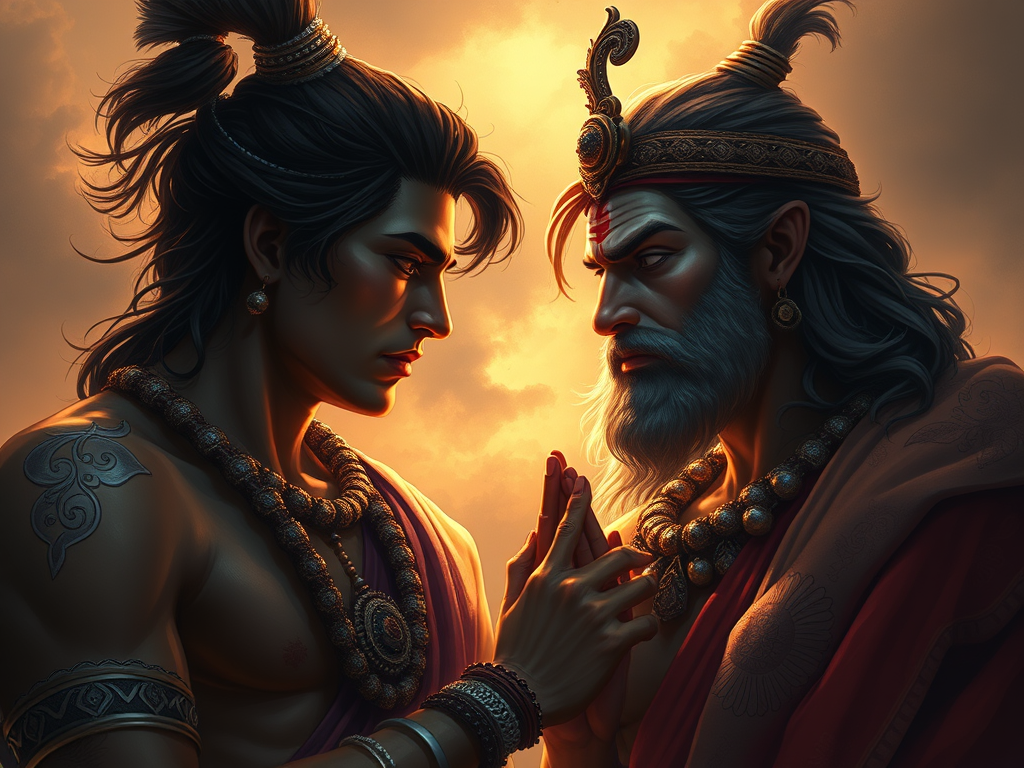
    The Bhagavad Gita unfolds on the battlefield of Kurukshetra, moments before a catastrophic civil war.

    Arjuna, a warrior, collapses under the weight of moral anguish.
    Across the battlefield stand his teachers, relatives, and friends.

    He lowers his weapon.

    At that moment, Krishna—revealed as the divine—does not console him with pacifism.

    He says:

    “Stand up. Fight.”

    This single command has unsettled readers for centuries.


    2. The Common Interpretation — and the Discomfort It Creates

    Modern spirituality often equates awakening with:

    • Gentleness
    • Nonviolence
    • Avoidance of conflict

    From this lens, Krishna’s command appears shocking—甚至 immoral.

    To soften the blow, many explanations insist:

    • The war is symbolic, not literal
    • Violence is regrettable but necessary
    • Krishna speaks only of inner struggle

    Yet an uncomfortable fact remains:

    The text does not avoid the reality of war.

    And readers feel it.


    3. Why This Teaching Seems Contradictory

    If spirituality means compassion, how can a divine figure command battle?

    History makes this question even sharper:

    • Religious violence
    • Holy wars
    • Moral justification of killing

    If the Gita endorses violence, it becomes dangerous.

    But if it does not, why is the command so explicit?

    To resolve this, we turn not to moral excuses—but to structural meaning.


    4. Divinatory Inquiry (Plum Blossom Divination)

    Question:
    Why did Krishna command Arjuna to fight?

    Date: January 2, 2026
    Location: Tokyo, Japan

    Hexagram: Heaven over Fire — Fellowship with Humanity, Top Line


    5. The Deeper Meaning Revealed

    This hexagram represents unity beyond personal emotion—alignment with a larger order.

    The top line signifies:

    Leaving private sentiment behind and acting in full responsibility.

    Krishna’s command was not:

    • “Hate your enemy”
    • “Glorify violence”
    • “Justify killing”

    It was:

    “Do not confuse personal attachment with virtue.”

    Arjuna’s hesitation appears compassionate—but structurally, it is avoidance.

    Krishna does not praise violence.

    He condemns escape disguised as morality.


    6. What “Fight” Means for Modern Life

    In contemporary terms, “fight” rarely means physical combat.

    It means:

    • Speaking when silence is safer
    • Confronting injustice rather than tolerating it
    • Accepting the cost of responsibility

    Nonviolence, when used to avoid accountability, becomes stagnation.

    Spirituality, in the Gita, is not softness.

    It is clarity under pressure.


    7. Why This Teaching Has Been Misunderstood

    The misunderstanding persists because:

    • Modern spirituality idealizes gentleness
    • Responsibility is uncomfortable
    • Conflict is feared

    But the Gita makes a sharper claim:

    True spirituality is not the absence of conflict.
    It is the refusal to abandon one’s role.

    Krishna’s “fight” is not a call to bloodshed.

    It is a demand to stand where you are needed, even when it hurts.

    That is why this verse still disturbs us.

    And why it still matters.
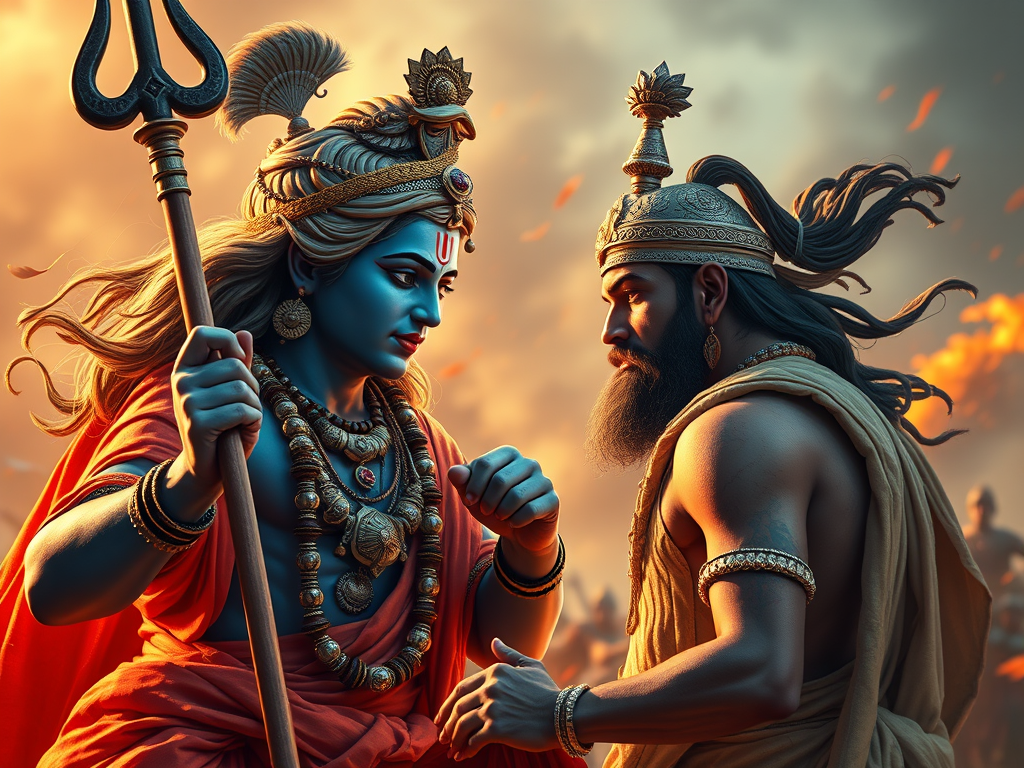
  • 「行為せよ、だが行為の果実を求めるな」は思考停止の教えなのか?― バガヴァッド・ギーターを梅花心易で読み解く


    1. バガヴァッド・ギーターとは何か(一般的な紹介)

    『バガヴァッド・ギーター』は、インド叙事詩『マハーバーラタ』の一部に挿入された、全18章・約700詩節から成る霊性哲学書である。

    戦場クルクシェートラを舞台に、戦うことを前にして苦悩する戦士アルジュナと、彼の御者として現れた神クリシュナとの対話形式で進行する。

    一般には、

    • 行為のヨーガ(カルマ・ヨーガ)
    • 知識のヨーガ(ジュニャーナ・ヨーガ)
    • 信愛のヨーガ(バクティ・ヨーガ)

    を統合的に説いた“人生の実践哲学書”と紹介されることが多い。

    中でも、現代でも頻繁に引用される有名な一句がある。

    「汝には行為する権利のみあり
    行為の果実に対する権利はない」

    この言葉は、自己啓発書、スピリチュアル書、ビジネス書に至るまで、実に幅広く使われてきた。

    だが同時に、こうした声も根強い。

    • 「それって努力を否定してないか?」
    • 「結果を考えるなって、無責任では?」
    • 「思考停止を美徳にしていないか?」

    この違和感は、実はかなり正確である。


    2. 一般的な解釈(+強烈な違和感)

    一般にこの句は、次のように説明される。

    • 結果を気にせず、目の前の行為に集中しなさい
    • 成功や失敗に執着せず、淡々と行為しなさい
    • 無欲であれ、期待するな、手放せ

    一見すると「大人の境地」「悟った態度」に見える。

    しかし、現代人がこれを文字通り受け取ると、次のような副作用が起きる。

    • 努力しても評価されないことを正当化する
    • 不当な扱いを「執着しない修行」として我慢する
    • 成果を求めること自体を“低次元”として切り捨てる

    つまり、

    行為はしろ。だが結果はどうでもいい。

    という、極端な自己否定・自己無効化へと滑りやすい。

    ここに、多くの人がうっすらと感じている違和感がある。

    「本当に、それが神の教えなのか?」


    3. なぜこの教えは意味不明に感じられるのか

    理由は明確である。

    ❌ 人間の行為構造と真っ向から矛盾するから

    人は、

    • 目的があるから行為する
    • 期待があるから努力する
    • 成果があるから継続できる

    この構造を無視して「果実を求めるな」と言われても、精神論として破綻している。

    さらに言えば、もしこの教えが

    「結果を一切求めるな」

    という意味ならば、

    • 農夫は収穫を期待せず種を蒔け
    • 医師は治癒を期待せず治療せよ
    • 戦士は勝利を期待せず戦え

    という、ほとんど狂気に近い思想になる。

    では、なぜギーターはこんな言葉を放ったのか。

    ここで、思想解釈を一度止め、梅花心易で真意を問う


    4. 梅花心易による立卦(日時・場所明示)

    占題
    「『行為せよ、だが行為の果実を求めるな』という教えの真意は何か」

    立卦日時
    2026年1月2日 午後15時30分

    場所
    東京都千代田区(晴)

    得卦
    風火家人(ふうか・かじん) 五爻


    5. 卦の象意からの真意鑑定

    風火家人 五爻の核心

    風火家人は、

    • 内側の秩序
    • 役割の正位
    • 家(システム)を保つ中心

    を象徴する卦である。

    そして五爻は、

    「中心に座し、私情を入れず、役割として行為する位」

    を意味する。

    ここで決定的に重要なのは、

    ❌「無欲」ではない

    ⭕「私欲を混ぜない」

    という点である。

    易的に言い換えると:

    行為は、私のためにするな
    役割のためにせよ

    つまりギーターが否定しているのは、

    • 成果そのもの
    • 報酬そのもの

    ではない。

    否定しているのは、

    「行為を、自己イメージ拡張の道具にすること」

    である。

    カルマ放棄の正体

    「果実を求めるな」とは、

    • 評価されたい
    • 認められたい
    • 自分が正しかったと証明したい

    という、エゴ的回収を放棄せよ、という意味だ。

    成果はあってよい。
    報酬もあってよい。
    結果も出てよい。

    だが、

    それを“自分の価値”と結びつけるな

    これが、卦が示す真意である。


    6. 現代人への具体的適用

    この解釈を現代に当てはめると、意味は一変する。

    ❌ 誤った適用

    • 「評価されなくても我慢しよう」
    • 「報われなくても執着しない修行だ」

    ⭕ 正しい適用

    • 「役割としてやる。評価は制度に任せる」
    • 「結果は受け取るが、自己同一化しない」

    具体例

    仕事の場合

    • 成果を出す
    • だが「俺がすごい」「私はダメだ」という自己像に絡めない

    人間関係の場合

    • 誠実に関わる
    • だが相手の反応で自己価値を測らない

    創作・発信の場合

    • 全力で書く
    • バズっても、バズらなくても、自分を膨らませない・潰さない

    これは思考停止どころか、極めて高度な精神操作である。


    7. 「だから誤解され続けてきた」まとめ

    『バガヴァッド・ギーター』のこの教えが誤解され続けてきた理由は明確だ。

    • 文言が強すぎる
    • 翻訳が説明不足
    • 易的・構造的理解が欠落している

    結果として、

    「結果を求めるのは未熟」
    「期待するのは執着」

    という、歪んだ禁欲主義が広まった。

    しかし梅花心易の象意が示すのは、真逆である。

    結果は受け取れ
    ただし、結果で自分を定義するな

    ギーターは、
    努力を否定していない。
    成果を否定していない。

    否定しているのは、

    “エゴが報酬を吸い上げる構造”そのもの

    なのである。

  • Is “Act, but Do Not Seek the Fruits of Action” a Teaching of Mental Surrender?

    — The True Meaning of Karma Renunciation Revealed Through Divination


    1. What Is the Bhagavad Gita?

    The Bhagavad Gita is one of the most influential spiritual texts in human history.
    Embedded within the Indian epic Mahabharata, it takes the form of a dialogue between the warrior Arjuna and the divine charioteer Krishna on the battlefield of Kurukshetra.

    Often described as a synthesis of:

    • Karma Yoga (the path of action)
    • Jnana Yoga (the path of knowledge)
    • Bhakti Yoga (the path of devotion)

    the Gita is widely read as a manual for living a meaningful life.

    Among its most frequently quoted verses is the famous line:

    “You have the right to action alone,
    never to its fruits.”

    This sentence appears everywhere—from spiritual teachings to self-help books and leadership seminars.

    Yet many people feel an unspoken discomfort.

    • Does this mean we should not care about results?
    • Is effort without expectation truly human?
    • Does this teaching subtly encourage passivity?

    These doubts are not misunderstandings.
    They point directly to a long-standing misinterpretation.


    2. The Common Interpretation — and Why It Feels Wrong

    The verse is usually explained like this:

    • Focus on action, not outcomes
    • Let go of attachment to success or failure
    • Do your duty without expectation

    At first glance, this sounds wise and mature.

    But when taken literally, it often leads to unintended consequences:

    • Enduring exploitation under the banner of “non-attachment”
    • Suppressing ambition and healthy desire
    • Spiritualizing resignation and helplessness

    In practice, it turns into:

    “Act, but do not care.”

    And that feels fundamentally incompatible with human psychology.

    So we must ask:

    Is the Gita really teaching emotional numbness and intellectual surrender?


    3. Why This Teaching Appears Contradictory

    Human action is inherently goal-oriented.

    • We act because we expect outcomes
    • We strive because results matter
    • We continue because feedback sustains us

    If “do not seek the fruits” meant do not value results at all, then:

    • Farmers should plant without expecting harvest
    • Doctors should treat without caring about recovery
    • Warriors should fight without aiming for victory

    Such logic collapses immediately.

    Therefore, the literal reading cannot be the true intention.

    At this point, instead of philosophical speculation, we turn to divinatory insight—to ask what this teaching actually targets.


    4. Divinatory Inquiry (Plum Blossom Divination)

    Question:
    What is the true meaning of “Act, but do not seek the fruits of action”?

    Date: January 2, 2026
    Location: Tokyo, Japan
    Resulting Hexagram: Wind over Fire — The Family, Fifth Line


    5. The Hidden Meaning Revealed

    In classical divinatory symbolism, this hexagram represents:

    • Inner order
    • Correct roles
    • Action performed from position, not ego

    The fifth line specifically refers to:

    Acting from central responsibility, free from personal agenda.

    This changes everything.

    The teaching is not about abandoning results.
    It is about not binding your identity to the results.

    The “fruit” being renounced is not success, reward, or outcome.

    It is egoic ownership.

    In other words:

    Do not turn outcomes into proof of your worth.

    Achievements may come.
    Rewards may come.
    Recognition may come.

    But the Gita warns against absorbing them into the self-image.

    This is not passivity.
    It is psychological sovereignty.


    6. Practical Application for Modern Life

    ❌ Misapplication

    • “I shouldn’t care if my work is valued.”
    • “Suffering without reward is spiritual.”

    ⭕ Correct Application

    • “I act fully. Outcomes belong to the system.”
    • “Results inform me, but do not define me.”

    In work:
    Deliver excellence without becoming inflated or crushed by evaluation.

    In relationships:
    Act sincerely without measuring your worth by others’ responses.

    In creative expression:
    Create fully without attaching your identity to likes, shares, or recognition.

    This is not detachment from life.
    It is detachment from self-distortion.


    7. Why This Teaching Has Been Misunderstood for Centuries

    The misunderstanding persists because:

    • The language is intentionally sharp
    • Translations are incomplete
    • Structural understanding is rarely taught

    As a result, the teaching mutated into a doctrine of emotional suppression.

    But its true message is far more radical:

    Receive results.
    Refuse identity entanglement.

    The Bhagavad Gita does not reject effort.
    It does not reject success.

    It rejects the psychological mechanism that turns results into ego.

    That is the real meaning of karma renunciation.

  • 三位一体は「観察者・対象・場」で説明できる

    ――非二元の構造が、ここで最も美しく落ちる

    梅花心易による象意解読


    はじめに──三位一体は「難解な教義」なのか?

    キリスト教最大の難問として知られる三位一体

    • 父なる神
    • 子なるキリスト
    • 聖霊

    三つで一つ、一つで三つ──
    説明されればされるほど分からなくなるこの概念は、
    しばしば「信じるしかない神秘」として扱われてきた。

    だが梅花心易の視点に立つと、
    三位一体は信仰のパラドックスではない。

    それはむしろ、

    意識が世界を成立させるための
    最小構造を、極めて正確に言語化したモデル

    として浮かび上がってくる。

    本稿では、三位一体を

    • 観察者(Observer)
    • 対象(Observed)
    • 場(Field)

    という意識構造モデルとして再解釈し、
    なぜこれが非二元の完成形なのかを読み解いていく。


    1.梅花心易における「三」という数の意味

    まず重要なのは「三」という数だ。

    梅花心易では、

    • 一=未分化(太極)
    • 二=分離(陰陽)
    • 三=関係性の成立

    と読む。

    二の段階では、
    世界は「私とそれ」「主観と客観」に分裂する。

    しかし三が立ち上がった瞬間、

    分離していた二者を包む
    “関係そのもの”が出現する

    ここで初めて、
    世界は「固定物」ではなく動的構造になる。

    三位一体が「三」でなければならなかった理由は、
    まさにここにある。


    2.父=観察者(Observer)

    三位一体における父なる神は、
    創造主・超越者として語られる。

    だが梅花心易的に見ると、
    父は人格神ではない。

    それは、

    あらゆる現象を
    “見ている位置”そのもの

    である。

    つまり父とは、

    • 行為しない
    • 変化しない
    • 対象化されない

    純粋な観察点

    意識研究の言葉で言えば、
    「気づいているという事実」そのものだ。

    父なる神は、
    世界の外にいるのではない。

    世界が現れるための
    視点そのもの

    として存在している。


    3.子=対象(Observed)

    次に子なるキリスト

    神が「人となった存在」と説明されるが、
    ここに最大のヒントがある。

    子とは、

    観察される側に現れた神

    すなわち、

    • 形を持ち
    • 物語を持ち
    • 時間の中に現れ

    対象化された意識である。

    梅花心易では、
    これは「象が形を取った状態」。

    重要なのは、
    子は父から分離した存在ではない点だ。

    同じ意識が、
    対象側に現れた相

    それが「子」である。


    4.聖霊=場(Field)

    三位一体理解の鍵は、
    実は聖霊にある。

    聖霊は、

    • 霊感

    など、捉えどころのない表現で語られる。

    これは偶然ではない。

    聖霊とは、

    観察者と対象を
    分離させずに結びつけている“場”

    だからだ。

    現代的に言えば、

    • 意識フィールド
    • 情報場
    • 関係性の空間

    聖霊は「何か」ではない。
    起き続けている関係性そのものである。


    5.三位一体=非二元の完成形

    ここで三つを並べてみよう。

    三位一体意識構造
    観察者
    対象
    聖霊

    この三つは、
    どれか一つでも欠けると世界が成立しない。

    • 観察者だけでは、世界は現れない
    • 対象だけでは、意味が生じない
    • 場がなければ、関係が断絶する

    そして重要なのは、

    三つは分かれて存在しているのではなく、
    一つのプロセスを三方向から見ているだけ

    という点だ。

    これが非二元である。


    6.なぜ三位一体は「理解しにくい」のか

    三位一体が難解に感じられる理由は単純だ。

    私たちが普段、

    「モノとして考えようとする」

    からである。

    だが三位一体は、

    • 物の説明ではない
    • 人格の説明でもない

    構造の説明なのだ。

    梅花心易で言えば、
    これは「卦そのもの」を説明している。

    理解しようとすると崩れ、
    体感すると自然に分かる


    7.イエスが「父と私は一つ」と言った意味

    イエスは言った。

    「父と私は一つである」

    これは神格宣言ではない。

    梅花心易的に読めば、

    観察者と対象が
    場において分離していない状態

    を、そのまま述べた言葉だ。

    だからイエスは、

    • 特別な存在
    • 唯一の神

    である必要はない。

    彼は、

    人間が到達しうる
    非二元意識の実例

    だった。


    結び──三位一体は「信じるもの」ではない

    三位一体は、

    • 難解な教義でも
    • 神学者のパズルでもない

    それは、

    世界がどのように成立しているかを
    最も簡潔に示した意識構造図

    である。

    そしてそれは今、

    • 非二元哲学
    • 意識研究
    • 量子的世界観

    と、自然に接続し始めている。

    三位一体は、
    過去の神秘ではない。

    今ここで、
    あなたの意識が世界を生み出している
    その“構造名”

    なのである。

  • The Trinity Explained as Observer, Observed, and Field

    How Non-Dual Structure Resolves One of Christianity’s Greatest Paradoxes

    A Meihua Xin-Yi Interpretation


    Introduction — Is the Trinity Really a Theological Paradox?

    The doctrine of the Trinity has long been considered one of Christianity’s greatest mysteries.

    • God the Father
    • God the Son
    • God the Holy Spirit

    Three, yet one.
    One, yet three.

    For centuries, this formulation has been framed as a paradox to be accepted by faith rather than understood.

    But from the perspective of Meihua Xin-Yi—a system that reads reality through symbolic structure rather than belief—the Trinity is not a theological riddle.

    It is something far more precise:

    A structural model of how consciousness gives rise to reality itself.

    In this article, the Trinity is reinterpreted as:

    • Observer
    • Observed
    • Field

    Through this lens, the Trinity becomes not only intelligible, but the most elegant articulation of non-dual awareness ever encoded in religious language.


    1. Why “Three”? The Structural Necessity of Relationship

    In Meihua Xin-Yi, numbers are not quantities; they are states of emergence.

    • One → undifferentiated unity
    • Two → division (subject / object)
    • Three → relationship

    With two, separation exists.
    With three, dynamic reality begins.

    The third element is not an addition—it is the relational field that allows two to interact without collapsing into opposition.

    This is why the Trinity must be three.
    Not symbolically—but structurally.


    2. The Father as the Observer

    In Christian theology, the Father is described as transcendent, invisible, and unchanging.

    Structurally, this corresponds not to a person, but to a position:

    The point of observation itself.

    The Father is:

    • not an object
    • not an action
    • not a form

    In consciousness studies, this is known as pure awareness—the fact that experience is happening at all.

    The Father does not “create” by acting.
    Creation occurs because there is a viewpoint from which reality appears.

    The Father is not outside the world.

    The Father is the condition that allows the world to appear.


    3. The Son as the Observed

    The Son, described as God incarnate, provides the second pole.

    If the Father is awareness-as-source,
    the Son is awareness appearing as form.

    The Son is:

    • embodied
    • visible
    • temporal
    • narrative-bound

    In Meihua Xin-Yi terms, this is —form arising within awareness.

    Crucially, the Son is not separate from the Father.

    The same awareness that observes
    appears as what is observed.

    This is why “the Word became flesh” is not metaphorical—it is structural.


    4. The Holy Spirit as the Field

    The most misunderstood element of the Trinity is the Holy Spirit.

    It is described as:

    • wind
    • fire
    • breath
    • inspiration

    These descriptions are intentionally elusive.

    Why?

    Because the Holy Spirit is not an entity.

    It is:

    The relational field that binds observer and observed into a single process.

    In modern terms:

    • consciousness field
    • informational space
    • relational coherence

    Without this field:

    • observer and object collapse into separation
    • meaning disintegrates
    • experience fragments

    The Holy Spirit is not “something.”
    It is what is happening between.


    5. The Trinity as a Non-Dual Structure

    Placed together, the structure becomes clear:

    TrinityConsciousness Structure
    FatherObserver
    SonObserved
    Holy SpiritField

    These are not three beings.

    They are three perspectives on a single process.

    Non-duality does not deny distinction—it denies separation.

    The Trinity expresses non-duality not philosophically, but experientially.


    6. Why the Trinity Is Difficult to Understand

    The Trinity becomes confusing only when we attempt to treat it as a description of objects.

    It is not.

    It is a description of process.

    Like a wave:

    • crest
    • trough
    • movement

    Trying to isolate one destroys the whole.

    The Trinity cannot be grasped conceptually.
    It can only be recognized structurally.


    7. “The Father and I Are One” — Revisited

    When Jesus says:

    “I and the Father are one,”

    this is not a claim of superiority or exclusivity.

    It is a statement of non-dual realization:

    The observer and the observed
    are not separate within the field.

    Jesus was not asserting divinity over humanity.

    He was demonstrating what humanity becomes when duality dissolves.


    Conclusion — The Trinity Is Not Something to Believe

    The Trinity is not a doctrine to defend.

    It is:

    A map of how reality arises in consciousness.

    Long before neuroscience, phenomenology, or quantum observation theory,
    this structure was encoded in theological language.

    The Trinity is not obsolete.

    It is increasingly relevant—because it describes what is happening right now:

    You, observing the world.
    The world, appearing to you.
    The field, in which neither is separate.

    That structure has always had a name.

    The Trinity.

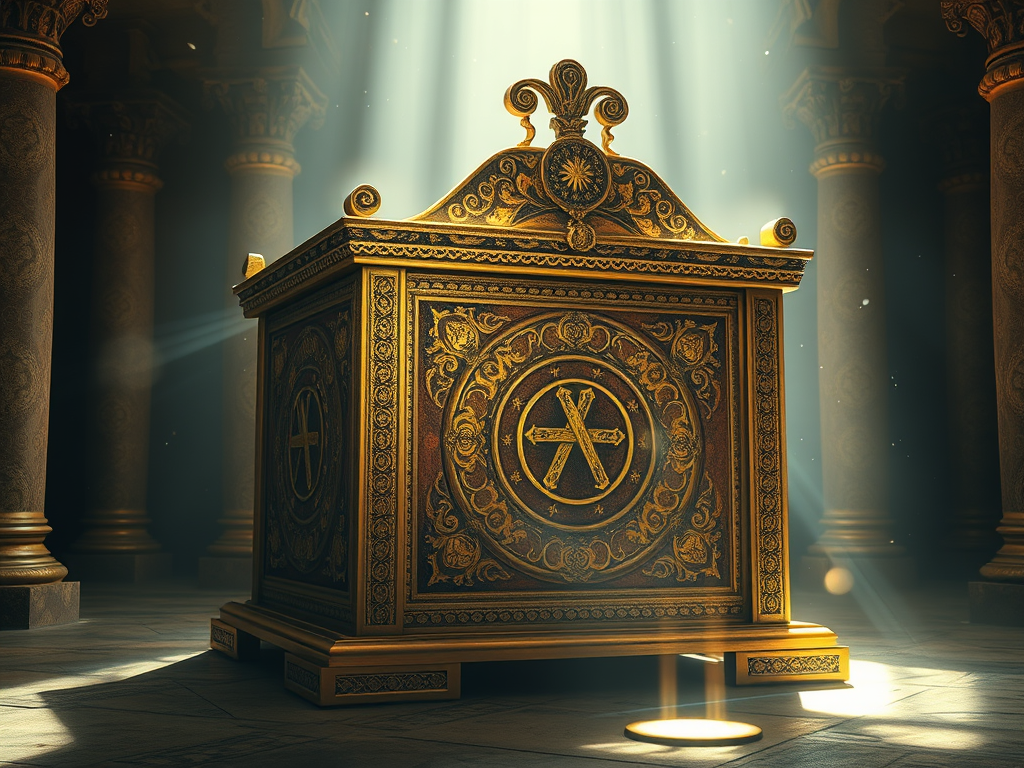
  • アーク(契約の箱)は周波数装置だったのか?

    ――古代神殿に置かれた“実験的装置”という仮説

    梅花心易による象意解読


    はじめに──「触れると死ぬ箱」という異常性

    旧約聖書に登場するアーク(契約の箱)は、
    聖なる象徴として語られる一方で、極めて奇妙な性質を持つ。

    • 無許可で触れた者が即死する
    • 運搬方法が厳密に規定されている
    • 特定の場所(至聖所)にのみ安置される
    • 雲・光・声といった現象が伴う

    これを単なる「宗教的神話」として片付けるには、
    挙動があまりにも物理的すぎる

    梅花心易の視点に立つと、
    ここで問うべきは「信じるか否か」ではない。

    この箱は、
    どのような“構造的役割”を果たしていたのか?

    本稿では、
    アークを周波数装置(resonance device)として再解釈し、
    古代神殿が“実験空間”であった可能性を読み解いていく。


    1.梅花心易で読む「箱」という象

    まず「箱」という象から見よう。

    梅花心易において、
    箱・器・容器は共通して、

    「場を隔離し、条件を固定する構造」

    を意味する。

    箱とは収納ではない。
    内部と外部を明確に分離するための構造体だ。

    アークは、

    • 金で覆われ
    • 厚い木材で構成され
    • 蓋(贖いの座)で完全に密閉され

    内部の状態を、
    外界から遮断・安定化している。

    これは象意的に見ても、
    「単なる象徴物」ではなく、

    内部で何かが“起きる”ことを前提とした構造

    である。


    2.素材が示すもの──金・木・寸法の意味

    聖書は、アークの素材と寸法を異様なほど詳細に記す。

    • 内外を覆う純金
    • アカシア材
    • 正確な比率
    • 環と棒による非接触搬送

    梅花心易では、
    素材と数値は象の言語だ。

    ■ 金

    金は、腐食しない・導電性が高い・安定している。
    象意的には、

    情報・エネルギーを歪めず伝える媒体

    を意味する。

    ■ 木(アカシア)

    生体性・絶縁性・成長性。
    これは、

    生命場と物質場を媒介する素材

    の象。

    ■ 厳密な寸法

    偶然ではない。
    これは、

    共鳴条件(周波数特性)を固定するため

    と読むのが自然だ。


    3.「触れると死ぬ」現象の再解釈

    アークに触れて死んだ者がいる、という記述は、
    道徳的罰として説明されがちだ。

    だが梅花心易では、
    これは倫理の話ではない

    それは、

    適切な位相・条件を持たない者が
    高密度の場に侵入した結果

    と読む。

    現代で言えば、

    • 高電圧装置
    • 強磁場
    • 高出力マイクロ波

    に無防備で接触したようなものだ。

    アークは「怒った」のではない。
    反応しただけである。


    4.神殿は「礼拝所」ではなく「実験場」だった?

    ここで視点を拡張しよう。

    アークは、
    単独で置かれていたわけではない。

    • 神殿構造
    • 至聖所の配置
    • 音楽(角笛・詠唱)
    • 香・衣装・時間規定

    これらはすべて、

    場の条件を精密に整えるための要素

    として読むことができる。

    梅花心易的に言えば、
    神殿とは「祈る場所」ではなく、

    意識と環境を同期させるための
    周波数調整空間

    である。

    アークはその中核装置だった可能性が高い。


    5.アークは何を“発振”していたのか

    では、アークは何をしていたのか。

    候補は三つある。

    1. 電磁的共鳴
    2. 音響的共鳴(詠唱・角笛)
    3. 意識場との相互作用

    梅花心易では、
    これらは別物ではない。

    すべては「同一の象」の異なる表現

    だ。

    つまりアークは、

    • 物理的周波数
    • 神経系の同期
    • 集団意識の位相

    一点に収束させる装置だった。

    それゆえ、

    • 神の声が「聞こえ」
    • 光が「現れ」
    • 人が「変容」した

    と記録された。


    6.なぜアークは消えたのか

    最後に最も重要な問いに触れよう。

    なぜアークは失われたのか?

    梅花心易の答えは明確だ。

    装置だけが残っても、
    それを扱える意識構造が失われたから

    である。

    高度な装置は、
    未熟な使用者にとっては危険物になる。

    だからアークは、

    • 隠された
    • 失われた
    • 伝説化された

    それは破壊ではなく、
    安全装置としての消失だった。


    結び──アークは「過去の遺物」ではない

    アーク(契約の箱)は、

    • 神話の小道具でも
    • 奇跡製造機でもない

    それは、

    意識・環境・物質が
    同期したときに何が起きるかを
    実験した“装置的思想”

    その象徴である。

    現代は再び、

    • 周波数
    • 共鳴
    • 意識と物質の相互作用

    を扱い始めている。

    アークは消えたのではない。

    まだ、早すぎるだけなのだ。

  • Was the Ark of the Covenant a Frequency Device?

    The Hypothesis of the Ancient Temple as an Experimental System

    A Meihua Xin-Yi Interpretation


    Introduction — A Box That Kills on Contact

    The Ark of the Covenant occupies a strange position in the Hebrew Bible.

    It is described as sacred, yet dangerously physical.

    • Unauthorized contact leads to instant death
    • Transportation procedures are strictly regulated
    • It is confined to a highly controlled space (the Holy of Holies)
    • It is accompanied by light, sound, cloud, and voice

    If this were purely symbolic religion, the descriptions would be unnecessarily technical.

    From a Meihua Xin-Yi perspective, the key question is not belief, but structure:

    What functional role did the Ark actually play?

    This article explores the Ark as a resonance-based device,
    and the ancient temple as a controlled experimental environment rather than a mere site of worship.


    1. The Symbolism of the “Box” in Meihua Xin-Yi

    In Meihua Xin-Yi, containers—boxes, vessels, chambers—share a common meaning:

    They isolate a field and stabilize conditions.

    A box is not for storage.
    It is for separation.

    The Ark is:

    • sealed
    • internally and externally overlaid with gold
    • structurally insulated from direct human contact

    Symbolically, this suggests:

    An interior process requiring environmental isolation.

    In other words, the Ark presupposes activity within, not passive symbolism.


    2. Materials and Measurements — Engineering Disguised as Ritual

    The biblical text is unusually precise about the Ark’s construction:

    • acacia wood core
    • pure gold overlay
    • exact dimensions
    • rings and poles enabling non-contact transport

    In Meihua Xin-Yi, materials and numbers are a technical language.

    Gold

    Corrosion-resistant, conductive, stable.
    Symbolically:

    A medium that transmits energy or information without distortion.

    Wood (Acacia)

    Organic, insulating, living.
    Symbolically:

    An interface between biological systems and physical fields.

    Precise Dimensions

    Not decoration.

    Resonance conditions require fixed ratios.

    Together, these elements suggest not metaphor, but functional intent.


    3. “Touching the Ark Causes Death” — A Structural Explanation

    The deaths associated with touching the Ark are often framed as divine punishment.

    Meihua Xin-Yi rejects moralized explanations when physical patterns are evident.

    A structural reading suggests:

    A human body entering a high-intensity field without proper phase alignment.

    Modern parallels include:

    • high-voltage systems
    • strong electromagnetic fields
    • intense acoustic resonance chambers

    The Ark does not “judge.”
    It reacts.


    4. The Temple as an Experimental Environment

    The Ark did not operate in isolation.

    It was embedded in a system:

    • architectural geometry
    • layered spatial access
    • ritual sound (shofar, chant)
    • incense and clothing
    • precise timing protocols

    These are not devotional flourishes.

    From a Meihua Xin-Yi standpoint, they function as:

    Environmental tuning parameters.

    The temple, then, was not merely a place to pray.

    It was a controlled resonance chamber,
    with the Ark as its central apparatus.


    5. What Was the Ark Actually Doing?

    Three interacting domains emerge:

    1. Electromagnetic resonance
    2. Acoustic resonance (chant, horn, vibration)
    3. Human neural synchronization

    Meihua Xin-Yi treats these not as separate phenomena, but as expressions of a single structural principle.

    The Ark likely functioned to:

    Collapse physical frequency, biological rhythm, and collective consciousness into a shared phase state.

    In such a condition:

    • “voices” are heard
    • light phenomena occur
    • altered states of consciousness are reported

    These effects require no mythology—only resonance.


    6. Why the Ark Disappeared

    The final question is unavoidable:

    Why was the Ark lost?

    The Meihua Xin-Yi answer is direct:

    Because the device outlived the consciousness capable of operating it.

    Advanced systems are dangerous without corresponding awareness.

    The Ark was not destroyed—it was withdrawn:

    • hidden
    • removed from use
    • transformed into legend

    This was not loss, but fail-safe containment.


    Conclusion — The Ark as a Prototype, Not a Relic

    The Ark of the Covenant was not:

    • a magical artifact
    • a mythological prop
    • a supernatural punishment machine

    It represents:

    An early attempt to explore how consciousness, environment, and physical resonance interact.

    Modern science is once again approaching this territory:

    • frequency-based medicine
    • neural entrainment
    • collective coherence research

    The Ark did not vanish.

    Humanity simply stepped back from the threshold.

  • モーセは何を“見て”十戒を受け取ったのか?

    ――ヴィジョンとは啓示ではなく「神経回路の上書き」である

    梅花心易による象意解読


    はじめに──「石板に刻まれた掟」という誤解

    モーセがシナイ山で十戒を授かった――
    この場面は、旧約聖書の中でも最も象徴的なエピソードの一つだ。

    一般的にはこう理解されている。

    • 神が言葉を与え
    • モーセがそれを聞き
    • 石の板に刻んだ

    だが、この理解には決定的な違和感がある。

    なぜなら、
    十戒は単なる「言語情報」にしては、人類史に与えた影響が大きすぎるからだ。

    梅花心易の視点に立つと、
    ここで起きたのは「命令の伝達」ではない。

    ある種の“ヴィジョン体験”による
    意識構造そのものの書き換え

    である。

    本稿では、

    • モーセは何を“見た”のか
    • なぜそれが「律法」として定着したのか
    • それが人間の神経・意識構造とどう関係するのか

    を、梅花心易 × 意識構造論として読み解いていく。


    1.梅花心易における「見る」とは何か

    まず前提を押さえよう。

    梅花心易において
    「見る(観る)」とは、視覚情報を得ることではない。

    それは、

    • 世界の構造が
    • 一瞬で“型”として把握され
    • 主体の内部に固定される

    という構造的知覚を指す。

    易で言えば、
    これは「卦を読む」のではなく、
    卦そのものになる感覚に近い。

    モーセが経験したのは、
    音声メッセージでも、思考でもない。

    世界が“そうである”という配置そのものを
    一気に観てしまった状態
    だ。


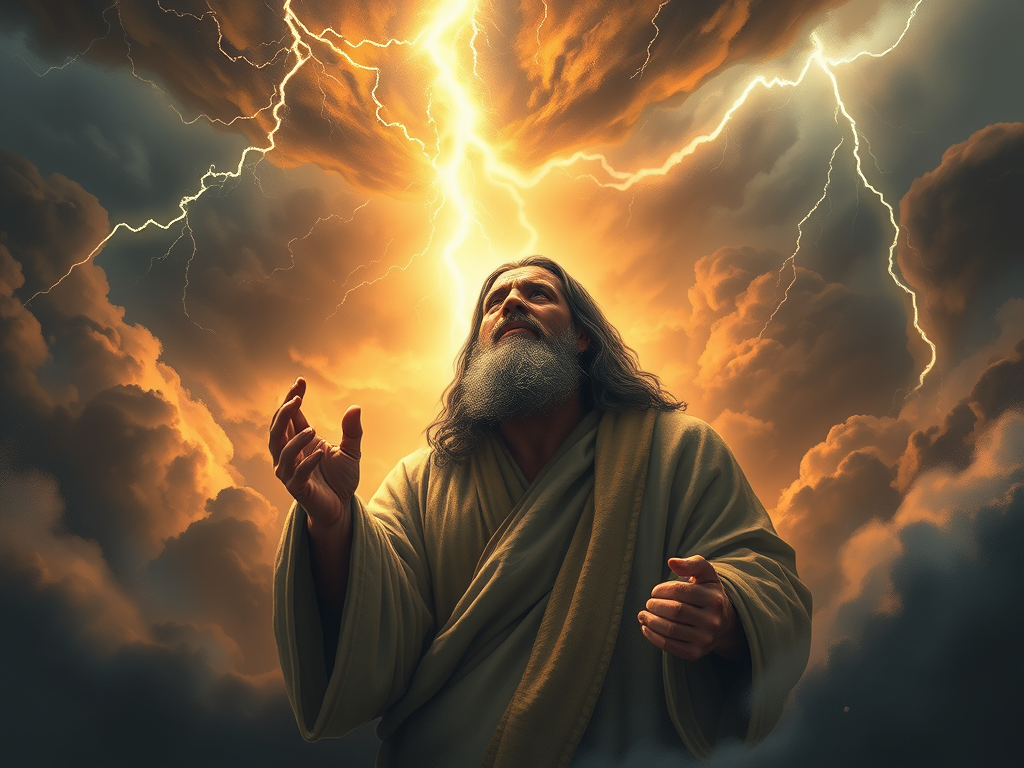
    2.「雷」「雲」「火」──シナイ山の描写が示すもの

    聖書は、シナイ山の場面をこう描写する。

    • 雷鳴
    • 稲妻
    • 濃い雲
    • 山を覆う火
    • 激しい震動

    これを自然現象や演出として読むと、
    本質を見誤る。

    梅花心易では、
    この描写は意識状態の変化を示す象として読む。

    • 雷=神経系の急激な同期
    • 火=意識エネルギーの過剰流入
    • 雲=通常認識の遮断
    • 震動=自己構造の不安定化

    つまりこれは、

    通常の自我意識が一時的に崩壊し、
    別の認識層が前景化した状態

    を示している。

    言い換えれば、
    モーセの神経回路が“強制的に再配線された”瞬間である。


    3.十戒は「教え」ではなく「固定化されたヴィジョン」

    ここで決定的な転換点がある。

    十戒は、

    • 善悪のルール
    • 社会秩序の規範

    として理解されてきた。

    だが梅花心易では、
    十戒は倫理のリストではない

    それは、

    ある特定の世界観・人間観が
    神経レベルで固定化された結果

    である。

    たとえば、

    • 「殺すな」
    • 「盗むな」
    • 「偽証するな」

    これらは思考で守る規則ではない。

    それ以前に、

    “そうすると世界が壊れる”という
    構造理解が、身体感覚として刻まれている

    状態を示す。

    だから十戒は、
    説得や議論ではなく、
    絶対命令の形を取る

    それは命令だからではない。
    他の選択肢が“見えなくなった”からだ。


    4.なぜ「石板」だったのか

    ここで象徴的なのが「石板」である。

    石は、

    • 変化しない
    • 書き換えにくい
    • 長期保存される

    という性質を持つ。

    梅花心易では、
    石は「固定化された象」の代表だ。

    つまり石板とは、

    可塑性を失った神経回路の象徴

    である。

    一度そのヴィジョンを見たモーセにとって、
    世界はもはや以前と同じには見えない。

    それを社会に伝えるには、
    柔らかい言葉や物語では足りなかった

    だから石板という
    “変えられない媒体”が必要だった。


    5.ヴィジョンが「律法」になるときの危うさ

    ここで重要な点がある。

    モーセ個人に起きたヴィジョン体験は、
    本来、生きた認識だった。

    しかしそれが集団に共有されるとき、
    必ず次の変化が起こる。

    • ヴィジョン → 教義
    • 体感 → ルール
    • 認識 → 服従

    梅花心易では、
    これを「象が死ぬ」と表現する。

    十戒が力を持ったのは、
    それが神経レベルの理解を起源にしていたからだ。

    同時に、
    それが「絶対化」された瞬間から、
    生きた更新性を失った


    6.梅花心易による結論──モーセは何を見たのか

    結論を述べよう。

    モーセは何を“見て”十戒を受け取ったのか?

    梅花心易の答えはこうだ。

    彼は「神の言葉」を聞いたのではない。
    「世界が崩れずに存在する最小構造」を見た。

    その構造は、

    • 人間が人間であり続けるための下限
    • 集団が崩壊しないための臨界ライン

    を示していた。

    それを“神”と呼ぶかどうかは二次的だ。

    重要なのは、

    それが思考ではなく、
    神経回路として刻まれたヴィジョンだった

    という点である。


    結び──十戒は「古代の掟」ではない

    十戒は、
    古代人を縛るための宗教ルールではない。

    それは、

    人間の認識が
    あるラインを越えると
    世界が成立しなくなるという警告

    を、
    最も強固な形で保存したものだ。

    そしてそれは今も、

    • AI
    • 権力
    • 欲望
    • 集団操作

    によって再び試されている。

    モーセが見たものは、
    過去の神ではない。

    今まさに、私たちが再び直面している
    「越えてはならない構造線」そのもの
    なのである。

  • Was Saint Germain the Same Being as the Apostle John?

    The Concept of a Consciousness Continuum That Transcends Time

    A Meihua Xin-Yi Interpretation


    Introduction — Why Is Saint Germain So Difficult to Pin Down?

    In 18th-century Europe, a mysterious figure appeared among royalty, philosophers, alchemists, and mystics:
    the Count of Saint Germain.

    He seemed ageless.
    He spoke of centuries past as personal memory.
    He mastered languages, arts, politics, and esoteric sciences with unnatural ease.
    And most curiously, his death was reported multiple times—yet never conclusively confirmed.

    Within esoteric traditions, a provocative question has persisted:

    Was Saint Germain the same being as the Apostle John?

    At first glance, this appears to be speculative mysticism or reincarnation lore.
    However, through the lens of Meihua Xin-Yi, this question becomes structural rather than sensational.

    This article explores:

    • The symbolic common ground between Saint Germain and the Apostle John
    • Why reincarnation theory alone fails to explain the parallels
    • The idea of a consciousness continuum—an awareness that persists beyond time, identity, and form

    1. The Apostle John as an Anomalous Figure

    Among the disciples of Jesus, John stands apart.

    He is described as:

    • “the disciple whom Jesus loved”
    • the longest-living apostle
    • the author of the Gospel of John and Revelation
    • a figure rumored not to die

    Most importantly, the texture of John’s writings is unlike that of the other apostles.

    The Gospel of John is not primarily moral or legal.
    It is ontological.

    • Not commandments, but Logos
    • Not rules, but light and being
    • Not historical narration, but consciousness language

    From a Meihua Xin-Yi perspective, John is not a man of action but a holder of the central symbolic axis.


    2. Saint Germain as a Figure Outside of Time

    Saint Germain exhibits a strikingly similar pattern.

    Accounts consistently describe him as:

    • unaffiliated with nation or religion
    • origin unknown
    • untraceable within linear chronology
    • capable of assuming roles without identity attachment

    In Meihua Xin-Yi symbolism, this reflects a state where:

    the body moves through time,
    but the central phase of consciousness remains unchanged

    This is not ordinary longevity.
    It is the behavior of awareness that is no longer governed by linear time.


    3. Why Reincarnation Theory Falls Short

    Many attempt to explain the Saint Germain–John connection through reincarnation.

    However, reincarnation alone cannot account for several key features:

    • continuity of memory
    • absence of ego regression
    • lack of a re-learning or re-training phase

    In Meihua Xin-Yi terms, this is not the pattern of a soul that “starts over.”

    It is the pattern of:

    a continuous center of awareness
    that never loses coherence

    This is what we call a consciousness continuum.


    4. What Is a Consciousness Continuum?

    A consciousness continuum is a state in which:

    • bodies change
    • names change
    • eras change
    • roles change

    but the central subjective awareness remains uninterrupted.

    In Meihua Xin-Yi, this is expressed as:

    “The center remains; the forms transform.”

    Within this state:

    • death is a phase transition, not an endpoint
    • memory is held in the field of awareness, not the brain
    • time is perceived as layered, not linear

    To observers embedded in linear time, such a being appears immortal, elusive, or mythical.

    This explains why:

    • John was rumored not to die
    • Saint Germain was repeatedly reported dead—yet reappeared

    They are observations of the same structural phenomenon.


    5. Revelation and Saint Germain: A Shared Function

    The Book of Revelation is often read as prophecy or apocalyptic warning.

    Structurally, however, it is a map of consciousness transformation across levels.

    Saint Germain, in esoteric history, appears repeatedly at moments of civilizational transition:

    • advising kings
    • warning political systems
    • introducing symbolic knowledge

    In Meihua Xin-Yi, this role corresponds to:

    the central stabilizer who appears at the moment before a structural shift

    Both John and Saint Germain function not as rulers, but as threshold witnesses
    figures who remain centered while the surrounding system transforms.


    6. Conclusion — Same Person, or Same Phase?

    So, was Saint Germain the same being as the Apostle John?

    Meihua Xin-Yi offers a precise answer:

    Not provably the same historical person.
    But very likely the same consciousness continuum.

    This is not identity of body, soul fragment, or narrative biography.

    It is identity of phase
    a continuous central awareness expressing itself through different historical forms.


    Final Reflection — Why This Idea Resonates Now

    This question resonates today because modern humans are beginning to sense something profound:

    • identity is not confined to biography
    • time is not as rigid as assumed
    • consciousness may not reset as completely as once believed

    Saint Germain and the Apostle John are extreme examples—but they point to a universal inquiry:

    How continuous can consciousness become?
    And how free from time might awareness ultimately be?

    This is not merely about saints or mystics.

    It is about the latent potential of human consciousness itself.

  • What Did Moses Actually “See” When He Received the Ten Commandments?

    From Vision to Neural Rewriting

    A Meihua Xin-Yi Interpretation


    Introduction — The Misconception of the Ten Commandments as Mere Laws

    The story is familiar.

    Moses ascends Mount Sinai.
    God speaks.
    Stone tablets are carved.
    The Ten Commandments are delivered to humanity.

    This narrative is usually understood as a transfer of rules
    divine speech translated into moral law.

    Yet this interpretation leaves a crucial question unanswered:

    Why did these words shape human civilization so profoundly, for so long?

    From the perspective of Meihua Xin-Yi, an ancient system of symbolic and structural interpretation, what occurred on Mount Sinai was not simply the reception of verbal commandments.

    It was a visionary event
    one that reconfigured Moses’ perceptual and neural structure itself.

    This article explores:

    • What Moses actually saw
    • Why the experience could not remain personal
    • How a vision becomes law when consciousness is neurologically overwritten

    1. What “Seeing” Means in Meihua Xin-Yi

    In Meihua Xin-Yi, “seeing” does not refer to visual imagery alone.

    To see means:

    • to apprehend structure directly,
    • to grasp reality as an integrated pattern,
    • to internalize that pattern so completely that it becomes non-negotiable.

    This is not observation.
    It is structural perception.

    In modern terms, we might say:

    the perceptual framework itself is rewritten.

    Moses did not receive information.
    He underwent a state change in consciousness.


    2. Thunder, Fire, and Cloud — Symbolism of Neural Overload

    The biblical description of Mount Sinai is dramatic:

    • thunder
    • lightning
    • thick cloud
    • fire
    • violent trembling

    Read literally, these appear as theatrical divine manifestations.

    Read symbolically, they map precisely onto extreme altered states of consciousness.

    In Meihua Xin-Yi symbolism:

    • Thunder → sudden large-scale neural synchronization
    • Fire → intense influx of cognitive-emotional energy
    • Cloud → suppression of ordinary sensory processing
    • Trembling → destabilization of the egoic self-model

    In other words:

    Moses’ usual identity framework temporarily collapsed,
    allowing a deeper structural layer of reality to be perceived.

    This is not metaphorical.
    It is a description of neural reorganization under visionary stress.


    3. The Ten Commandments as Fixed Vision, Not Moral Instruction

    This leads to a crucial reframing.

    The Ten Commandments are typically read as:

    • ethical rules
    • divine prohibitions
    • social regulations

    But from a Meihua Xin-Yi perspective, they are not instructions.

    They are the externalized imprint of an internal vision.

    For example:

    • “You shall not murder.”
    • “You shall not steal.”
    • “You shall not bear false witness.”

    These are not conclusions reached through reasoning.

    They reflect a prior realization:

    If these boundaries collapse, the world itself collapses.

    The commandments feel absolute not because they are authoritarian,
    but because no alternative structure remains visible once the vision has been seen.


    4. Why Stone Tablets? The Symbol of Irreversibility

    Why were the commandments carved into stone?

    Stone is:

    • rigid
    • resistant to alteration
    • enduring across time

    In Meihua Xin-Yi symbolism, stone represents a structure that has lost plasticity.

    This mirrors what happened internally.

    Once Moses perceived the foundational constraints of human coexistence,
    his consciousness could not return to a previous state.

    The stone tablets symbolize:

    a neural configuration that has become fixed.

    They are not sacred because they were written by God,
    but because they represent an irreversible perceptual threshold.


    5. When Vision Becomes Law — The Inherent Risk

    Here lies the paradox.

    A visionary experience is alive, dynamic, and contextual.
    A law is static, universal, and enforceable.

    When Moses’ vision was transmitted to a collective, a transformation occurred:

    • vision → doctrine
    • perception → obedience
    • structure → authority

    In Meihua Xin-Yi, this is described as:

    the death of the symbol.

    The commandments retained power because they originated in genuine structural insight.
    But the moment they became absolute, they also lost their capacity for renewal.

    This tension is not a failure—it is unavoidable.


    6. Conclusion — What Moses Truly Saw

    So what did Moses actually see?

    From a Meihua Xin-Yi perspective:

    He did not hear divine speech.
    He perceived the minimum structural conditions under which human reality can exist.

    These conditions are not cultural preferences.
    They are thresholds.

    Cross them, and the social-psychological world destabilizes.

    That vision was encoded as law not because humanity was untrustworthy,
    but because no softer medium could preserve it.


    Final Reflection — Why This Matters Now

    The Ten Commandments are not ancient religious relics.

    They are:

    an early attempt to preserve a catastrophic insight
    into human cognitive and social limits.

    Today, as technology, power, and abstraction accelerate,
    humanity once again approaches those limits.

    What Moses saw was not God in the sky.

    It was the structural line beyond which coherence fails.

    And that line, now as then, remains visible
    only to those willing to undergo a profound transformation of perception.