Hello everyone.
Today, I decided to explore a rather unusual question.
Since this blog receives a surprising number of readers from China as well as Japan, I began to wonder:
“If I used Meihua Yishu (Plum Blossom Numerology) to predict which Chinese cities are most likely to prosper and become attractive places to live in the future, what would the result be?”
Now, before anyone starts selling their apartment or booking a one-way ticket, let me clarify:
This is not an economic report.
This is not investment advice.
And it certainly isn’t an official government development plan.
This is a symbolic reading through the lens of the ancient Chinese divination system known as Meihua Yishu.
Yet sometimes, ancient wisdom reveals perspectives that economists and analysts overlook.
So let’s begin.
The Divination
Date:
May 29, 2026, 5:15 PM
Lunar Calendar:
Year of Bing-Wu (Fire Horse)
4th Lunar Month
13th Day
You Hour (Rooster Hour)
Calculation:
Year (Horse) = 7
Month = 4
Day = 13
Hour (Rooster) = 10
Upper Trigram:
7 + 4 + 13 = 24
24 ÷ 8 = remainder 0
→ Kun ☷ (Earth)
Lower Trigram:
7 + 4 + 13 + 10 = 34
34 ÷ 8 = remainder 2
→ Dui ☱ (Lake)
Moving Line:
34 ÷ 6 = remainder 4
→ Fourth line moving
Result:
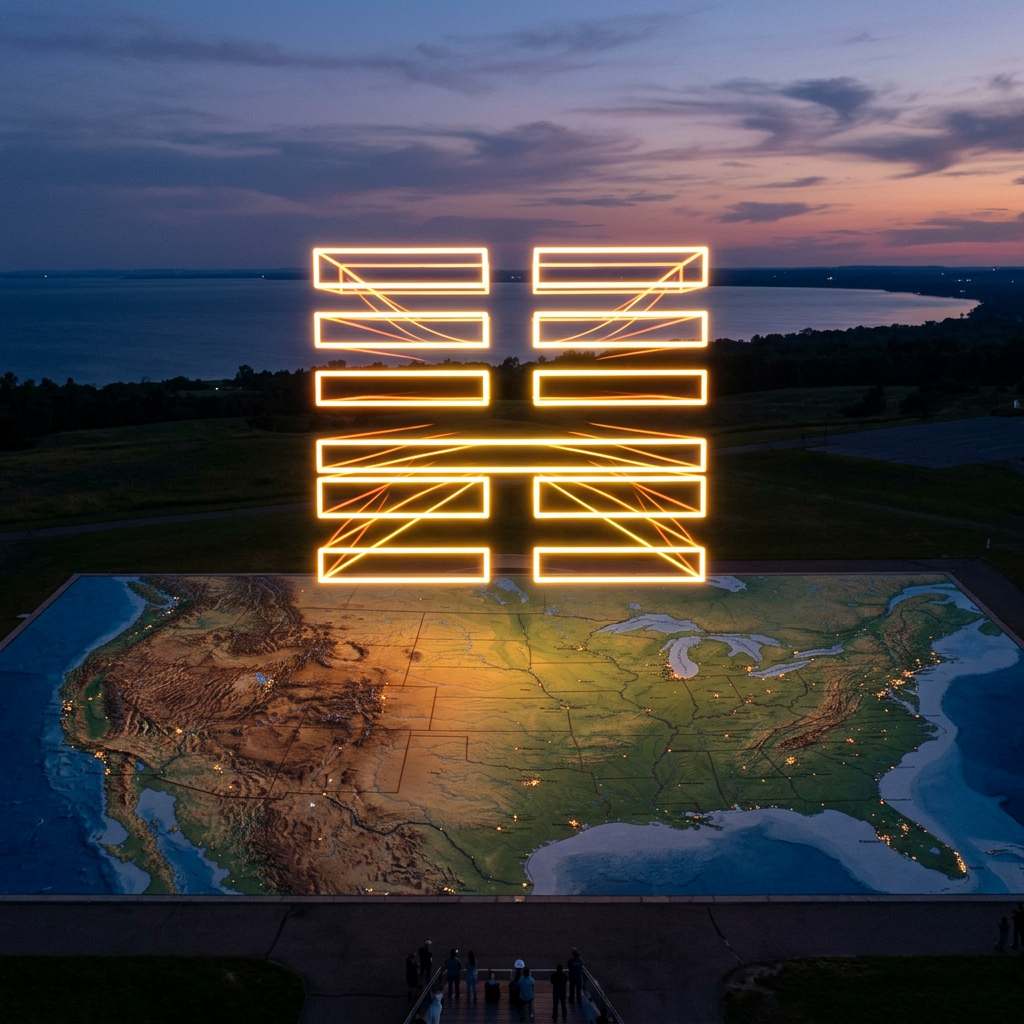
Primary Hexagram: Earth over Lake (Lin / Approach)
Changing To:
Thunder over Lake (Gui Mei / The Marrying Maiden)
What Does “Approach” Mean?
Hexagram Lin is one of the most optimistic hexagrams in the Book of Changes.
Its symbolism is simple:
Good opportunities are approaching.
People gather.
Capital gathers.
Information gathers.
Possibilities gather.
It’s like seeing a long line outside a restaurant.
People may not know exactly why they are lining up.
They simply sense something valuable is there.
For China as a whole, this hexagram suggests:
Growth is not finished.
New opportunities are still emerging.
But Then Things Get Interesting…
The changing hexagram is Gui Mei (The Marrying Maiden).
This hexagram carries a warning.
In modern language, it says:
“Don’t marry just because you’re excited.”
Or more broadly:
“Don’t rush into something because it looks glamorous.”
In terms of city selection:
The flashiest city is not necessarily the best choice.
The city with the tallest skyscrapers may not offer the best quality of life.
And sometimes the city with the most opportunities also comes with the most expensive lessons.
The Meihua Yishu Ranking
#1 Hangzhou
The clear winner.
Technology.
Artificial Intelligence.
E-commerce.
Culture.
Natural beauty.
Balance.
Everything aligns remarkably well.
If Chinese cities were students, Hangzhou would be:
The top student who is also liked by everyone.
Not an easy combination.
#2 Shenzhen
China’s Silicon Valley.
Perhaps the strongest city for wealth creation.
Innovation.
Technology.
Entrepreneurship.
However, competition is fierce.
This is the city for people who enjoy high risk and high reward.
Success can be enormous.
Failure can also be educational… and expensive.
#3 Chengdu
A fascinating result.
Comfortable living.
Excellent food.
Strong cultural identity.
Creative atmosphere.
Spiritual seekers, writers, artists, and people looking for a slower pace may find Chengdu surprisingly attractive.
Personally, if I ever entered a period of retreat and contemplation, Chengdu would be very tempting.
#4 Suzhou
Quietly prosperous.
Elegant.
Disciplined.
Reliable.
Suzhou feels less like a flashy billionaire and more like an old family with generations of accumulated wealth.
Not exciting.
But extremely solid.
#5 Nanjing
A city of education and scholarship.
Research.
Universities.
Medicine.
Science.
Intellectual pursuits.
For academics and professionals, Nanjing remains a strong candidate.
Why Isn’t Shanghai Number One?
Let’s be clear.
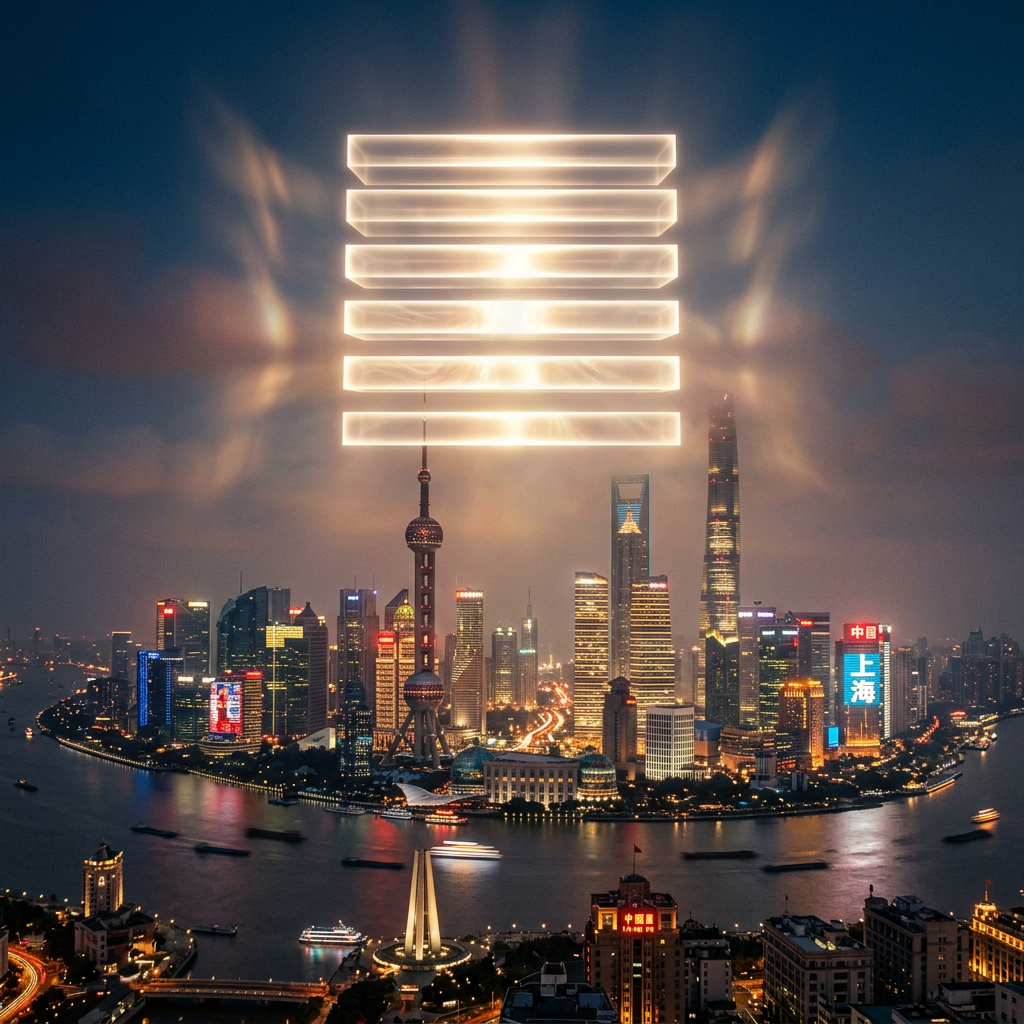
Shanghai is one of the world’s great cities.
Its economic power is undeniable.
Its global influence is enormous.
Yet the hexagram suggests something interesting:
“A great ocean can sometimes make a small boat disappear.”
Shanghai offers immense opportunities.
But it can also overwhelm newcomers.
For some people, moving directly to Shanghai is like starting a video game on the final boss level.
Possible?
Yes.
Easy?
Not exactly.
And What About Beijing?
Another surprise.
Beijing remains China’s political and administrative heart.
Its importance is unquestionable.
However, this reading focuses on:
Future growth potential.
In that category, Beijing appears more mature and established.
Cities such as Hangzhou and Shenzhen seem to possess greater momentum moving forward.
A Message to My Chinese Readers
Some readers may already be thinking:
“My city didn’t make the list!”
Don’t worry.
As someone who has occasionally blamed horses after losing a bet on a horse race, I completely understand.
But divination doesn’t operate according to personal preferences.
It reflects the energetic conditions of a particular moment.
Ask again in five years and the ranking may look entirely different.
Final Thoughts
If I had to summarize this entire reading in one sentence, it would be:
“Many Chinese cities have bright futures ahead, but don’t choose solely based on glamour and reputation.”
China remains a civilization in motion.
Its story is still being written.
And according to this particular reading, the city standing closest to the next great wave of opportunity is:
Hangzhou
Will this prediction prove correct ten years from now?
Only time will tell.
But the hexagram quietly whispers:
“The winds of the next era have already begun to blow.”